


















The modern landscape of the cosmetic industry is undergoing a profound transformation where the container is no longer merely a decorative vessel but a critical component of the product’s efficacy. Among the most significant advancements in this field is the widespread adoption of airless packaging, a technology that has redefined how consumers interact with their favorite creams, serums, and lotions. For many years, the primary challenge for chemists and brand owners was the rapid degradation of active ingredients when exposed to the atmosphere. Conventional jars and pump bottles often allowed air to seep back into the container after every use, initiating a process of oxidation that could render expensive anti-aging peptides or volatile Vitamin C derivatives useless within weeks. The introduction of airless systems has effectively solved this dilemma by creating a hermetically sealed environment that isolates the formulation from external stressors.
The Engineering Behind the Vacuum Mechanism
To understand the superiority of airless packaging, one must delve into the mechanical precision that makes it function. Unlike traditional pump systems that rely on a dip tube to pull the liquid upward, an airless system operates on a vacuum principle. As the user presses the actuator, a piston located at the base of the bottle moves upward, pushing the product toward the dispensing orifice. This movement creates a vacuum that draws the formula out without ever introducing air into the chamber. The lack of a dip tube also means that the system is not reliant on gravity, allowing the product to be dispensed from any angle, whether the bottle is held upright, sideways, or even upside down. This mechanical efficiency is particularly beneficial for high-viscosity formulas that might otherwise cling to the walls of a traditional container, leading to significant product waste.
Preserving Active Ingredients Through Atmospheric Isolation
The most compelling argument for the use of airless packaging is its ability to maintain the integrity of sensitive actives. Many of the most sought-after ingredients in the premium beauty market, such as retinol, probiotic lysates, and various botanical extracts, are inherently unstable. When these molecules encounter oxygen, light, or moisture, their molecular structure begins to break down, often resulting in a change in color, odor, or, more importantly, a loss of therapeutic benefits. By utilizing an airless environment, brands can significantly extend the shelf life of their products without the need for high concentrations of synthetic preservatives. This has paved the way for the “clean beauty” movement, as it allows for the creation of formulations with fewer chemical additives that might otherwise irritate sensitive skin. The stability provided by these systems ensures that the consumer receives the same level of potency on the final application as they did on the first.
Precision Dosing and User Experience in Premium Beauty
Beyond the chemical benefits, airless packaging offers a level of precision in dosing that is essential for many therapeutic skincare regimens. In a market where products can cost hundreds of dollars per ounce, the ability to dispense an exact, repeatable amount of product is a significant value proposition. The calibrated actuators used in these systems are designed to deliver a specific volume with every pump, preventing over-application and ensuring that the product lasts for the intended duration of the treatment. Furthermore, the user experience is enhanced by the smooth, effortless delivery of the formula. Because the piston clears the walls of the container as it moves upward, the evacuation rate is often as high as 95% to 99%. This eliminates the frustration of having to scrape the bottom of a jar or cut open a tube to access the remaining product, reinforcing the brand’s commitment to quality and consumer satisfaction.
Structural Integrity and Aesthetic Flexibility
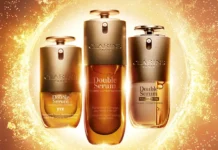
The physical design of airless containers has also evolved to meet the aesthetic demands of the luxury market. While the internal mechanism is a feat of engineering, the external casing can be crafted from a variety of materials, including high-grade plastics, glass, and even metal. The dual-chamber design often used in airless bottles allows for a “bottle-within-a-bottle” look, where the inner pouch or piston chamber is protected by a secondary outer shell. This not only adds a layer of physical durability but also provides a canvas for sophisticated branding techniques such as silk-screening, hot stamping, or vacuum metallization. The versatility of the design ensures that the packaging can reflect the premium nature of the contents within, creating a cohesive brand identity that resonates with the discerning consumer.
Environmental Considerations and the Path to Sustainability
As the industry moves toward a more sustainable future, the role of airless packaging is being re-evaluated through the lens of environmental impact. Historically, the multi-material nature of these pumps made them difficult to recycle. However, recent innovations have led to the development of mono-material airless systems, where every component from the actuator to the piston is made from a single type of plastic, such as polypropylene. These 100% recyclable systems are a major step forward in reducing the plastic waste associated with the beauty industry. Additionally, the move toward refillable airless systems is gaining momentum. In these models, the outer casing is kept as a permanent accessory, while the inner product cartridge is replaced once empty. This “circular” approach significantly reduces the carbon footprint of the packaging while maintaining the high-performance standards that airless technology provides.
Enhancing Stability and Preventing Contamination
The hygienic advantages of airless systems cannot be overstated. In traditional jars, consumers are often required to dip their fingers directly into the product, which introduces bacteria, oils, and other contaminants into the formulation. Even with the use of spatulas, the risk of cross-contamination remains high. Airless packaging removes this variable entirely. Since the product is never exposed to the environment or to the user’s touch until it is dispensed, the risk of microbial growth is virtually eliminated. This is especially critical for dermatological products used on compromised skin barriers or for post-procedure care, where sterility is of the utmost importance. The combination of atmospheric isolation and a non-contact dispensing method creates a fortress around the formulation, ensuring that it remains as pure and effective as the day it was manufactured.
The Economic Impact of Reduced Preservative Use
While the initial cost of airless packaging may be higher than that of a standard pump or jar, the long-term economic benefits are significant for both the manufacturer and the consumer. For the manufacturer, the ability to use fewer or more natural preservatives can simplify the formulation process and appeal to a broader demographic of health-conscious buyers. It also reduces the likelihood of product recalls due to oxidation or spoilage, protecting the brand’s reputation. For the consumer, the value is found in the longevity and efficacy of the product. Knowing that the serum will remain potent for the duration of its use justifies the premium price point often associated with airless technology. In a competitive market, these factors contribute to higher customer loyalty and repeat purchases, as the results delivered by a stable, high-potency product are far more noticeable.
Future Trends in Cosmetic Dispensing Technology
Packaging World Insights observes that the integration of smart technology into airless systems is the next frontier. We are already seeing the emergence of packaging that can track usage through NFC tags or QR codes, providing consumers with reminders on when to reorder or how to optimize their application. There is also ongoing research into bio-based materials for airless components, aiming to move away from petroleum-based plastics entirely. As formulations become more complex, involving living cultures or highly unstable natural oils, the demand for even more advanced airless solutions will continue to grow. The marriage of engineering and biology will likely yield systems that can regulate temperature or provide even more sophisticated barriers against the elements. The journey of airless packaging is far from over it remains a dynamic field of innovation that continues to set the standard for how we protect and deliver beauty.