










Key Takeaways :
- Digital printing in short run packaging is fundamentally disrupting the traditional manufacturing model by removing the high upfront costs associated with printing plates and long setup times. This shift allows brands of all sizes to execute smaller, more frequent production runs that are precisely aligned with real-time market demand, effectively eliminating the burden of obsolete inventory and reducing financial risk for experimental product launches.
- The unprecedented level of print flexibility offered by digital technologies enables hyper-localized and personalized packaging design strategies that resonate deeply with modern consumers. By significantly reducing the packaging turnaround time, companies can respond to cultural trends, seasonal events, or promotional shifts in a matter of days, ensuring that their brand presence remains dynamic, relevant, and highly competitive in an ever-evolving retail landscape.
Digital Printing Impact on Short Run Packaging Demand
The industrial revolution of the 21st century is not just about automation; it is about the democratization of the production process. For decades, the packaging industry was governed by the economics of scale, where high-volume flexographic or lithographic runs were the only way to achieve cost efficiency. This traditional model, however, left small-to-medium enterprises and experimental brand projects in the shadows, burdened by high minimum order quantities and long lead times. Today, the digital printing impact on short run packaging demand has completely rewritten these rules. By eliminating the physical constraints of printing plates and the associated labor costs of setup, digital technology has unlocked a level of agility that is transforming how products reach the shelf and how consumers perceive brand value.
The Structural Shift Toward Short Run Packaging Agility
The primary catalyst for the rise of digital technology is the changing nature of consumer behavior. We no longer live in a “one size fits all” world; consumers demand variety, exclusivity, and speed. Digital printing in short run packaging meets this demand by allowing manufacturers to print exactly what is needed, when it is needed. This “on-demand” philosophy has profound implications for supply chain management. Brands are no longer forced to store thousands of pre-printed boxes in expensive warehouse space, risking obsolescence if a regulation changes or a logo is rebranded. Instead, the “death of inventory” has become a reality, allowing capital to be reinvested into product development rather than being tied up in physical storage.
Breaking the Barriers of Traditional Plate Costs
In the legacy world of analog printing, the creation of physical plates represented a significant capital investment. Every color and every design change required a new set of plates, making small variations prohibitively expensive. Digital printing impact on short run packaging demand has removed this financial barrier entirely. Since the image is transferred directly from a digital file to the substrate, the cost of the first unit is virtually identical to the cost of the thousandth. This level of print flexibility has empowered “micro-brands” to compete on equal footing with global conglomerates, utilizing high-end, customized packaging that was once a luxury reserved for the few.
The Economics of the “Zero Inventory” Model
Beyond the initial savings, the long-term economic benefits of digital print packaging are found in the reduction of waste. Traditional high-volume runs often resulted in “dumped” inventory—perfectly good packaging that had to be destroyed due to minor textual errors or promotional expiration. By utilizing short run packaging, companies can order in increments of hundreds rather than hundreds of thousands. This precision ensures that every cent spent on packaging is directly tied to a sold unit, improving the bottom line and significantly reducing the environmental footprint of the manufacturing process.
Accelerating Packaging Turnaround Time in a Real-Time World
In the modern retail environment, speed is a competitive weapon. Cultural trends can ignite on social media and fade within a week. Brands that can react to these moments have a massive advantage. Digital printing impact on short run packaging demand has reduced the packaging turnaround time from months to mere days. A marketing team can conceive a concept on Monday, approve a digital proof on Tuesday, and have physical products on shelves by Friday. This speed is not just about vanity; it is about seizing market share in an era where the first to market often captures the majority of the conversation.
Responding to Seasonal and Hyper-Local Trends
The ability to produce localized packaging is another profound impact of digital technology. Brands can now create customized packaging for specific cities, events, or even individual stores. For example, a beverage company can produce a short run of labels for a local music festival or a regional sporting event without the financial burden of a massive production run. This level of hyper-relevance builds a stronger emotional connection with the consumer, who feels that the brand is part of their specific community. Digital printing in short run packaging turns the container into a dynamic communication tool rather than a static piece of waste.
Streamlining the Prototyping and Testing Phase
Innovation requires trial and error, and digital printing provides the perfect playground for experimentation. Before committing to a major global launch, a brand can use digital print packaging to test five different designs in five different markets. By analyzing real-world sales data from these short runs, the brand can identify the winning design with absolute certainty. This data-driven approach to packaging design reduces the risk of expensive market failures and ensures that the final high-volume run is optimized for success. It is a process of iterative improvement that was simply impossible under the rigid structures of the analog era.
The Psychology of Customized Packaging and Consumer Engagement
At the heart of the digital printing impact on short run packaging demand is a fundamental shift in human psychology. We are wired to respond to things that feel personal. When a consumer sees a package that features their name, their city, or a design that aligns with their specific aesthetic, their level of engagement increases exponentially. Digital technology allows for “versioning,” where a single product line can feature dozens of different artistic designs. This creates a “treasure hunt” experience for the consumer, who may even collect different versions of the same product purely for the aesthetic appeal of the packaging.
Personalization at Scale: The New Marketing Frontier
We are moving into an era of one-to-one marketing, where the package is the final touchpoint of a personalized digital journey. Digital printing in short run packaging allows for the inclusion of unique QR codes, individualized discount codes, or even personal messages printed directly on the box. This turns the unboxing experience into a personalized event, which is then shared on social media, providing the brand with organic, high-trust marketing. The package is no longer just a protector of the product; it is a personalized medium for brand storytelling that bridges the gap between the digital and physical worlds.
Elevating the Unboxing Experience for E-commerce
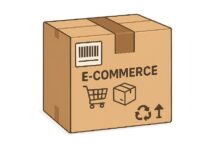
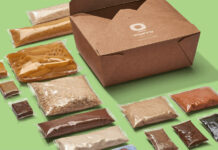
In the e-commerce sector, the unboxing moment is the only physical interaction a customer has with a brand. Digital printing impact on short run packaging demand has allowed e-tailers to move away from the generic brown box toward branded, immersive experiences. By utilizing customized packaging that is tailored to the specific contents of the order, brands can surprise and delight their customers. Whether it is a seasonal greeting or a “thank you” message that mentions the customer by name, these small digital details foster a level of loyalty that is incredibly difficult for competitors to break.
Technical Advancements Driving Digital Print Flexibility
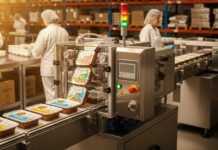
The rapid growth of digital printing in short run packaging is underpinned by significant technical breakthroughs in inkjet and toner technology. Modern digital presses can now handle a vast array of substrates, from corrugated board and folding cartons to flexible films and metallic foils. The ink quality has also seen a leap forward, with wide color gamuts that can accurately reproduce brand colors a historic pain point for digital systems. These advancements ensure that the short run packaging produced today is indistinguishable from, or in some cases superior to, traditional high-volume prints.
Integration with Smart Manufacturing and AI
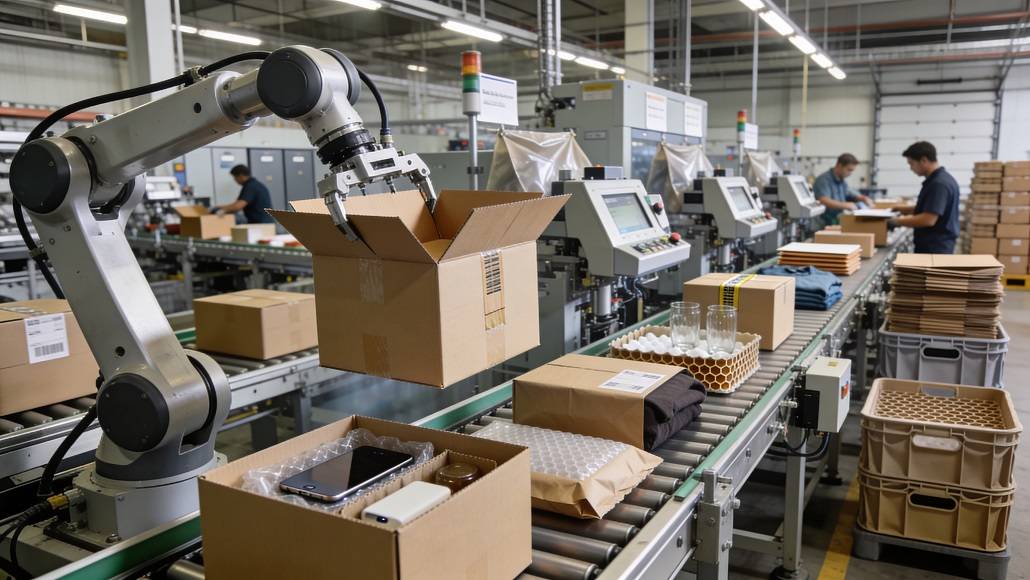
The future of digital print packaging lies in its integration with the broader “Smart Factory” ecosystem. AI-driven software can now analyze sales data and automatically trigger a short run print job when inventory levels drop, or a specific demographic shows a surge in interest. This level of automation ensures that the packaging turnaround time is minimized even further, creating a seamless loop between consumer demand and physical production. We are entering an era of “autonomous packaging,” where the digital printing impact on short run packaging demand is managed by intelligent systems that optimize for both cost and relevance in real-time.
Sustainability and the Circular Digital Economy
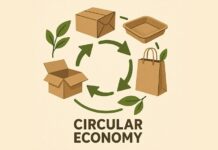
The environmental benefits of digital technology cannot be overstated. By reducing the chemical waste associated with plate making and the physical waste of overproduction, digital printing in short run packaging is a much cleaner process. Furthermore, many digital inks are now water-based or soy-based, making them more compatible with recycling processes. As brands look to meet their 2030 sustainability goals, the transition to digital systems is a clear and effective strategy. It allows for a more responsible way of doing business that values resource efficiency as much as it values profit.
A New Paradigm for Brand Differentiation
As we look toward the future, it is clear that the digital printing impact on short run packaging demand is not a temporary trend but a permanent shift in the industrial paradigm. The ability to be fast, flexible, and personal is the new standard of excellence in the packaging world. Brands that continue to rely solely on the rigid models of the past will find themselves increasingly disconnected from a consumer base that values agility and authenticity. By embracing digital printing in short run packaging, companies are doing more than just saving money on plates; they are building a more resilient, responsive, and human-centric brand identity that is ready for the challenges of the modern marketplace.