

























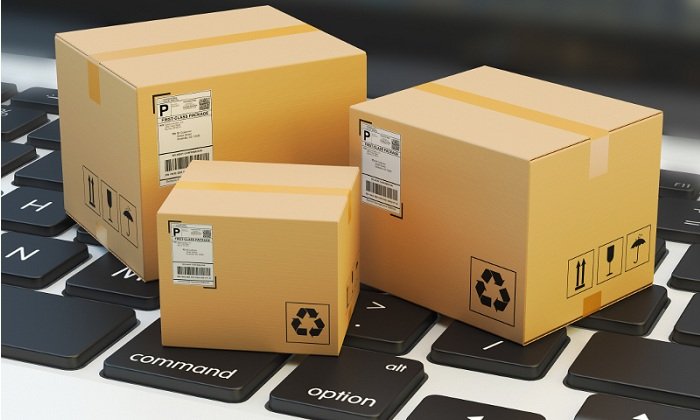

As businesses work to reduce the consequences of inflation, leading data and analytics company GlobalData recently revealed that digitization in the packaging industry could become more important than sustainability. According to a recent survey, supply chains must be digitalized if businesses are to deploy automation and maximise efficiency.
According to GlobalData, while sustainability has been a major focus for the packaging industry in recent years, digitalization may now overtake it as the primary force because supply chain efficiencies and pre-emptive cost savings are needed for businesses to survive the current inflationary pressures.
After experiencing a 1.0% fall in 2020 due to the pandemic, the global consumer packaging market rebounded to over 4.1 trillion package units in 2021. Future industry growth will depend on businesses’ ability to reduce the impact of inflation on the supply chain, which can necessitate a change in certain businesses’ strategic priorities in favour of digitalization.
According to a recent analysis published in Industry Intelligence, digitalization integrates a number of technologies, notably artificial intelligence (AI), 5G, the IoT, and augmented and virtual reality (AR/VR).
Sustainability has been at the top of many agendas, especially since regulatory pressures have compelled companies to focus on compliance, according to senior consumer analyst at GlobalData, Jenny Questier. The macroeconomic environment has changed, though, and firms can no longer afford to disregard the cost ramifications of growing energy and material prices.
90% of consumers worldwide said they are currently worried about how inflation would affect their household budget, based on its 2022 Q3 consumer survey, showing that this is an inevitable factor in purchase decisions. According to Questier, sustainability may now be seen as a luxury in terms of packaging, as both customers and consumers may be willing to make concessions in order to obtain the lowest feasible price points for goods.
Packaging firms will be under pressure from both rising supply-chain costs and customers’ declining purchasing power, so they will need to do everything they can to minimise costs in the middle, which will undoubtedly come through digitalization. In order to ensure that packaging companies can maximise efficiency and automation, supply chains must be digitalized. The use of these digital technologies all through the supply chain will be a major development in supply chain management over the coming ten years. For instance, supply and demand planning can benefit from using AI to more accurately predict spikes and troughs, which would improve inventory management, cost reductions, and supply chain efficiency. In order to maintain constant product availability, this will also facilitate the transition from just-in-time delivery to just-in-case delivery.
More digitalization in the manufacturing sector can boost output, save costs, and enhance security. Starting with a single business operation, like warehousing or front-end planning, is the simplest approach to digitalizing it. In the future, increased automation will help businesses effectively manage costs and supply while also enhancing resilience and lowering the danger of disruptions, according to the author’s conclusion.