










Key Takeaways:
- Custom packaging demand is fundamentally altering the competitive landscape by shifting the focus from mass-market utility to personalized packaging experiences that foster a deep emotional connection with the consumer. By utilizing advanced digital printing and variable data technology, brands can now offer unique, tailored designs that serve as a direct communication channel, effectively transforming a standard product into a curated experience that drives brand differentiation and long-term customer loyalty.
- The rise of design-driven consumer engagement strategies is turning the “unboxing” moment into a powerful marketing event that amplifies brand reach through social media virality. By investing in sophisticated custom packaging solutions and limited-edition releases, companies are leveraging the power of exclusivity and visual storytelling to capture consumer attention, ensuring that their packaging design strategy is not just about protection, but about creating shareable, memorable brand touchpoints.
Custom Packaging Demand Reshaping Brand Differentiation
In an era where consumers are bombarded with thousands of marketing messages every day, the ability of a brand to stand out has become a matter of survival. The traditional strategies of mass advertising and generic pricing are no longer enough to capture the attention of a savvy and digitally connected audience. Instead, we are seeing a profound shift toward the “personal” and the “unique.” This evolution is most visible in the surge of custom packaging demand, which is fundamentally reshaping how companies approach brand differentiation. The box, bottle, or pouch is no longer just a vessel for a product; it has become a canvas for storytelling, a catalyst for emotional connection, and a primary driver of consumer engagement in both the physical and digital realms.
The Emotional Connection: Why Personalization Matters
The psychology of consumption has moved beyond the simple fulfillment of needs toward the fulfillment of identity. Consumers today want to see themselves reflected in the brands they buy. This is the root cause of the growing custom packaging demand. When a customer receives a package that features their name, a message that speaks to their specific interests, or a design that aligns with their personal aesthetic, the product is transformed. Personalized packaging creates a sense of “belonging” and “recognition.” It tells the customer that they are not just a transaction in a database, but a valued individual. This emotional resonance is a key component of brand differentiation, creating a bond that is far more resilient to price fluctuations than any generic branding could ever be.
Personalized Packaging as a One-to-One Marketing Tool
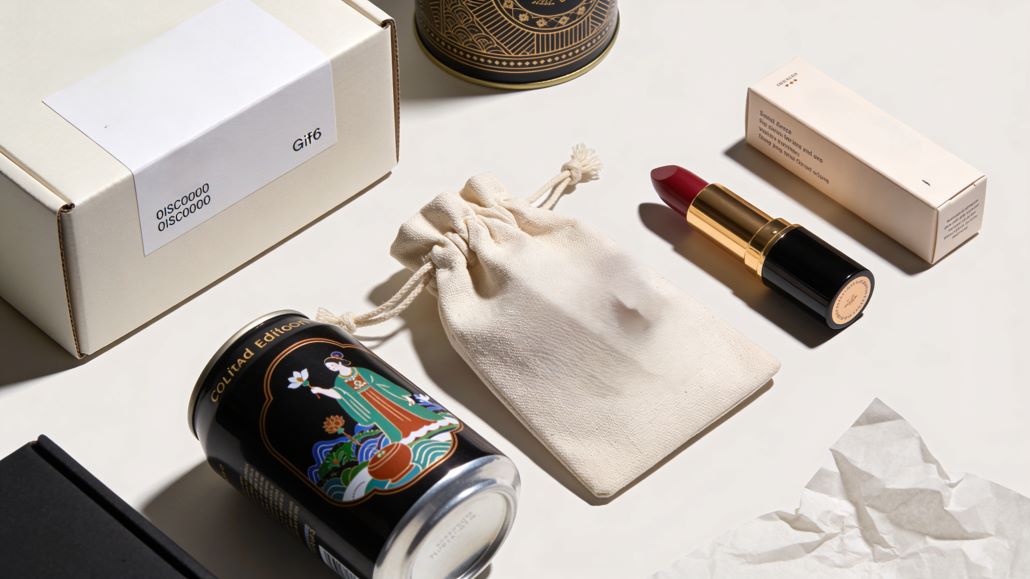
In the past, marketing was a one-to-many broadcast. Today, custom packaging demand has allowed for a one-to-one conversation. Through the use of advanced digital printing, brands can incorporate variable data directly into their packaging design strategy. This means that every single unit in a production run can be different. A health-food brand can print personalized nutritional tips on their cereal boxes based on the customer’s profile, or a cosmetic company can tailor the graphics on a lipstick tube to match the customer’s previous purchases. These personalized packaging efforts turn the box into a tailored service, adding a layer of value that consumers are increasingly willing to pay a premium for.
Utilizing Variable Data Printing for Individualized Experiences
The technical backbone of this personalization is the integration of CRM data with high-speed digital presses. This allows for a level of customization that was once thought impossible at scale. By leveraging custom packaging solutions that utilize variable data, brands can include unique discount codes, personalized “thank you” notes from the founder, or even location-based graphics that celebrate the customer’s hometown. This level of detail makes the consumer feel “seen” and “heard,” which is the ultimate goal of any modern packaging design strategy. It creates a “wow” factor that stays with the consumer long after the product has been used, driving repeat purchases and fostering a community of brand advocates.
Strategic Brand Differentiation in a Crowded Marketplace
The retail shelf is more crowded than it has ever been, and the e-commerce marketplace is even more saturated. In this environment, brand differentiation is not a luxury; it is a necessity. Custom packaging demand is driven by the need for products to “pop” in a visual landscape that is increasingly uniform. By moving away from standard templates and embracing bespoke structural and graphic designs, brands can carve out a unique space in the consumer’s mind. Whether it is a luxury brand using heavy-duty, embossed boxes to signal quality, or an eco-conscious brand using raw, unbleached fibers to signal transparency, the choice of custom packaging solutions is a powerful declaration of identity.
Custom Packaging Solutions for Artisanal and Boutique Brands
For small and medium-sized enterprises (SMEs), the ability to utilize custom packaging solutions is a game-changer. Historically, the high cost of custom molds and printing plates kept boutique brands locked into generic containers. However, the rise of digital manufacturing has lowered the barriers to entry, allowing artisanal makers to create packaging that rivals the quality of global conglomerates. This has led to a renaissance of “design-led” consumer goods, where the packaging is as considered and artisanal as the product itself. This focus on craftsmanship is a central pillar of brand differentiation, allowing small players to successfully compete with industry giants by offering a more authentic and humanized experience.
The Shift from Mass Production to Mass Customization
We are transitioning from the era of mass production to the era of mass customization. This shift is a direct response to the custom packaging demand for variety and exclusivity. Manufacturers are now investing in flexible production lines that can handle “runs of one” as efficiently as runs of thousands. This allows brands to offer “build-your-own” packaging options online, where the consumer can choose the colors, the patterns, and the text for their own specific order. This level of consumer engagement turns the shopper into a co-creator of the brand, leading to a level of psychological ownership that is a powerful deterrent to switching to a competitor.
Limited Editions and the Power of Exclusivity
The concept of exclusivity has always been a powerful motivator in luxury markets, but custom packaging demand has brought this strategy to the masses. Limited-edition packaging is a highly effective tool for creating urgency and buzz. By releasing a product in a unique, short-run design perhaps to celebrate a holiday, a collaboration with a local artist, or a cultural milestone brands can create a “collector’s item” mentality among their audience. This packaging design strategy taps into the human fear of missing out (FOMO) and drives rapid sales growth, while also providing a fresh narrative for the brand’s marketing channels.
Creating Collector’s Items Through Packaging Design Strategy
Some of the most successful brand differentiation stories of recent years have revolved around the package itself becoming the product. Consider a soda brand that releases cans featuring the jerseys of local sports teams, or a beauty brand that collaborates with a high-end illustrator for a seasonal gift box. These custom packaging solutions are often kept by the consumer long after the product is gone, serving as a permanent advertisement for the brand in the consumer’s home. By treating the package as a collectible, brands can elevate their status from a simple commodity to a cultural icon, ensuring that their name remains at the forefront of the consumer’s lifestyle.
Leveraging Cultural Moments and Influencer Collaborations
In the age of social media, custom packaging demand is often tied to the “zeitgeist.” Brands that can quickly produce custom runs for a viral meme, a popular Netflix show, or a major social movement can capture the public imagination in a way that traditional campaigns cannot. Furthermore, collaborations with influencers often center on the creation of a “signature” box or container. This packaging design strategy leverages the influencer’s personal brand to build trust and excitement with their specific audience. The result is a highly targeted and highly effective form of consumer engagement that drives both immediate sales and long-term brand equity.
Design-Driven Consumer Engagement and the “Unboxing” Ritual
The final, and perhaps most significant, impact of custom packaging demand is the transformation of the delivery process into a ritual. In the world of e-commerce, the “unboxing” moment is the first physical touchpoint a customer has with a brand. A well-designed, custom package turns this from a mundane chore into a moment of theater. The sounds of the tissue paper, the scent of the box, and the visual surprise of the interior graphics all work together to create a multi-sensory brand experience. This focus on design-driven consumer engagement ensures that the customer feels a sense of reward for their purchase, reinforcing their decision and paving the way for a long-term relationship.
Social Media and the Virality of High-Impact Design
In the modern world, if it wasn’t shared on social media, did it even happen? High-impact custom packaging solutions are designed with the camera in mind. Brands are now creating “Instagrammable” boxes that are specifically engineered to look good in an unboxing video. When a customer shares their personalized packaging with their followers, they are providing the brand with a level of peer-to-peer endorsement that money cannot buy. This organic reach is the ultimate goal of a successful packaging design strategy, turning every customer into a micro-influencer and every box into a viral marketing tool. By embracing custom packaging demand, brands are ensuring that their message travels far beyond the initial recipient, reaching a global audience through the power of authentic, consumer-driven storytelling.
Conclusion: The New Standard of Brand Excellence
As we look toward the future, it is clear that the demand for customization is not a passing trend but a fundamental shift in the relationship between brands and consumers. The companies that will thrive in the next decade are those that can master the balance between mass-market efficiency and personalized packaging. By embracing the power of custom packaging demand, brands are doing more than just changing their appearance; they are reimagining their role in the consumer’s life. The package of the future is a personal, exclusive, and design-driven ambassador for the brand, ensuring that in a world of endless choices, the brand remains the only choice that truly matters to the individual.