












Today’s data — Deadlines to address climate change have forced different industries to assess their work habits and how sustainable they may or may not be. Packaging, one of the most pervasive elements of product distribution, is now leading the way in these efforts. One of the available materials, polyethylene terephthalate, or PET, could be a game changer compared to traditional materials thanks to its low weight, recyclability, and lower-energy manufacture. How PET packaging produces enormous carbon footprints and how PET IS a cost-effective and practical option to go green.
In this post, we shall delve into the role of PET packaging and carbon footprint in limiting carbon footprints, exploring its favored properties: the science behind its environmental efficiencies, and its role in achieving global sustainability goals.
Contemplating the Carbon Footprint of Packaging
The carbon footprint of packaging is a measure of the greenhouse gas (GHG) emissions released throughout the lifecycle of packaging (the production for raw material extraction, manufacturing, transportation, usage and disposal). Historically, conventional materials like glass, aluminum, and heavyweight plastics have filled the packaging sector, at the expense of higher energy consumption during manufacturing processes and greater emissions throughout each f the lifecycle stages.
This is why PET has become the material of choice, thanks to its unique advantages. Lightweight, durable and recyclable, it can reduce emissions at each stage of its lifecycle. Research shows PET creates a lower carbon footprint than its more traditional competitors such as glass and aluminum. Producing PET, for instance, requires less energy to produce; it is said that PET bottles emit up to 50% less than glass bottles, and around 60% less than aluminum cans for an equivalent volume of liquid.
Nature of Being Lightweight is a Game-Change
A lightweight nature is probably the most essential attribute of PET packaging and carbon footprint reducer. PET bottles and containers weigh much less than glass or metal counterparts, meaning immediate energy savings in production and transport. Less weight also means less fossil fuel is burned in transport — and the difference is substantial when it comes to cutting greenhouse gas emissions.
For instance, the beverage industry has reformed significantly with the transition to PET bottles. A 1-liter PET bottle is about 30 grams vs. a comparable glass bottle at up to 500 grams. This extreme gap in weight lowers transport energy use, enhancing supply chain efficiency. Integrating variables of one year’s production at the last stage showed that: Switching glass from the PET bottles would save over 15,000 kilograms of CO2 emissions in one logistic cycle for over 10,000 bottles in a study conducted by Franklin Associates.
Efficiency and Energy Savings in Production
Moreover, the production of PET itself is another aspect that plays a much more significant role in contributing to its environmental advantage. In fact, PET manufacturing utilizes one-third less energy than aluminum and requires significantly less raw materials. According to research, 50% less total energy is needed to produce PET compared to glass. In addition, resin technology has continued to progress, allowing improved energy efficiency for PET production so that manufacturers are now able to further optimize the weight vs. functionality of the PET, using less material but maintaining strength and functionality.
Another type, recycled PET (or rPET), takes the sustainability to another level. The energy required to recycle PET is only one-tenth that needed to produce virgin PET. Each ton of rPET used avoids the emission of around 1.5 tons of CO2. Thus, it makes rPET in packaging not just a practical selection but an environmentally crucial one. The likes of Coca-Cola and Nestlé already, and building rPET into their bottles, beating a path for a circular economy.
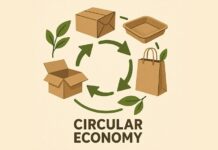
Expanded Role in Recycling and the Circular Economy
PET’s recyclability is a key part of its contribution to reducing its carbon footprint. PET is one of the few plastics capable of being recycled enough times to prevent a significant loss of quality. This process keeps tons of waste out of landfills or the ocean, where it would produce methane and other harmful emissions.
Around 60% of PET bottles are collected for recycling globally, while deposit return schemes enable Germany and Norway to achieve collection rates over 90%. Besides being used for new bottles, recycled PET is often used in textiles, automotive parts, and consumer goods, prolonging the life cycle of the material and decreasing the amount of virgin plastic needed to be produced.
Unilever’s collaboration with communities to retrieve PET waste is a great example of how PET can expand a circular economy. This initiative has helped recycle more than 100,000 metric tons of PET every year, lowering the carbon footprint of its packaging portfolio by almost 20%.
Industry Applications and Real-World Impact
PeT packaging is replacing other types of packaging predominantly in food and beverages, personal care, and pharmaceutical sectors. As an example, in the beverage sector, over 60% of all boxed water is in PET. This change has resulted in a significant reduction in the industry’s carbon footprint since producing, transporting, and recycling PET bottles takes far less energy than glass or aluminum bottles.
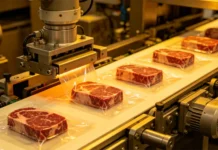
In terms of food, things like packaging for fresh produce items and grab-and-go meals are commonly packaged in PET trays. It even keeps the food fresh for a longer period, as a result, minimizing food waste, leading to a lower overall carbon footprint.
The pharmaceutical sector has adopted PET also, due to its lightweight and protective properties. PET syrup bottles and tablet containers help reduce transportation emissions without compromising the integrity of the product.
Addressing Consumer Perceptions
While there are advantages to PET, it faces challenges in consumer perception, primarily because of plastic waste. But it is important to realize that not all plastics are the same. PET holders a distinction as a highly recyclable plastic, and properly disposing of PET is critical to realizing its environmental benefits. Because reclaimed PET can be recycled indefinitely, educational campaigns and labeling initiatives are paramount for influencing consumers to recycle responsibly, by ensuring that PET products are recycled and restored in the supply chain instead of being added to the pollution.
Road Ahead for PET Packaging Innovations
As new technologies arrive, PET packaging and carbon footprint will continue to play an important role in reducing carbon footprints. PET made with bio-based feedstocks such as sugarcane is in development to further reduce the environmental footprint of the material. PET made from BioSource could decrease CO2 emissions by a further 20-30% and maintain properties the same as the material produced from fossils.
In addition, AI-led manufacturing processes are being embraced to enhance production efficiency and reduce waste. This type of smart recycling system is also being implemented further up the supply chain, which would improve the quality and quantity of the rPET produced and guarantee an adequate supply of recycled material for operating manufacturers.
Conclusion
The development of PET packaging for the beverage industry is a prime example of how innovation in materials science—and, by extension, corporate responsibility—can change the game for businesses that prioritize functionality and economic viability without sacrificing their impact on the planet. Lightweight, energy-efficient to produce, recyclable and part of the circular economy, PET packaging is about as comprehensive a solution as one can get to the climate issues facing the packaging industry.
Global organizations are focusing on sustainability and the use of PET and rPET will be paramount in achieving carbon reduction initiatives. Not just as a convenience for consumers and businesses, but as a consideration for policymakers dealing with plastic waste — PET packaging and carbon footprint is an active participant in shaping a greener, sustainable future for all. The use of PET will allow us to obtain all of these things with minimal environmental impact.