












The world of packaging has experienced a remarkable evolution over time, and several innovations are progressively changing the industry. One of these breakthroughs is lightweight PET packaging, which has become an important trend for manufacturers, businesses, and consumers. Not only does that tackle the increasing focus on sustainability, but it also leads to cost savings throughout the supply chain. In a time when sustainability and cost-effectiveness seemingly collide, lightweight PET packaging bridges the chasm by providing both.
By understanding the evolution of lightweight PET packaging, the reasons for its rapid adoption, and the various advantages it provides, the industry can better appreciate the innovative potential and impact of this lightweight material. Here’s an article that takes a closer look at these details, explaining how clever technology and design rewrites the rules around packaging while still keeping it sustainable and cost-effective.
A Leap Forward in Packaging
PET — short for polyethylene terephthalate — has been a workhorse in the packaging industry for decades. Widely recognized for its versatility, durability and recyclability, PET is used extensively in food and beverage containers, pharmaceutical and personal care products. The bottle and container designs for PET packaging has historically been relatively heavier. But with the evolution of manufacturing practices and consumer preferences, manufacturers are out there creatively making lightweight PET packaging without sacrificing strength or functionality.
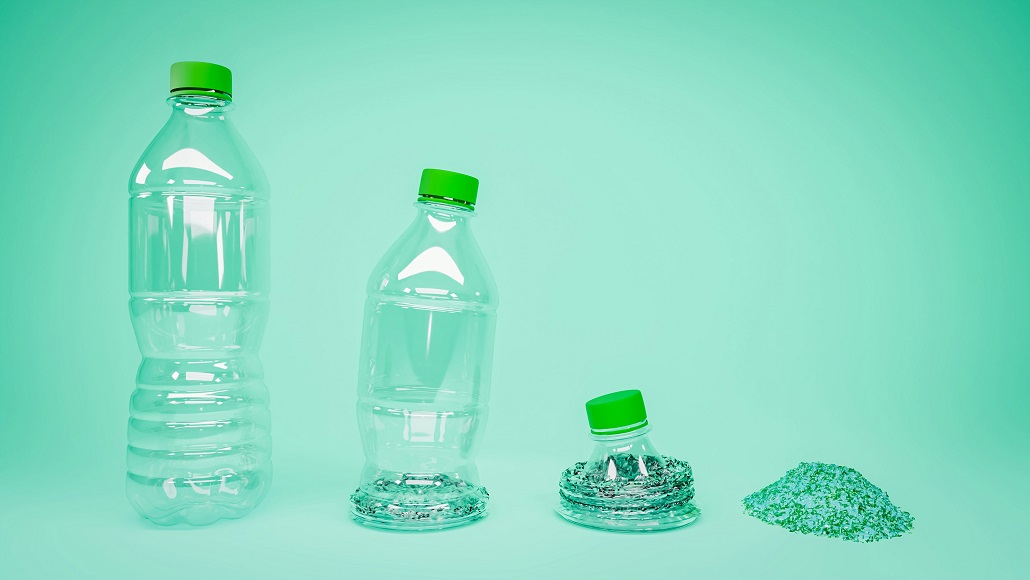
Lightweighting in PET packaging refers to reducing the material’s density and thickness while retaining the structural integrity of the container. Through modern computer-aided design, state-of-the-art molding technologies and high-performing materials, this process is achieved. What sets lightweight PET packaging apart is its capacity to provide economic and environmental gains without compromising on the quality or utility of the product itself.
Factors Contributing to it Lightweight PET Packaging
There are multiple reasons behind the growing popularity of lightweight PET packaging. First and foremost, there is increasing pressure from consumers for sustainable and environmentally friendly packaging alternatives. As the global awareness of climate change, plastic waste and the impact of their production grows, enterprises have no alternative but to adopt materials and designs that reduce their impact on the ecology. Lightweight PET packaging can certainly help meet these demands, as it reduces the amount of material needed and, thus, the carbon footprint of production and transport.
At the same time, cost is an important factor. Manufacturers and brands of PET processing recognize the economic benefit of lightweight designs. To start, this reduces production costs by minimizing raw material use. Moreover, the reduced weight of these packages results in lower transportation expenses, especially in sectors where shipping logistics add significantly to operational costs.
Another major driver is the changing regulatory environment. Global packaging waste, and the need to encourage well-structured recycling efforts have led to initiatives by governments and regulatory bodies increasingly demanding stricter packaging limits. Lightweight PET packaging complements these directives, consuming fewer resources and enhancing recyclability.
Optimisation of the Material as a Key Innovation
The success of lightweight PET packaging is in large part the result of novel optimization methods that are aimed at improving the efficiency of the materials used. For example, molecular engineering can lead to denser and stronger PET material that is thinner. As resin formulations advance, manufacturers can create containers with an ever-better strength-to-weight ratio, resulting in lightweight yet ultra-strong packaging.
Traditionally, many beverage companies have used heavy (and often non-recyclable) aluminum or heavy, non-recyclable plastic: Coca-Cola and Nestlé developed “ultra-lightweight” PET bottles, claiming that they weigh at least 30 percent less than traditional designs. An average 500ml PET bottle once weighed ~23g but it is now possible to manufacture a bottle where the weight is at 15-16g, representing a reduction of up to 30%. These new innovations demonstrate how material science innovation can help drive rapid acceptance across sectors of lightweight PET.
Molding The Future of Manufacturing Technology
We have also seen the lightweight PET packaging revolution driven by cutting-edge manufacturing technology. For instance, molding technologies, such as injection stretch blow molding (ISBM), enable manufacturers to produce designs with a tighter fit and thinner-walled bottles. State of the art software modeling, high throughput robotic systems, freedom and automation guarantee that every single bottle or container meets strict quality requirements, and uses the minimum necessary material.
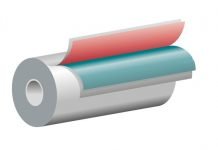
The demand goes for multi-layer PET packaging as well, a Feather-like layer of barrier protection. These layers allow the lightweight PET containers to retain excellent barrier properties against moisture, oxygen and UV light, which means they can still be used for sensitive products such as juices, dairy and oils.
Real-World Applications
In the beverage sector, lightweight PET packaging stands out as a revolution. Coca-Cola, for example, has launched lighter bottles in several markets, saving thousands of tons of plastic each year. Likewise, PepsiCo has optimized its packaging process to reduce material and logistics costs.
Interestingly, the pharmaceutical industry has also started using lightweight PET packaging for syrup, tablet containers and medical devices as well. Reducing the weight improves shelf stability while still keeping safety standards set by regulators.
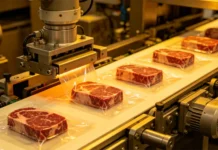
In addition, the food sector is using light-weight PET treys and clamshells for fresh produce and ready-to-eat meals. These designs also minimize material use and support longer shelf life of products after they have been made, transported and stored.
Cost Efficiency: A Two-Way Street
Lightweight PET packaging has dual cost-saving benefits. First, less material usage actually reduces producing costs. Conversely, the reduced packaging weight reduces the transport energy needed, resulting in tremendous savings in logistics costs. A supply chain study an example is a beverage bottle weighs less and uses 25% less energy to transport — and that reduces annual transportation energy costs by 15%, resulting in savings worth millions of dollars.
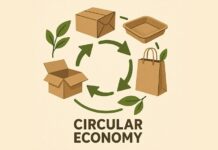
Additionally, the recyclability of PET adds to its economic attractiveness. Light PET packaging can be reused to make new containers or other products, including textiles and automotive parts. Recycled PET that comes from closed-loop recycling is much more streamlined for manufacturers to recover and reuse — creating a more circular economy long term with greater cost efficiency.
Challenges and Future Outlook
Though lightweight PET packaging provides clear benefits, there are still challenges. But one big problem is the danger of compromising product safety and customer experience if lightweighting goes too far. In particular, excessively thin walls may lead to package deformation or leakage in high-pressure environments. It will take design and material science innovation to meet these requirements while still providing functional, lightweight vehicle structures.
So, with this in mind, the future of lightweight PET packaging looks bright. 3D printing, artificial intelligence, and nanotechnology are still used to control manufacturers and their techniques. For example, AI-based predictive modeling is capable of modeling the behavior of lightweight PET packaging under different conditions to achieve the desired performance and optimal design and structure.
Conclusion
The lightweight PET packaging is a striking fusion of innovation, sustainability and cost efficiency. This trend is transforming the packaging sector whilst tackling key environmental and economic issues by revolutionizing material science and changing manufacturing methods. The advantages of lightweight PET packaging reach across the entire value chain from reduced production costs to lowered carbon footprints.
As businesses, consumers and policymakers demand sustainability, lightweight PET packaging will surely become an industry standard. Ultimately, its alignment with global environmental goals and cost-effectiveness makes this solution an unprecedented participant in the next generation of packaging. Whether it be for a beverage bottle, a pharmaceutical container, or a food tray, lightweight PET packaging is the solution to contemporary-day packaging obstacles.