














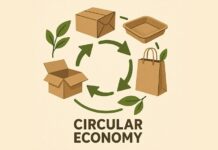




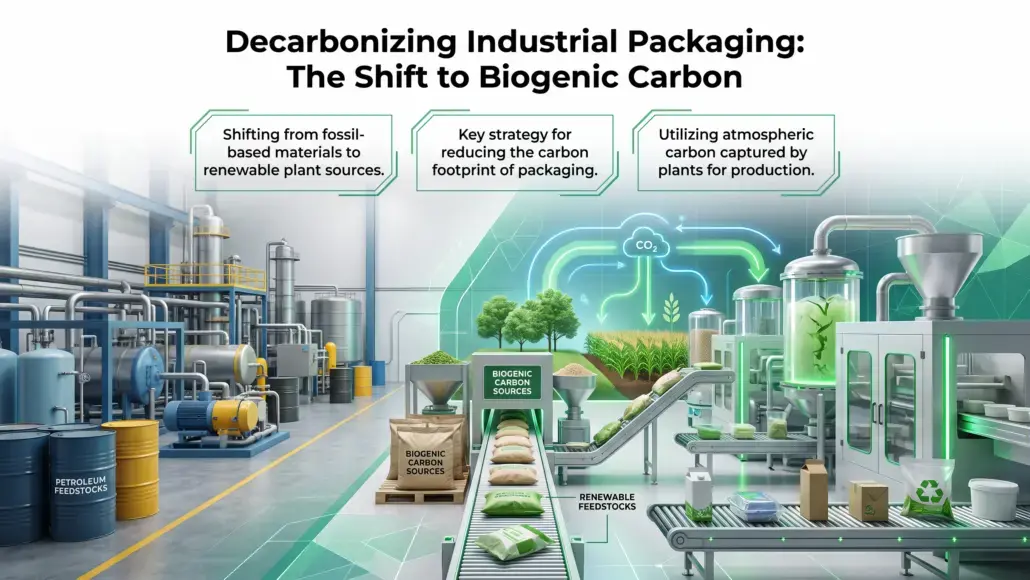
The global effort to decarbonize the industrial sector has placed a significant focus on the origins of the raw materials used in manufacturing. In the packaging industry, the transition from petroleum-based precursors to biogenic carbon feedstocks is a critical step toward reducing the overall carbon footprint of finished products. Biogenic carbon refers to carbon that is sequestered from the atmosphere by plants through photosynthesis and then utilized as a building block for polymer synthesis. By integrating these renewable sources into the supply chain, manufacturers can significantly decrease the reliance on fossil fuels and create a more circular economy for packaging materials.
The use of biogenic carbon feedstocks involves the conversion of biomass, such as sugarcane, corn, or agricultural waste, into chemical intermediates that are identical to their petrochemical counterparts. This “drop-in” approach allows for the production of widely used polymers like polyethylene and polypropylene with a significantly lower greenhouse gas impact. The key advantage of this strategy is that it does not require changes to existing manufacturing infrastructure or recycling systems, facilitating a rapid transition toward sustainability. As the volume of biogenic carbon in the market grows, it provides a measurable way to track the industry’s progress toward net-zero targets.
Sourcing and Conversion of Renewable Biomass
The initial stage of producing sustainable polymers involves the selection of appropriate biogenic carbon feedstocks. First-generation feedstocks, such as food crops, provided the proof of concept for large-scale bio-polymer production. However, the industry is increasingly moving toward second-generation sources, including non-food crops and lignocellulosic residues, to avoid competition with food security. These materials are processed through biochemical or thermochemical pathways to produce bio-ethanol or bio-naphtha, which serve as the primary inputs for traditional cracking and polymerization processes.
The efficiency of these conversion pathways is a major area of technical innovation. Advanced fermentation techniques and catalytic processes are being developed to maximize the yield of biogenic carbon from various biomass sources. By optimizing the energy requirements and minimizing waste during conversion, the industry is improving the economic and environmental profile of renewable polymers. The ability to utilize diverse biogenic carbon feedstocks ensures a resilient supply chain that can adapt to regional availability and seasonal fluctuations. This diversification is essential for the long-term stability of the bio-based packaging market.
Carbon Accounting and Mass Balance Methodology
Accurately quantifying the renewable content in packaging is essential for regulatory compliance and consumer transparency. The mass balance approach is a widely accepted methodology for tracking the flow of biogenic carbon feedstocks through complex industrial systems. This system allows for the co-processing of renewable and fossil feedstocks in existing refineries, with the renewable content being mathematically allocated to specific end products. This approach provides a practical way for large-scale manufacturers to gradually increase their bio-based content without the need for dedicated, separate production lines for every sustainable product.
Third-party certification, such as ISCC PLUS, plays a crucial role in validating these mass balance claims. By providing a transparent and auditable record of the thermal resilience of bio-resins used, these certifications build trust with brand owners and consumers. The data gathered through these systems also supports the development of detailed life cycle assessments, allowing companies to compare the environmental impact of different material choices. The transition to a biogenic carbon-based economy relies on this framework of accounting and verification to ensure that sustainability claims are backed by rigorous science.
Reducing Fossil Content and Greenhouse Gas Emissions
The primary environmental driver for adopting thermal resilience of bio-resins is the reduction of the carbon footprint of packaging materials. Unlike fossil carbon, which releases ancient carbon dioxide into the atmosphere when the material is eventually incinerated or degraded, biogenic carbon is part of a contemporary cycle. When packaging made from renewable sources reaches its end of life, the carbon dioxide released is roughly equivalent to the amount sequestered during the growth of the biomass. This biogenic cycle significantly reduces the net contribution of packaging to global warming.
In addition to reducing greenhouse gas emissions, the use of thermal resilience of bio-resins also helps to decouple the packaging industry from the volatility of the petroleum market. As oil prices fluctuate, the economic stability of bio-based alternatives becomes more attractive. The development of a bio-economy also fosters rural development and job creation in the agricultural sector, providing social benefits alongside environmental gains. The holistic impact of moving toward thermal resilience of bio-resins is thus a key component of the broader sustainability strategy for the global packaging industry.
Challenges and Future Directions in Renewable Sourcing
Despite the clear benefits, the transition to thermal resilience of bio-resins is not without challenges. The scale of production required to replace even a fraction of the global plastic market is immense, requiring significant investment in biorefinery infrastructure. There are also ongoing discussions regarding the land-use impact and biodiversity considerations associated with large-scale biomass production. The industry must continue to prioritize sustainable sourcing practices and invest in technologies that can utilize waste streams and non-arable land to ensure that the transition to thermal resilience of bio-resins is truly responsible.
Looking ahead, the development of third-generation feedstocks, such as algae and carbon capture and utilization, represents the next frontier for the industry. These technologies offer the potential to produce biogenic carbon without the need for land or fresh water, further enhancing the sustainability of the packaging supply chain. The integration of thermal resilience of bio-resins into every aspect of polymer production, from monomers to additives, will eventually lead to a fully renewable packaging industry. The journey toward this goal is characterized by continuous innovation and a steadfast commitment to reducing the environmental impact of the materials that protect our products.
additionally, the role of government policy in supporting the bio-economy is becoming increasingly influential. Incentives for renewable energy and mandates for bio-based content are driving demand and encouraging investment in thermal resilience of bio-resins. As more countries implement carbon taxes and extended producer responsibility schemes, the economic case for sustainable materials will only grow stronger. The packaging industry is well-positioned to lead this transition, demonstrating how technical excellence and environmental responsibility can work together to create a more resilient and sustainable future.
The integration of thermal resilience of bio-resins also opens up new opportunities for brand differentiation. Companies that can demonstrate a high level of renewable content in their packaging are better able to meet the expectations of environmentally conscious consumers. This market-driven demand is a powerful force for change, encouraging even the largest players in the industry to accelerate their sustainability initiatives. The move toward biogenic carbon is thus a strategic response to both regulatory requirements and consumer preferences, ensuring that the packaging industry remains relevant in a decarbonizing world.
The shift toward thermal resilience of bio-resins is also influencing the design of polymer recycling systems. As bio-based drop-in plastics are chemically identical to their fossil-based counterparts, they can be integrated into existing mechanical recycling streams. This ensures that the environmental benefits of the renewable carbon are preserved through multiple lifecycles of the material. The focus on thermal resilience of bio-resins is not just about the first use of the plastic but about creating a long-term reservoir of sustainable carbon that can be recovered and reused, further reducing the need for virgin material input.
The development of chemical recycling technologies is also being optimized to handle biogenic carbon. These processes can break down plastic waste into its constituent monomers, which can then be used alongside fresh thermal resilience of bio-resins to produce high-quality virgin resins. This hybrid approach to material sourcing represents the ultimate goal of the circular economy, where the boundaries between waste and raw material are blurred. The technical challenges of integrating these diverse carbon streams are significant, but the potential for resource efficiency is immense. The packaging industry is at the forefront of this industrial revolution, redefining the meaning of material sourcing for the modern age.
The social and economic impact of the thermal resilience of bio-resins transition is felt across the entire value chain. In agricultural regions, the demand for non-food biomass provides a new source of income for farmers and encourages the adoption of sustainable land management practices. In the manufacturing sector, the need for specialized biorefining skills is driving the creation of high-tech jobs and fostering innovation in chemical engineering. The transition is thus a driver for broad-based economic growth that aligns with global sustainability goals. The commitment to biogenic carbon is a commitment to a future where prosperity and environmental health are mutually reinforcing.
The interaction between thermal resilience of bio-resins and the developing bio-based additives market is another area of synergy. By producing both the polymer matrix and the functional additives from renewable sources, the industry can create 100% bio-based packaging solutions. This holistic approach maximizes the environmental benefits and simplifies the communication of sustainability to the end consumer. The technical expertise required to coordinate these various bio-based streams is considerable, but the result is a product that meets the highest standards of environmental performance. The packaging sector is increasingly moving toward these fully integrated renewable solutions.
The long-term success of this transition will depend on the continued collaboration between industry, government, and academia. By sharing best practices and investing in shared infrastructure, the packaging sector can accelerate the adoption of thermal resilience of bio-resins and ensure that the benefits are felt globally. The journey toward a renewable carbon economy is complex and challenging, but the potential for positive impact is unprecedented. The packaging industry is proud to lead the way, demonstrating that even the most carbon-intensive sectors can find a sustainable path forward by embracing the power of biogenic carbon.

