











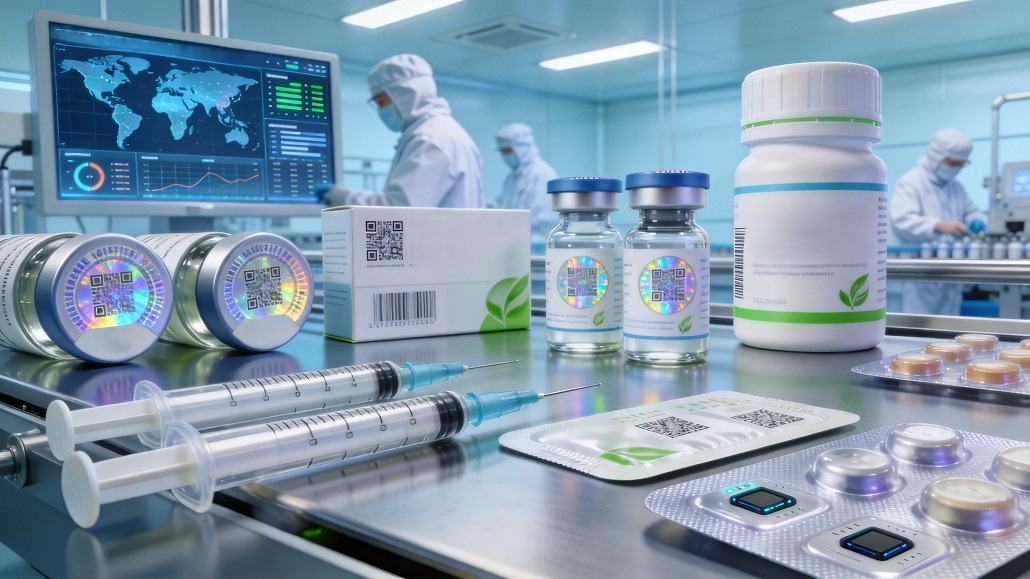

The pharmaceutical industry operates within a landscape of extreme precision, where the margin for error is nonexistent. Every tablet, vial, and pre-filled syringe represents a life-saving intervention that must be delivered to the patient in its most potent and sterile form. To meet these rigorous demands, the sector has seen a surge in pharma packaging innovations that go far beyond simple containment. These advancements are designed to address a multi-faceted array of safety concerns, including child resistance, senior-friendly access, anti-counterfeiting measures, and the maintenance of a sterile barrier. As the global healthcare environment becomes more complex, the role of the package as a functional extension of the medicine itself has never been more critical.
The Evolution of Security and Anti-Counterfeiting Measures
One of the most pressing safety challenges facing the global medical community is the rise of illicit and counterfeit drugs. These substandard products not only undermine the reputation of legitimate manufacturers but also pose a severe risk to public health. Recent pharma packaging innovations have focused heavily on integrating covert and overt security features that are nearly impossible to replicate. Micro-printing, color-shifting inks, and holographic seals provide immediate visual verification for healthcare professionals and patients. However, the true transformation lies in the digital realm, where the package becomes a trackable asset in a secure global network.
Serialization and the Digital Birth Certificate
The implementation of unit-level serialization is perhaps the most significant of all recent pharma packaging innovations. By assigning a unique, machine-readable code to every individual pack, manufacturers can create a permanent digital audit trail. This “digital birth certificate” allows for real-time verification of a product’s provenance as it moves through the supply chain. If a code is scanned and found to be a duplicate or unregistered, the system can immediately flag the product as suspicious. This level of transparency is essential for preventing the infiltration of the legitimate supply chain by criminal actors, ensuring that the medicine reaching the patient is exactly what the physician intended.
Tamper-Evident Technologies and Physical Integrity
Physical security remains a cornerstone of drug safety. The development of advanced tamper-evident seals and closures ensures that any attempt to access the medication before it reaches the final user is immediately visible. These pharma packaging innovations include heat-shrink bands, breakaway caps, and specialized adhesives that leave a “void” message if removed. For high-value biologics and sensitive injectable drugs, these features provide the peace of mind that the product has remained sterile and uncompromised since the moment it left the cleanroom environment. The focus is on creating a package that is “intuitively secure,” where the user can tell at a glance that the integrity of the medicine is intact.
Balancing Child Resistance with Senior Accessibility
A unique challenge in medical design is the need to create containers that are difficult for children to open but easy for elderly patients with limited dexterity or visual impairments. This “dual-audience” requirement has driven a wave of pharma packaging innovations focused on ergonomic engineering. Modern blister packs and pill bottles are designed with complex mechanical movements that require a level of cognitive and physical coordination that young children do not possess. Simultaneously, designers are incorporating larger text, high-contrast colors, and “soft-touch” surfaces that make the packaging more manageable for seniors.
Intelligent Dosing and Adherence Monitoring
Patient adherence the degree to which a person follows a prescribed medication schedule is a critical factor in healthcare outcomes. Poor adherence can lead to treatment failure and increased healthcare costs. To address this, pharma packaging innovations are now incorporating “smart” features that help patients manage their own care. Blister packs with integrated electronic sensors can record when a pill is pushed out, sending a reminder to the patient’s smartphone if a dose is missed. These “connected” packages provide valuable data to both the patient and their healthcare provider, turning the package into an active tool for improving therapeutic success.
Material Science and Contamination Control
The safety of a drug is also dependent on the chemical stability of its container. Many modern medications, particularly new biologics, are highly sensitive to moisture, oxygen, and light. Recent pharma packaging innovations in material science have led to the creation of high-barrier films and containers that provide unparalleled protection. Cyclic olefin copolymers (COC) and specialized glass coatings ensure that there is zero interaction between the medicine and its packaging, preventing leaching and ensuring a long shelf life. These advanced materials are essential for maintaining the purity of complex chemical formulations, protecting the efficacy of the drug from the factory to the pharmacy.
Meeting the Demands of a Global Regulatory Landscape
As healthcare becomes more regulated, pharma packaging innovations must keep pace with the changing legal requirements of different regions. From the FDA in the United States to the EMA in Europe, regulatory bodies are mandating higher standards for labeling, traceability, and environmental impact. Manufacturers are responding by adopting modular packaging systems that can be easily customized for different markets without the need for a total redesign. This flexibility ensures that products can be launched quickly and safely across the globe, meeting the specific safety needs of diverse patient populations.
Sustainable Safety: The Green Challenge in Pharma
The drive for sustainability is also beginning to influence the medical sector, although safety and efficacy always remain the primary goals. Innovators are looking for ways to reduce the environmental footprint of medical waste without compromising sterile barriers or product protection. These pharma packaging innovations include the use of recyclable mono-materials for secondary packaging and the development of more efficient manufacturing processes that minimize scrap. The challenge lies in proving that a “green” material can provide the same level of safety as traditional plastics, a process that requires rigorous testing and long-term stability studies.
Future Outlook: The Autonomous Package
Looking ahead, the future of the industry lies in the concept of the autonomous package. We are moving toward a world where the package can not only sense its environment but also communicate its status to the patient and the manufacturer. Imagine a vial that changes color if it has been exposed to unsafe temperatures, or a package that automatically orders its own refill when it is nearly empty. These future pharma packaging innovations will create a more responsive and patient-centric healthcare system, where technology is used to eliminate human error and ensure that every person receives the safest possible care.
Conclusion: Safety as the Foundation of Innovation
The rapid advancement of pharmaceutical packaging is a testament to the industry’s commitment to patient wellbeing. The various pharma packaging innovations we see today from digital serialization to intelligent adherence monitoring are all focused on a single goal: the delivery of safe and effective medicine. As technology continues to evolve, the package will play an even more prominent role in the therapeutic process, moving from a passive container to an active partner in patient care.
For manufacturers, staying at the forefront of these innovations is not just a matter of competitive advantage; it is a fundamental responsibility. In a world where healthcare challenges are constantly evolving, the “perfect package” is the one that provides absolute security while remaining accessible and sustainable. The commitment to safety is the foundation upon which all pharma packaging is built, ensuring that the fruits of medical research can be delivered safely to the people who need them most. The transformation of the industry is ongoing, and the innovations of tomorrow promise to make healthcare even safer, more efficient, and more patient-focused than ever before.