



















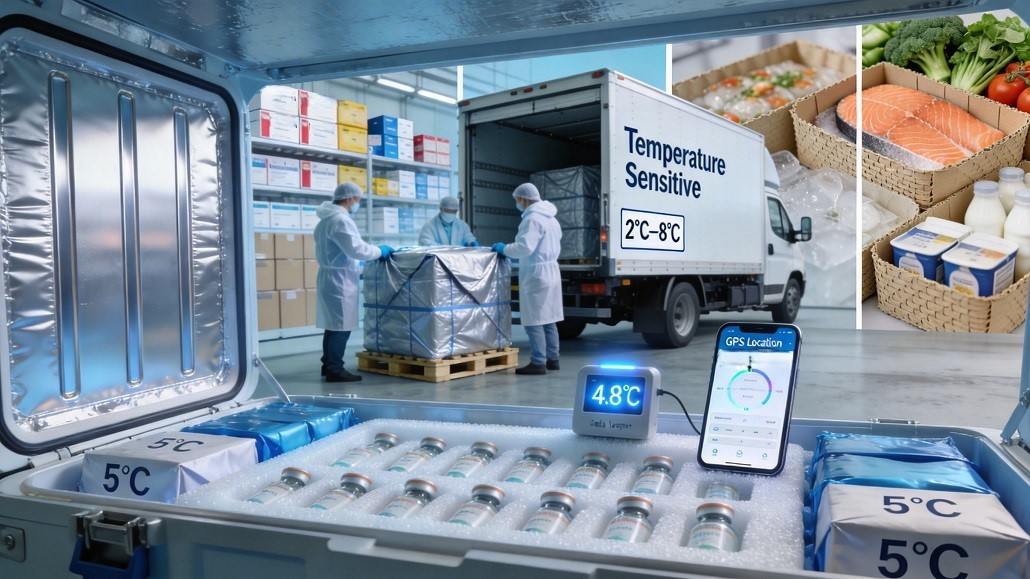

The global supply chain is currently facing an unprecedented demand for the safe and efficient transport of temperature-sensitive goods. From life-saving vaccines and biological medicines to premium perishable food items, the requirement for precise thermal management has never been more critical. The development of advanced cold chain packaging solutions is at the forefront of this industrial challenge, providing the necessary barrier between sensitive products and the volatile external environment. As global trade expands into regions with extreme climates and underdeveloped infrastructure, the reliability of these packaging systems becomes the deciding factor in whether a product arrives as a therapeutic asset or a hazardous waste item.
The Science of Thermal Protection
At the heart of any successful cold chain strategy is a deep understanding of thermodynamics and material science. Advanced cold chain packaging solutions are designed to maintain a specific temperature range often between 2°C and 8°C for extended periods, sometimes exceeding 120 hours. This is achieved through a combination of high-performance insulation materials and thermal energy storage components. Traditional expanded polystyrene (EPS) is increasingly being replaced by more efficient vacuum insulated panels (VIPs) and high-density polyurethane foams, which offer superior thermal resistance in a much thinner profile. This allows for a greater volume of product to be shipped in the same external footprint, optimizing logistics costs.
Integration of Phase Change Materials (PCMs)
One of the most significant breakthroughs in thermal management is the widespread adoption of Phase Change Materials (PCMs). Unlike traditional ice packs, which can freeze the product if they are too cold or fail quickly as they melt, PCMs can be engineered to change state at very specific temperatures. This allows cold chain packaging solutions to maintain a remarkably stable internal environment regardless of the external conditions. By selecting a PCM that melts at 5°C, for example, the package can absorb a significant amount of heat energy without the internal temperature rising above the safe threshold. This level of precision is essential for modern biologics, which are often highly sensitive to even minor thermal fluctuations.
Active vs. Passive Cooling Systems
The choice between active and passive systems is a fundamental decision in cold chain logistics. Passive systems rely entirely on insulation and pre-conditioned coolants to maintain temperature, making them ideal for smaller shipments and routes where electricity is not available. Active cold chain packaging solutions, on the other hand, utilize integrated mechanical refrigeration units or dry ice sublimation systems to actively control the internal climate. These systems are typically used for large-scale pallet shipments or for products that require extremely low temperatures, such as those needed for mRNA vaccines. The ability to monitor and adjust the temperature in real-time makes active systems the go-to choice for the most high-value and sensitive shipments.
Meeting the Rigorous Standards of the Pharmaceutical Sector
The pharmaceutical industry is the primary driver of innovation in the cold chain space. Regulatory bodies such as the FDA and EMA have established strict Good Distribution Practice (GDP) guidelines that mandate the continuous monitoring and documentation of temperature throughout the entire journey. Cold chain packaging solutions must therefore be “validated” tested under rigorous laboratory conditions to prove that they can perform as expected in the real world. This validation process involves simulating extreme heat and cold cycles to ensure that the product integrity is never compromised. For a pharmaceutical company, a single “excursion” outside of the approved temperature range can result in the loss of an entire shipment, making the investment in high-quality packaging a vital business necessity.
The Role of Real-Time Data and Connectivity
In the age of the Internet of Things (IoT), a cold chain package is no longer a “black box.” Modern cold chain packaging solutions are increasingly being equipped with integrated data loggers and GPS trackers that provide real-time visibility into the shipment’s status. Logistics managers can now receive alerts on their smartphones if a package is opened prematurely, if it experiences a significant impact, or if the temperature begins to drift toward a dangerous level. This connectivity allows for proactive intervention; if a shipment is delayed at a customs port, for example, the team can arrange for the package to be moved into a refrigerated warehouse before the thermal limits of the packaging are reached.
Traceability and Audit Readiness
The data generated by these smart sensors is not just for immediate operational use; it serves as a critical permanent record. In the event of a quality audit or a suspected product failure, having a complete, timestamped history of the product’s thermal environment is invaluable. This level of transparency builds trust between manufacturers, logistics providers, and healthcare professionals. Advanced cold chain packaging solutions that offer integrated reporting features simplify the compliance process, ensuring that all necessary documentation is readily available to prove that the product has been handled correctly at every stage of its journey.
Challenges in the Food and Beverage Cold Chain
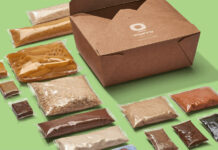
While pharmaceuticals require the highest level of precision, the food and beverage industry faces the challenge of maintaining temperature across much larger volumes and lower profit margins. The goal in food logistics is to prevent spoilage and ensure safety while keeping the cost of packaging as low as possible. Cold chain packaging solutions for food are often focused on the “last mile” delivery, where groceries must remain fresh on a doorstep for several hours. This has led to the development of innovative, sustainable insulation materials made from recycled paper, wool, or even cornstarch, which provide effective thermal protection for short durations while being fully compostable.
Reducing Waste Through Enhanced Reliability
The environmental impact of food waste is a major global concern, with a significant portion of perishables being lost due to poor cold chain management. By investing in more reliable cold chain packaging solutions, the food industry can drastically reduce this waste, improving both profitability and sustainability. High-performance insulated liners for shipping boxes, combined with improved gel pack technology, are allowing retailers to expand their reach and offer a wider variety of fresh products to consumers. As the “direct-to-consumer” food market continues to grow, the demand for affordable and effective thermal packaging will only increase.
Sustainability and the Move Toward Reusable Systems
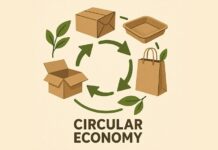
A major trend in both the pharma and food sectors is the transition from single-use to reusable cold chain packaging solutions. While a high-performance reusable container has a higher initial cost, its ability to be used for dozens or even hundreds of trips makes it much more cost-effective and environmentally friendly in the long run. These systems often include a comprehensive “reverse logistics” network where empty containers are collected, sanitized, and re-conditioned for their next use. This circular approach minimizes the amount of packaging waste sent to landfills and ensures that the highest level of thermal protection is available for every shipment.
Conclusion: Securing the Future of Global Health and Nutrition
The importance of advanced cold chain packaging cannot be overstated. It is the invisible infrastructure that allows the modern world to function, ensuring that the fruits of scientific innovation and agricultural labor can be shared safely across the globe. As we face new challenges, such as the need for ultra-cold storage for gene therapies or the pressures of global climate change, the field of thermal packaging will continue to evolve.
The continued investment in cold chain packaging solutions is an investment in human health and food security. By combining the latest in material science with the power of digital connectivity, the industry is creating a more resilient and transparent supply chain. For manufacturers and logistics providers, staying at the forefront of these technological advancements is not just a competitive advantage; it is a fundamental responsibility. In the delicate balance of the cold chain, there is no room for error, and the “perfect package” is the one that delivers on its promise of integrity, every single time.