
















Key Takeaways:
- Corrugated packaging innovations are revolutionizing the global logistics sector by balancing the competing needs for high packaging strength and lightweight materials. Through the development of advanced flute geometries and high-performance linerboards, modern transport packaging can now support heavier loads with less material, directly reducing shipping costs and minimizing the environmental impact of long-haul distribution.
- The evolution of logistics packaging is increasingly focused on optimizing stacking performance and warehouse space utilization to enhance overall transport efficiency. By utilizing data-driven design and structural reinforcement techniques, these innovations ensure that goods remain protected in high-density shipping environments, allowing for more units to be transported in a single trip while maintaining the integrity of the products inside.
Corrugated Packaging Innovations Supporting Global Logistics
The global economy moves on a tide of cardboard. While the digital world focuses on bits and bytes, the physical world depends on the humble yet highly engineered corrugated box. For over a century, corrugated fiberboard has been the standard for transport packaging, but the demands of the modern era characterized by e-commerce, globalized supply chains, and urgent sustainability goals have pushed this material to its limits. We are currently witnessing a renaissance in this field, where corrugated packaging innovations are transforming what was once a commodity into a high-performance logistics tool. These advancements are critical for a world that requires goods to be moved faster, safer, and with a significantly smaller carbon footprint than ever before.
The Engineering Behind Modern Corrugated Boxes
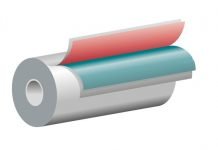
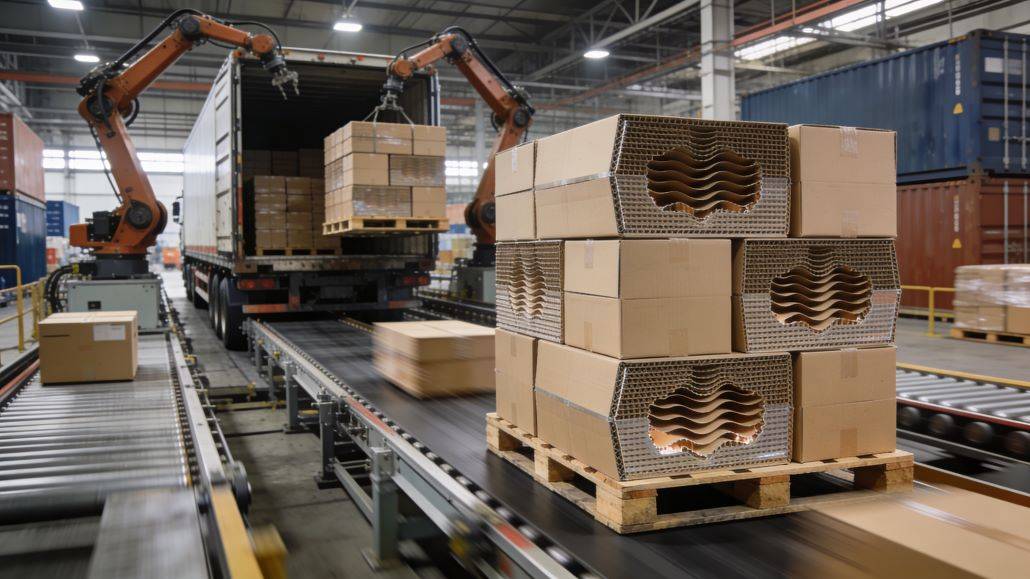
To understand the impact of recent corrugated packaging innovations, one must first appreciate the architectural brilliance of the material itself. Corrugated board is essentially a sandwich of two flat linerboards surrounding a wavy “fluted” medium. This structure mimics the arches used in bridge construction, providing incredible vertical compression strength while remaining remarkably light. However, the modern logistics environment is far more punishing than it was thirty years ago. Packages are now handled by robots, subjected to multiple trans-shipment points, and stacked higher in warehouses to maximize space. This has necessitated a leap forward in how we engineer the fundamental components of the box.
Enhancing Packaging Strength Through Structural Geometry
The primary goal of many corrugated packaging innovations is to maximize packaging strength without increasing the weight of the material. This is achieved through the development of “high-performance” liners and mediums that use longer, stronger cellulose fibers. By refining the pulping process and incorporating specific chemical additives, manufacturers can create corrugated boxes that have a higher Edge Crush Test (ECT) rating. This means the box can withstand greater pressure when stacked, which is vital for preventing the “accordion effect” that can occur in the bottom layer of a pallet during long-distance transit or high-humidity storage conditions.
The Evolution of Flute Profiles and Linerboards
Traditionally, the industry relied on standard A, B, and C flutes. However, modern corrugated packaging innovations have introduced micro-flutes (like N and F flutes) and specialized heavy-duty profiles. Micro-flutes provide a smoother printing surface and better structural integrity for smaller e-commerce items, while heavy-duty triple-wall corrugated board can now replace wooden crates for shipping industrial machinery. This versatility allows for the creation of lightweight packaging that does not compromise on protection. By matching the specific flute profile to the product’s weight and fragility, logistics packaging becomes a tailored suit for the item, ensuring a perfect balance of safety and resource efficiency.
Optimizing Transport Efficiency in a Resource-Finite World
Efficiency in logistics is measured by the ratio of the product shipped to the space and fuel consumed. Corrugated packaging innovations play a pivotal role in this equation. Every millimeter of thickness in a box wall and every gram of weight in a linerboard adds up when multiplied by millions of shipments. The industry is moving toward a philosophy of “minimalist strength,” where the objective is to provide the exact amount of protection required no more, no less. This precision is essential for maintaining transport efficiency in a world where shipping costs and fuel prices are increasingly volatile.
Lightweight Packaging and the Reduction of Carbon Footprints
The push for lightweight packaging is not just a financial decision; it is an environmental one. By reducing the overall weight of transport packaging, companies can significantly lower the carbon emissions associated with their logistics operations. Modern corrugated packaging innovations have allowed for the reduction of paper weight by up to 20% while maintaining the same structural performance. This is achieved through “bi-wall” constructions and cross-directional fiber orientation. For a global retailer shipping millions of units, this reduction translates into thousands of tons of saved fuel and a measurable decrease in their Scope 3 emissions, making corrugated solutions a cornerstone of green logistics strategies.
Stacking Performance and Warehouse Space Optimization
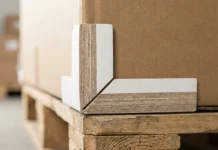
In the high-stakes world of modern warehousing, space is money. Corrugated packaging innovations that improve stacking performance allow for higher vertical density in storage. When boxes are engineered to be perfectly square and resistant to moisture-induced softening, they can be stacked up to 20 feet high without the risk of collapse. This stability is crucial for the safety of warehouse workers and the integrity of the products. Furthermore, innovative designs such as “shelf-ready packaging” allow for the transport container to double as the retail display, reducing the need for secondary packaging and speeding up the process of restocking shelves, thereby improving the entire end-to-end transport efficiency.
Sustainability and the Circular Life of Logistics Packaging
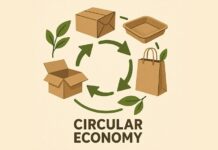
Perhaps the greatest advantage of corrugated materials is their inherent sustainability. Corrugated boxes are the most recycled packaging material on the planet, with recovery rates in many regions exceeding 90%. However, corrugated packaging innovations are taking this a step further by focusing on the “circularity” of the fibers. As fibers are recycled, they gradually shorten and lose strength. New chemical treatments and enzymatic processes are being developed to “rejuvenate” recycled fibers, allowing them to be used in high-strength applications that previously required virgin pulp. This ensures that logistics packaging remains a sustainable choice even as we move toward a fully circular economy.
Water-Resistant Coatings and Barrier Innovations
One of the historic weaknesses of paper-based packaging was its vulnerability to moisture. In many global logistics routes, humidity can cause corrugated boxes to lose up to 50% of their strength, leading to collapsed pallets. Modern corrugated packaging innovations have introduced bio-based, plastic-free coatings that provide a barrier against water and grease. These coatings are fully repulpable, meaning they do not interfere with the recycling process. This allows corrugated materials to be used in environments where only plastic or wood were once viable, such as the transport of fresh produce or chilled meats, expanding the reach of sustainable logistics packaging into new sectors.
Designing for Reuse and Multi-Trip Systems
While the majority of corrugated boxes are recycled, there is a growing interest in “multi-trip” corrugated packaging innovations. These are heavy-duty, reinforced containers designed to be collapsed and returned to the distribution center for reuse. These systems are particularly effective in “closed-loop” logistics networks, such as those used by automotive manufacturers or pharmaceutical distributors. By engineering a box that can survive five or ten trips instead of one, companies can drastically reduce their material costs and environmental impact. This shift from a disposable to a durable mindset represents a fundamental change in how we perceive the value of a corrugated box.
The Future of Corrugated Solutions in an Automated World
As fulfillment centers become increasingly populated by robots, the requirements for corrugated packaging are changing. Robots require a high degree of precision; a box that is slightly warped or has an irregular flap can cause a mechanical jam. Corrugated packaging innovations are now focusing on “robotic-friendly” designs with high dimensional stability and optimized friction surfaces for robotic grippers. This ensures that the automated systems can run at peak speed, further enhancing the efficiency of the global supply chain.
Smart Corrugated: The Integration of Digital Intelligence
The next frontier for the industry is “Smart Corrugated.” We are seeing the experimental integration of printed electronics such as RFID tags and temperature sensors directly into the layers of the corrugated board. This allows for the tracking of the box’s history, including its exposure to heat or physical shock, without the need for external labels. These corrugated packaging innovations provide a level of transparency that is vital for the transport of sensitive goods like vaccines or high-end electronics. When the box itself becomes a source of data, the entire logistics network becomes more intelligent, responsive, and reliable.
Conclusion: The Foundation of Modern Commerce
The evolution of corrugated packaging is a testament to the fact that even the most established materials can be revolutionized through innovation. By focusing on packaging strength, lightweight packaging, and transport efficiency, the industry is ensuring that corrugated boxes remain the foundation of global commerce for another century. As we move toward a future that demands both high performance and environmental stewardship, the silent, wavy layer of the corrugated medium will continue to be the unsung hero of our global logistics networks, protecting our goods and our planet with equal vigor.