























Protecting sensitive, high-value electronics during transport and storage has always been important for preserving your bottom line and ensuring customer satisfaction. With demand skyrocketing and raw material supply disrupted, it has become an immense responsibility that requires more than standard packaging solutions.
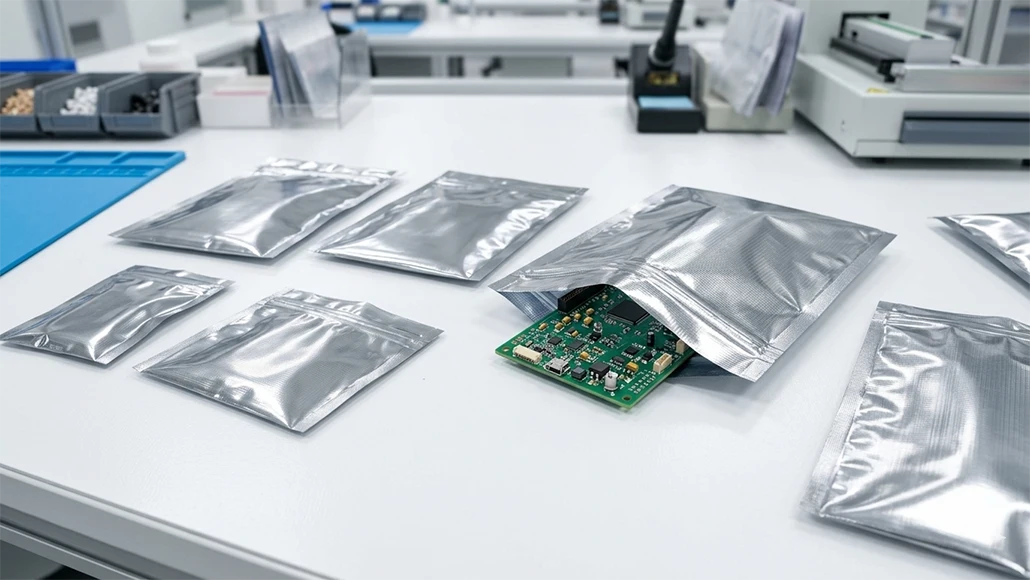
As supply chain pressures intensify and compliance requirements tighten, certified military specification (MIL-SPEC) static shielding bags have become key for safeguarding sensitive components against static electricity, moisture, and corrosion. Meeting these rigorous standards protects your bottom line and ensures mission-critical deliveries arrive intact.
How Penalties Arise from Noncompliant Packaging
You may face fines if packaging fails to meet mandatory safety, industry or legal regulations. However, the penalties aren’t exclusively financial. Operational, reputational and mission-related consequences often inflict more lasting damage than monetary costs.
Shipments are rejected at inspection points, payments are delayed and future contract opportunities disappear. Each of these setbacks compounds, threatening your position as a reliable supplier in an increasingly competitive market.
Product Damage from Electrostatic Discharge
Electrostatic discharge (ESD) events can cause catastrophic damage to sensitive electronic components. Studies show it is responsible for an estimated 30% of product defects in electronics. The most insidious aspect is its delayed manifestation. Components may function properly during initial testing, only to unexpectedly fail weeks or months later during actual use.
This latent failure pattern creates a devastating scenario. Your customers receive products that pass initial quality checks but fail in the field. They attribute the failure to poor manufacturing or substandard components and reputational damage, even though the root cause was inadequate packaging protection during transport.
Failed Inspections and Costly Project Delays
Noncompliant packaging triggers immediate rejection at military and commercial inspection points. This single bottleneck creates a chain of problems throughout your supply chain. Critical deadlines slip, budgets absorb unexpected repackaging and reshipping costs, and your team scrambles to address urgent client demands.
Production schedules shift, inventory management becomes complicated and your operational efficiency suffers as resources are redirected to damage control rather than forward progress.
Erosion of Trust and Professional Reputation
The intangible consequences of subpar packaging often inflict the most lasting damage. When your products arrive damaged while competitors’ shipments remain intact, clients notice the pattern. Trust erodes with each incident, and your reputation as a reliable supplier deteriorates.
Procurement managers remember which suppliers missed delivery windows or shipped damaged components. You’ll lose contracts to competitors who proved more reliable, and those losses hit your revenue even if they don’t show up as line items on this quarter’s report. Rebuilding professional credibility takes years; while losing it takes only a few critical failures.
Why MIL-SPEC Static Shielding Bags Are the Solution
Even if your contracts don’t explicitly mandate MIL-SPEC packaging compliance, adhering to these standards offers substantial advantages. The Department of Defense developed this rigorous framework to combat high equipment failure rates across military operations. Electronics receive adequate protection from corrosion, moisture, and static during long-term storage or transport when these standards are followed.
There are various MIL-SPEC standards. For instance, MIL-STD-2073-1 sets protection protocols against physical damage and environmentally induced corrosion and deterioration, while MIL-STD-1686C addresses ESD control for electrical and electronic parts. According to Caltex Plastics, MIL-STD-2073 applies to any military contents that are mission-capable or won’t be used within six months, establishing strict preservation requirements for long-term reliability.
Adopting these standards protects your products and demonstrates your commitment to quality assurance. Commercial customers increasingly expect military-grade protection for their sensitive electronics, recognizing that these specifications represent proven reliability rather than unnecessary expense.
Selecting a Top-Rated MIL-SPEC Packaging Partner
Your supplier’s capabilities determine whether you meet compliance requirements, hit project deadlines, and maintain your reputation.
Prioritizing a Supplier’s Experience and Track Record
Industry experience serves as a key indicator of reliability and technical expertise. Suppliers with decades of manufacturing history have navigated evolving compliance standards and refined their processes through countless production cycles. This accumulated knowledge means consistent quality and fewer surprises during your projects.
A trusted, top-rated specialist like Caltex Plastics brings decades of experience, having manufactured compliance-focused packaging since 1984. As one of the leading custom plastic bag manufacturers in the country, it has produced a wide variety of MIL-SPEC packaging solutions for commercial and military applications.
This production volume demonstrates operational stability and the manufacturing capacity to handle projects of varying scales. When evaluating potential suppliers, examine their client roster, industry tenure and production capabilities to ensure they can support your specific requirements.
The Strategic Advantage of Fast Turnaround Times
Operational capacity directly impacts your project velocity. Suppliers who operate around the clock can process and ship orders significantly faster than those with standard business hours. This capability becomes crucial when project timelines tighten or unexpected demands arise.
Caltex Plastics experts understand the rigorous demands imposed by certain commercial and military sectors, which is why it operates 24/7. In-stock items receive same-day shipping. This responsiveness helps you maintain schedule integrity. When evaluating suppliers, ask specific questions about production schedules, typical lead times, and expedited shipping.
How to Verify a Supplier’s Quality and Compliance
Documentation verification protects you from compliance failures. Request certificates of conformance for all orders and verify that your supplier’s products appear on the relevant Qualified Products List (QPL) when applicable. These listings confirm that independent testing has verified the supplier’s compliance with military specifications.
Ask detailed questions about testing procedures, quality control processes and certification maintenance. Reputable suppliers welcome these inquiries and provide transparent documentation. If a supplier becomes evasive about compliance verification, consider it a warning sign and continue your search elsewhere.
Frequently Asked Questions About MIL-SPEC Packaging
Procurement managers and packaging engineers often have similar questions when evaluating MIL-SPEC solutions for their operations. Understanding these fundamentals helps you make informed decisions about your packaging strategy.
What standards does MIL-SPEC packaging meet?
MIL-SPEC meets strict Department of Defense (DoD) standards for preservation, durability and identification to ensure products survive harsh conditions, rough handling, and long-term storage. Minimum performance requirements cover material composition, sealing methods, labeling protocols, and environmental resistance testing.
Can I get custom MIL-SPEC packaging?
Custom plastic bags, pouches and films can accommodate even the most singular requirements. Trusted specialists, such as Caltex Plastics, can handle even the most challenging custom orders while maintaining full MIL-SPEC compliance.
If the supplier you work with maintains an extensive inventory, you may not need a custom solution. Caltex Plastics and other well-established suppliers offer a wide variety of products with features such as water-vapor proofing, static shielding, corrosion resistance, greaseproofing, and waterproofing. Evaluate your specific requirements against available stock options before committing to custom manufacturing timelines and costs.
Do static shielding bags need to be sealed?
Bags must be sealed properly to protect against the buildup of static electricity and water vapor intrusion. A heat seal or zipper closure is required for complete protection. Without proper closure, the shielding remains incomplete and your components remain vulnerable.
As electronics become smaller and more complex, a smaller amount of electric current poses a larger threat. According to the Defense Logistics Agency, just one-millionth of a volt can damage a microchip, necessitating the use of static shielding bags during shipping.
Partial sealing creates false security. You invest in compliant packaging but fail to achieve the protection you’re paying for. Always verify that your sealing equipment and procedures meet the manufacturer’s specifications for the specific bag type you’re using.
Safeguard Mission-Critical Components
Noncompliance costs far exceed your investment in proper MIL-SPEC static shielding bag protection. Partner with a top-rated, compliance-focused packaging manufacturer like Caltex Plastics to ensure your components arrive safely, your reputation remains intact, and your projects stay on schedule.