












Fast-moving consumer goods (FMCG) packaging professionals face a constant balancing act between cost pressures and quality demands, while sustainability questions grow more urgent each quarter. Injection-molded packaging addresses all three challenges at once.
This cutting-edge manufacturing process creates everything from closures and caps to complex containers with precision and repeatability. Understanding how injection molding works helps brands make smarter packaging decisions.
An Overview of Injection-Molding Technology
Injection molding creates finished products out of raw plastic materials through a straightforward but meticulous technique. Manufacturers heat plastic pellets until they’ve melted, then high-pressure inject the material into a mold. Once the material cools and solidifies, the mold opens to reveal a completed part.
The process excels at producing identical parts continually, which matters in packaging applications where consistency affects both function and brand presentation. Experts predict that the North American injection-molding packaging market will reach $29.20 billion by 2030, reflecting widespread adoption across consumer goods sectors.
Common Products Made With Injection Molding
Injection molding shapes far more than packaging. For most consumers, though, packaging represents the most frequent point of contact with the technology.
Applications Across Various Industries
The automotive sector relies on injection molding for dashboard components and interior trim that withstand heat and vibration. Medical device manufacturers also use it to create sterile housings for diagnostic equipment. In consumer electronics, the process shapes protective cases and structural components.
The versatility stems from the ability to work with various materials and produce complex shapes efficiently.
Key Examples of Injection-Molded Packaging
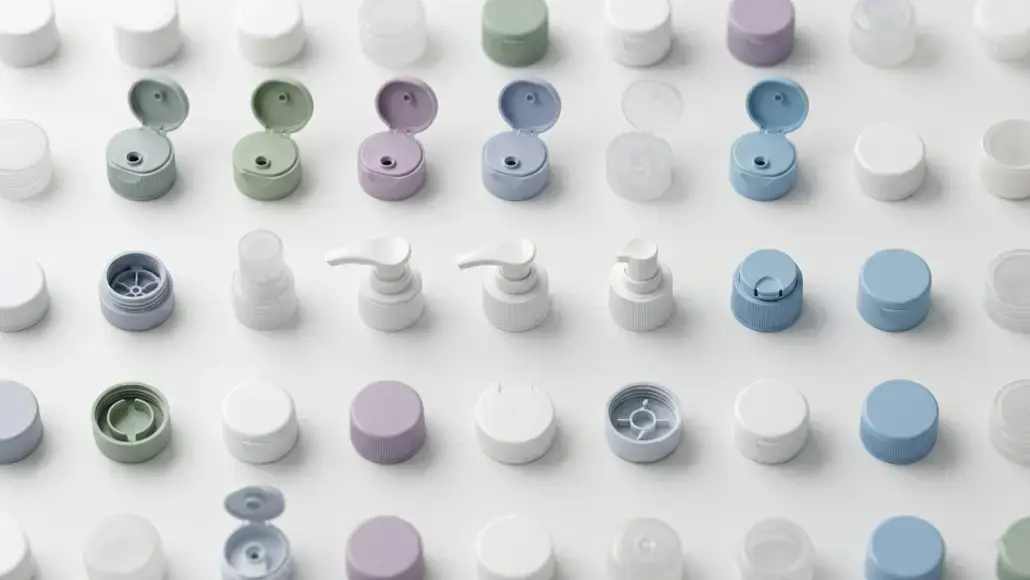
In the FMCG space, injection-molded packaging appears in forms consumers handle daily. Threaded caps and pump dispensers control product flow while hinged closures combine multiple functions. Likewise, rigid containers protect personal care items and food products.
The Plastek Group manufactures these types of custom packaging for the personal care, home care, food and beverage, cosmetics, and pharmaceutical industries. Operating from sites in the United States, the United Kingdom, Brazil and Mexico, the Erie, Pennsylvania-based company brings decades of expertise using this approach.
Core Benefits of Injection Molding for FMCG Brands
The advantages of injection molding become especially relevant when compared with the challenges facing packaging decision-makers.
Achieving Cost-Effectiveness at Production Scale
Initial tooling costs sting, but once production reaches volume, the economics flip entirely. After mold creation, per-unit costs drop considerably as quantities increase. Research shows that injection-molded parts can cost 68% less than 3D printing when producing 10,000 or more units.
Design improvements also yield additional savings, with one study demonstrating a 59.2% cost reduction by using topology optimization techniques to create components. For FMCG brands running high-volume packaging, these advantages translate directly to greater margins. Plastek works with brands to optimize designs for maximum efficiency.
Creating Complex Geometries with High Consistency
A single injection-molded closure can integrate threads, a snap-fit hinge, a tamper-evident band and a precise dispensing orifice. According to The Plastek Group, all these features emerge from a single mold for complex designs, eliminating secondary operations and potential failure points.
The capability matters where form and function intersect. Creating multiple features into a cohesive part reduces assembly time and improves reliability.
Ensuring Brand and Product Quality Control
The process delivers dimensional accuracy that few other manufacturing methods can match. Parts emerge from molds with tolerances measured in thousandths of an inch, which means proper fit across production runs and consistent brand presentation.
Manufacturers like Plastek incorporate branding elements directly into the mold, making logos permanent rather than applied afterward.
The Role of Sustainability in Modern Plastic Packaging
Environmental considerations influence packaging material decisions, pushing factories toward more sustainable approaches. Leading companies like Plastek pursue corporate sustainability goals through initiatives such as its “Reduce, Replace, Reimagine” mission and improvements in Carbon Disclosure Project scores.
The Life Cycle of Traditional Thermoplastics
Thermoplastics like polyethylene, polypropylene and acrylonitrile butadiene styrene dominate injection-molding applications because they melt down and resolidify multiple times without considerable degradation. These qualities make them ideal for injection molding and, in theory, recyclable.
That same durability, however, creates environmental problems. These materials take centuries to degrade in natural environments, creating persistent waste when they escape collection systems. Addressing this requires improved recycling infrastructure and the development of alternative materials.
Innovations in Bioplastics and Renewable Materials
Bioplastics represent a promising path for more sustainable packaging. These materials come from renewable resources like corn starch, sugarcane and cellulose rather than petroleum and can break down naturally under the right conditions. Others match traditional plastics for durability while cutting emissions.
The injection-molding process adapts well to many bioplastic formulations, allowing manufacturers to transition toward sustainable materials without abandoning established methods. As bioplastic technology matures, adoption across FMCG packaging continues to accelerate.
Frequently Asked Questions
Three questions repeatedly arise when brands evaluate injection molding.
What makes injection molding cost-effective for large-scale packaging?
Manufacturers distribute tooling costs across thousands or millions of units, making high-volume production economical. While creating the mold requires considerable investment, the process runs quickly and efficiently. Fast cycle times combined with minimal per-unit costs make it economical once volumes justify the up-front expense.
Can complex packaging designs be created with injection molding?
Injection molding excels at producing intricate features in a single step. Designers can incorporate threads, hinges, undercuts, multiple wall thicknesses and surface textures without assembly, reducing manufacturing time and creating more reliable products.
What sustainable options are available for plastic injection molding?
Several paths toward more sustainable injection-molded packaging exist today. Manufacturers can specify recycled content in traditional thermoplastics or choose bioplastics with lower carbon footprints. Design optimization reduces material use without compromising function, and many manufacturers now pursue multiple sustainability strategies simultaneously to minimize environmental impact.
Finding the Right Manufacturing Partner for Your Product
Successful injection-molded packaging projects depend on choosing a partner with both technical capability and market understanding. The ideal manufacturer brings experience across multiple packaging types, maintains quality systems and demonstrates commitment to sustainable practices.
Look for partners who can guide design optimization, suggest material alternatives and troubleshoot potential issues before production.