

















Key Takeaways:
- Food packaging breakthroughs are fundamentally changing the landscape of consumer health by incorporating antimicrobial films and active packaging that directly interact with the contents to inhibit spoilage. These technologies extend the shelf life of perishables and significantly reduce the risk of foodborne illnesses, ensuring that products remain safe and nutritious from the manufacturing plant to the kitchen table.
- The development of advanced barrier films is playing a critical role in freshness preservation by creating an impermeable shield against oxygen, moisture, and light. This scientific approach to food safety packaging not only maintains the sensory qualities of the food but also contributes to global sustainability efforts by drastically reducing the volume of food waste generated throughout the supply chain.
The global food industry is currently at a crossroads where the demand for convenience meets the absolute necessity for safety and longevity. For years, the limitations of materials meant that food waste was an accepted byproduct of distribution. However, recent food packaging breakthroughs are changing that narrative entirely. By moving beyond passive protection and into the realm of functional intervention, the industry is seeing a wave of innovations designed to preserve the integrity of food in ways previously thought impossible. These advancements are not just about extending dates on a label; they are about safeguarding public health and optimizing the global food supply chain through rigorous science and engineering.
The Science of Active Packaging and Antimicrobial Films
One of the most significant shifts in this field is the move toward active packaging. Unlike traditional materials that simply act as a wall between the food and the environment, active systems interact with the internal atmosphere of the package.
Oxygen Scavengers and Ethylene Absorbers
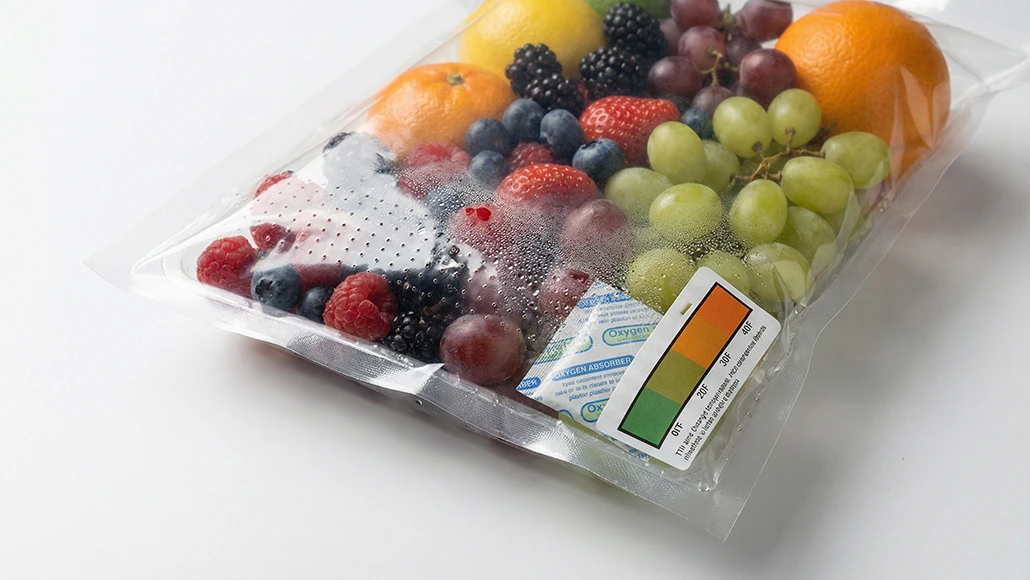
A primary cause of food spoilage is oxidation, which leads to rancidity in fats and browning in fruits. Food packaging breakthroughs have introduced oxygen scavengers small sachets or films embedded with iron powder or other reactive substances that chemically bind with oxygen, removing it from the package entirely. Similarly, ethylene absorbers are used for fresh produce. Ethylene is a natural hormone that causes fruit to ripen and eventually rot. By absorbing this gas, active packaging effectively hits the “pause button” on the ripening process, allowing produce to travel thousands of miles and still arrive in peak condition.
The Power of Antimicrobial Packaging
Perhaps even more impressive is the rise of antimicrobial packaging. These materials are embedded with natural or synthetic agents such as silver ions, zinc oxide, or botanical extracts like oregano and cinnamon oils that actively inhibit the growth of bacteria, fungi, and mold.
Neutralizing Pathogens on Contact
By neutralizing pathogens on contact, these food packaging breakthroughs provide an invisible layer of protection that ensures safety without the need for excessive chemical preservatives in the food itself. This is particularly vital in the “clean label” movement, where consumers demand fewer artificial ingredients. Antimicrobial films can target specific threats like Listeria or E. coli, significantly reducing the risk of foodborne outbreaks and increasing the overall safety of the global food supply.
Advanced Barrier Films and Freshness Preservation
The battle for freshness is often fought at the molecular level. Oxygen and water vapor are the primary enemies of food quality, leading to staleness, rot, and loss of nutritional value.
Multi-Layered Protection and Nanotechnology
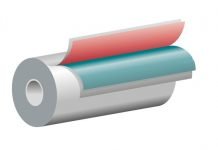
New developments in barrier films have led to the creation of ultra-thin, multi-layered structures that offer unprecedented resistance to gas permeation. We are now seeing the integration of nanotechnology, where nanoclay particles are dispersed within the polymer matrix. These particles create a “tortuous path” for oxygen molecules, making it incredibly difficult for them to penetrate the film.
Specialized Solutions for Meat and Dairy
This technology is particularly vital for the meat and dairy sectors, where freshness preservation is a high-stakes endeavor. High-barrier films ensure that products retain their moisture and color without the need for artificial dyes. By keeping the “good” gases (like nitrogen or carbon dioxide) in and the “bad” elements (like oxygen) out, these films ensure that the consumer enjoys a product that tastes as fresh as the day it was packaged.
Modified Atmosphere Packaging: The Breathable Solution
Modified Atmosphere Packaging (MAP) is a sophisticated technique that involves replacing the air inside a package with a specific gas mixture. This process slows down the aging of fruits and vegetables, effectively putting them into a state of “hibernation.”
Tailoring the Atmosphere for Produce
When combined with smart food packaging breakthroughs, such as laser-perforated films that allow for controlled respiration, the shelf life of fresh produce can be doubled or even tripled. Different products require different atmospheres; for example, red meat requires high oxygen to maintain its color, while pasta requires high carbon dioxide to inhibit mold. The precision with which these atmospheres can now be managed is a testament to the growth of food safety packaging.
Prioritizing Food Safety Packaging in a Globalized Market
As our food supply chains become increasingly globalized, the risk of contamination grows. Food safety packaging has therefore become a critical line of defense.
Time-Temperature Indicators (TTIs)
Modern breakthroughs include time-temperature indicators that change color if a product has been exposed to unsafe temperatures during transit. This provides a clear, non-reversible signal to both the retailer and the consumer that the cold chain was broken.
Visualizing the Invisible
Such innovations are vital for high-risk food items like seafood or poultry. By making the invisible history of a package visible, these technologies take the guesswork out of food safety and empower consumers to make informed decisions. This transparency is essential for maintaining trust in global food brands, especially as logistics become more complex and cross more borders.
Biosensors and Real-Time Contamination Detection
The next frontier of food packaging breakthroughs is the integration of biosensors. These are tiny sensors embedded in the film that can detect the presence of pathogens or toxins.
The Future of Digital Freshness Checks
For instance, a sensor might change color or send a signal to a smartphone if it detects the specific gases released by Salmonella. This moves food safety packaging from a passive role to a diagnostic one. Imagine a world where your refrigerator can scan your groceries and alert you if a specific item is no longer safe to eat. This level of precision could virtually eliminate the risk of accidental food poisoning at home.
Sustainability and the Future of Barrier Technologies
A major challenge for the industry is ensuring that these high-performance materials do not harm the environment. Historically, high-barrier films were made of inseparable layers of different plastics, making them unrecyclable.
Moving Toward Mono-Material Barriers
Recent food packaging breakthroughs have led to the development of mono-material barrier films. By using different orientations of the same polymer (like polypropylene), engineers can create a film that has high barrier properties but remains fully recyclable in a single stream.
Bio-Based Coatings and Compostable Films
We are also seeing the emergence of compostable films that offer oxygen barriers comparable to traditional plastics. These are often made from cellulose or polylactic acid (PLA) with bio-based coatings. This dual focus on safety and sustainability is the hallmark of modern packaging innovation, proving that we do not have to choose between protecting our food and protecting our planet.
The Role of Intelligent Indicators in Reducing Waste
Food waste is a global crisis, and much of it stems from the ambiguity of “best before” dates. Intelligent packaging breakthroughs are addressing this by providing real-time data on the actual state of the food.
Redefining the Expiration Date
For example, sensors that detect the release of certain volatile organic compounds associated with spoilage can give a more accurate representation of freshness than a printed date ever could. This move toward precision ensures that perfectly good food is not discarded prematurely, while simultaneously ensuring that spoiled food never reaches the consumer. It is a data-driven approach to food safety packaging that benefits the economy, the environment, and the individual shopper.
A New Era of Culinary Integrity
The advancements we are seeing today are just the beginning of a transformation in how we interact with what we eat. The focus is shifting toward a holistic view of the product, where the packaging is an integral part of the food’s quality, not just a temporary carrier.
Enhancing Nutritional Retention
Beyond safety, food packaging breakthroughs are also focusing on nutritional retention. Traditional packaging often allows vitamins and antioxidants to degrade over time due to light and oxygen exposure. New barrier technologies specifically designed to block UV light and oxygen are helping to keep foods more nutritious for longer.
The Impact on Global Food Security
On a larger scale, these innovations have the potential to address global food security. By extending the shelf life of staples and nutrient-dense foods, we can reduce the losses that occur in regions with poor infrastructure. The ability to transport fresh food further and keep it safe for longer is a major step toward a more equitable global food system.
The Intersection of Science and Gastronomy
Through the continued refinement of antimicrobial packaging and active technologies, we are moving toward a world where foodborne illness is significantly reduced and the true flavor and nutrition of food are preserved across vast distances. These food packaging breakthroughs represent a triumph of human ingenuity. They ensure that as our population grows, our ability to feed it safely and sustainably grows along with it. The kitchen of the future will be supported by a supply chain that is smarter, safer, and more efficient, all thanks to the remarkable progress in the field of food safety packaging.