













Key Takeaways
- Optimization of Material Strengths: Hybrid packaging leverages the structural and environmental advantages of moulded fibre for the majority of the package, while using thin layers of other materials (like films or coatings) only where necessary for barrier performance. This results in a massive reduction in plastic usage without sacrificing product safety or shelf life.
- Enhanced Functionality and Versatility: The integration of different materials allows moulded fibre to enter markets previously dominated by plastic, such as liquid containers and modified atmosphere food packaging. As bonding and separation technologies improve, these hybrid formats are becoming easier for consumers to recycle, making them a pragmatic and high-performance choice for sustainable brands.
The “all-or-nothing” approach to material selection is rapidly fading in the packaging industry. Instead, we are entering the era of the hybrid. By combining the strengths of different materials while minimizing their weaknesses, manufacturers are creating hybrid packaging solutions that provide the best of both worlds. At the heart of this movement is the integration of moulded fibre in hybrid packaging formats. Moulded pulp offers incredible structural integrity, shock absorption, and environmental benefits, but it sometimes lacks the high-performance moisture or gas barriers required for certain applications. By strategically combining fibre with thin films, paperboard, or bio-coatings, the industry is creating multi material packaging that is both high-performing and highly sustainable.
The Philosophy of Hybrid Design
The core philosophy of integration of moulded fibre in hybrid packaging formats is “material optimization.” This means using the most sustainable material (moulded fibre) for the bulk of the package the structure and using specialized materials only where they are absolutely necessary for functional performance. This approach is a response to the limitations of single-material packaging. For example, a 100% plastic container provides a great barrier but is environmentally problematic. A 100% fibre container is sustainable but may not keep food fresh for long periods.
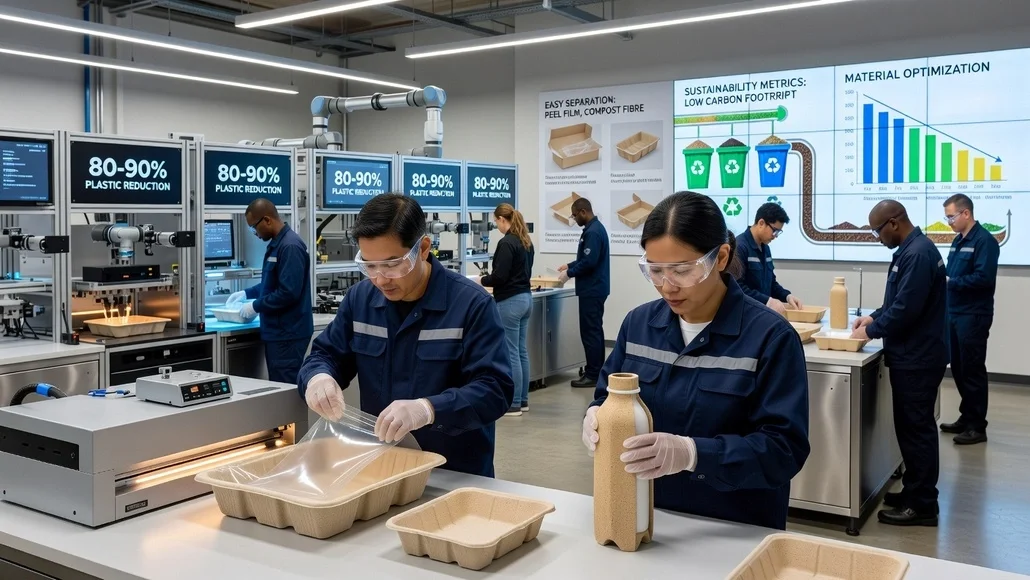
In a hybrid format, a moulded fibre tray might provide the rigid structure and protection, while a thin, recyclable, or compostable film provides the necessary oxygen barrier. This drastically reduces the total amount of plastic used often by as much as 80% to 90% without compromising the shelf life of the product. This type of fibre packaging integration is a pragmatic step toward circularity, allowing brands to transition toward more sustainable packaging formats without risking product quality or safety.
Common Hybrid Formats and Their Applications
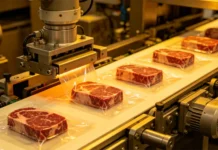
One of the most successful examples of integration of moulded fibre in hybrid packaging formats is seen in the “modified atmosphere packaging” (MAP) used for fresh meats and ready-to-eat meals. In these applications, a moulded fibre tray is lined with a very thin barrier film. The film is heat-sealed to the top, creating an airtight environment that extends the freshness of the food. When the consumer is finished, many of these designs allow the film to be easily peeled away from the pulp tray, so both components can be recycled or composted in their respective streams.
Another growing segment is the “fibre-bottle” or “fibre-flask.” These containers use a rigid moulded fibre outer shell for strength and branding, with a thin inner liner (often made of recyclable polyethylene or a bio-plastic like PLA) to hold liquids. This hybrid packaging solution is being adopted by some of the world’s leading beverage and personal care brands as a way to replace heavy, energy-intensive glass bottles and traditional plastic containers. The outer shell can be embossed with high-quality branding and provides excellent insulation, while the inner liner ensures the product remains contained and uncontaminated.
Advanced Protective Packaging for Electronics
In the electronics and high-tech sectors, the integration of moulded fibre in hybrid packaging formats is solving the challenge of protecting delicate components from both physical impact and static electricity. While moulded fibre is an excellent cushion, it can sometimes produce “dust” or small fibres that can interfere with sensitive electronic circuits. To solve this, manufacturers are creating hybrid inserts that feature a moulded fibre base laminated with a thin layer of anti-static film or a smooth, dust-free paperboard surface.
This multi material packaging provides the deep-draw cushioning and structural support that only moulded fibre can offer, but with a clean-room-compatible surface that protects the product’s delicate surfaces. This approach is much more sustainable than using large blocks of expanded polystyrene (EPS) or multiple layers of plastic bubble wrap. By integrating these materials into a single, cohesive unit, brands can simplify the unboxing experience for the consumer while maintaining the highest levels of technical protection.
Innovations in Lamination and Bonding Technologies
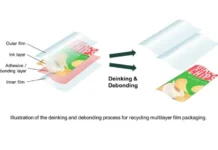
The success of moulded fibre hybrid packaging depends heavily on the technology used to join the different materials. Historically, using adhesives to bond plastic films to pulp trays made the packaging difficult to recycle. However, packaging innovation has led to the development of “dry-bond” and “heat-seal” technologies that use minimal or water-based adhesives.
The latest trend is “mechanical bonding,” where the film is pressed into the fibres at high pressure, creating a secure hold without any chemical glue. This makes it much easier for recycling facilities to separate the materials during processing. Furthermore, researchers are developing “bio-laminates” made from seaweed or starch that provide barrier properties but are fully compostable alongside the fibre tray. This represents the “holy grail” of integration of moulded fibre in hybrid packaging formats: a multi-material system that acts like plastic during use but behaves like a leaf at the end of its life.
Sustainability Metrics and Consumer Perception
When evaluating hybrid packaging, brands must look at the “net sustainability” of the system. While a hybrid package still uses some non-fibre material, its overall environmental footprint including its carbon footprint, water use, and end-of-life impact is almost always lower than a traditional plastic-only solution. This is because the volume of plastic is so significantly reduced, and the majority of the material is derived from renewable sources.
Consumer perception is another major factor. Research shows that consumers respond very positively to hybrid packaging that uses visible natural fibres. The tactile feel of the fibre tray communicates “sustainability” instantly, even if a small amount of film is present for functional reasons. Brands that use hybrid formats often print “Instructions for Separation” on the package, which engages the consumer in the recycling process and reinforces the brand’s commitment to transparency. This makes moulded fibre hybrid packaging a powerful marketing tool in an era where eco-conscious shoppers are scrutinizing every purchase.
The Future of Hybrid Packaging: Beyond Plastics
Looking forward, the integration of moulded fibre in hybrid packaging formats will likely move away from plastic films altogether. The next generation of hybrids will combine moulded pulp with other bio-based materials like cellulose-based barrier papers or nano-cellulose coatings. These “all-fibre hybrids” will provide the protection and shelf-life of plastic but will be 100% paper-stream recyclable and home-compostable.
We are also seeing the integration of “smart” elements into hybrid formats. This includes embedding NFC tags or RFID sensors between the layers of a hybrid package for tracking and authentication. This combination of structural fibre, functional barriers, and digital technology is the future of the industry. By continuing to innovate in this space, manufacturers are ensuring that moulded fibre is not just an alternative to plastic, but the primary building block for the most advanced, efficient, and sustainable packaging formats in the world. From the Packaging World Insights perspective, hybrid packaging represents not just a transitional solution, but a long-term design philosophy where material efficiency, circularity, and intelligent functionality converge to redefine packaging innovation.