



















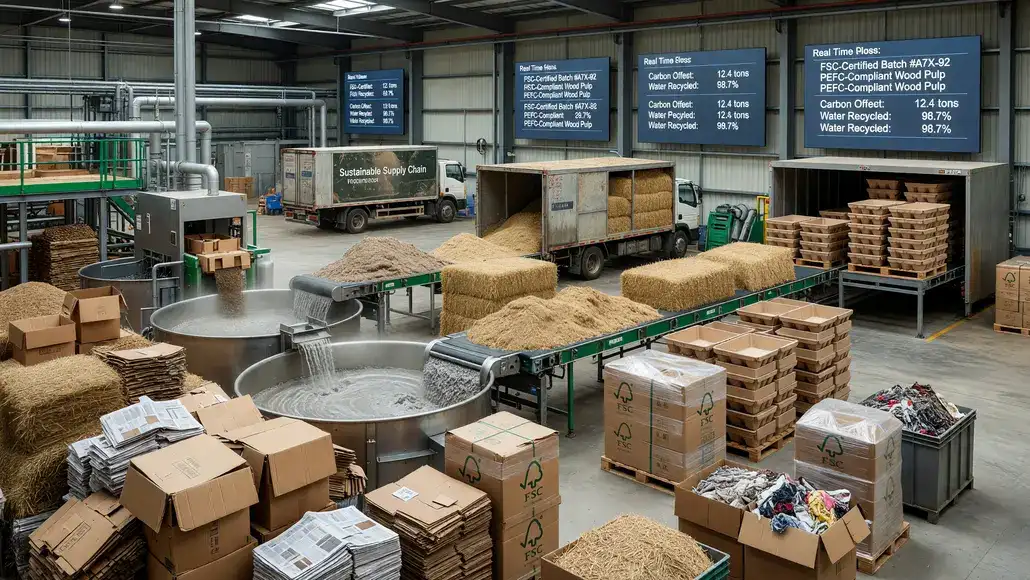

The transition to a sustainable global economy is fundamentally a transition in material usage. As industries move away from fossil-fuel-derived plastics, the focus has shifted toward biological, renewable resources that can be integrated into circular systems. At the heart of this movement is the sourcing of moulded fibre raw materials, a critical operational pillar that determines the environmental integrity, cost-effectiveness, and reliability of the final packaging solution. Sourcing for fibre is not just about finding “paper”; it is about managing a complex, global supply chain that balances the use of post-consumer recycled content with virgin pulp and increasingly, innovative agricultural residues. This diversification of the “fibre basket” is essential for ensuring that the industry can scale to meet the massive demand for plastic alternatives without putting undue pressure on forest ecosystems.
The stability of the fibre supply chain is one of its greatest strengths compared to petroleum-based polymers. While the price of plastic is tied to the volatile fluctuations of the global oil market, fibre sourcing is rooted in renewable biological cycles and well-established recycling networks. However, as the demand for sustainable packaging explodes, the competition for high-quality fibre is intensifying. This has led to a strategic focus on “material resilience,” where manufacturers are looking beyond traditional wood pulp to find new, sustainable raw materials packaging solutions. By utilizing waste from the sugar, wheat, and bamboo industries, the moulded fibre sector is creating a truly regenerative model that turns the “trash” of one industry into the high-value “treasure” of another.
The Dominance and Dynamics of Recycled Fibre
The vast majority of moulded fibre products today are made from recycled fibre packaging, primarily sourced from post-consumer waste like old corrugated containers (OCC), newsprint, and office paper. This reliance on recycled content is the foundation of the industry’s circular credentials. By taking material that has already served a purpose and giving it a new life as protective packaging, manufacturers are significantly reducing the need for virgin timber extraction and diverting millions of tons of waste from landfills. The process of “pulping” these recycled materials is energy-efficient and uses a closed-loop water system, further enhancing the sustainability of the final product.
However, the quality of recycled fibre is not infinite. Every time a fibre is recycled, it becomes shorter and weaker. To maintain the structural integrity required for high-performance packaging, manufacturers must carefully manage the “blend” of their slurry. This often involves mixing different grades of recycled material such as long-fibre cardboard with shorter-fibre newsprint to achieve the desired strength and surface finish. In some cases, a small percentage of virgin pulp is added to “refresh” the fibre pool and ensure the packaging can meet the rigorous demands of the global supply chain. This nuanced approach to material management is a key differentiator for top-tier fibre producers who must guarantee a consistent product to their brand-owner clients.
Navigating the Global Pulp Market and Virgin Sourcing
While recycled content is the priority, the role of virgin pulp cannot be ignored, especially for food-contact applications that require the highest levels of purity and hygiene. Sourcing virgin pulp requires a deep commitment to sustainable forestry practices. Leading fibre manufacturers only source pulp from forests certified by organizations like the Forest Stewardship Council (FSC) or the Programme for the Endorsement of Forest Certification (PEFC). These certifications provide the data-driven assurance that the wood is being harvested in a way that protects biodiversity, respects the rights of local communities, and ensures the long-term health of the forest ecosystem.
The global pulp market is a complex network of producers and buyers, and maintaining a reliable supply requires sophisticated procurement strategies. Factors such as climate-related disruptions, transportation bottlenecks, and changing land-use policies can all impact pulp availability and price. To mitigate these risks, manufacturers are increasingly looking for localized pulp sourcing options that reduce transport distances and support regional economies. This move toward “regionalization” is a major trend in the fibre supply chain, as it provides a more resilient and transparent path from the forest to the factory. By building long-term partnerships with sustainable forest managers, the fibre industry is ensuring a stable foundation for its future growth.
The Rise of Agricultural Residues as a Primary Feedstock
One of the most exciting trends in the industry is the shift toward using non-wood agricultural residues as a primary source of moulded fibre raw materials. This includes materials like bagasse (the fibrous residue of sugarcane), wheat straw, miscanthus, and hemp. These materials are “annual crops,” meaning they grow much faster than trees and can be harvested every year. For many farmers, these residues were previously considered a waste product that was often burned in the fields, leading to significant air pollution and carbon emissions. By turning this “waste” into packaging pulp, the fibre industry is creating a new source of income for rural communities and significantly reducing the environmental impact of agriculture.
Bagasse, in particular, has become a staple in the production of high-quality, compostable foodservice items. Its fibres are naturally strong and have a high degree of “whiteness,” which reduces the need for chemical bleaching. Wheat straw is another abundant resource that provides excellent structural properties for heavy-duty industrial trays. The challenge with agricultural residues lies in the logistics of collection and the consistency of the pulp. Unlike the centralized timber industry, agricultural waste is often spread across thousands of small farms. Solving this logistical puzzle requires investment in regional processing hubs that can collect and pre-process the raw material before it is sent to the moulding facility. This “hub-and-spoke” model is the future of sustainable material procurement, providing a scalable and truly regenerative source of fibre.
Circularity and the Integration of Post-Industrial Waste
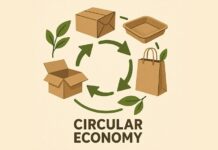
Beyond post-consumer and agricultural sources, the industry is also tapping into post-industrial waste streams. This includes “broke” the off-cuts and scraps from paper and cardboard manufacturing as well as specialized waste like denim scraps or textile fibres. These materials are often very high in quality and purity, making them ideal for premium packaging applications. By capturing this industrial waste and returning it to the production cycle, manufacturers are demonstrating the true power of the circular economy. This “material upcycling” is a major selling point for brands that want to tell a deeper story about their environmental commitments.
The use of post-industrial waste also offers a degree of material “traceability” that is difficult to achieve with general recycled streams. Because the source of the material is known and controlled, manufacturers can guarantee the absence of contaminants, which is particularly important for the pharmaceutical and medical device sectors. This focus on material purity is a growing part of the eco packaging materials conversation, as regulators and consumers alike demand more transparency about what exactly goes into the products they buy. By creating a transparent and controlled supply chain, the fibre industry is setting a new standard for industrial responsibility.
Ensuring Supply Chain Resilience and Transparency
In an era of global uncertainty, the resilience of the supply chain is as important as the sustainability of the material. For brand owners, the fear of a “stock-out” is a major barrier to switching away from established plastic formats. To address this, fibre manufacturers are investing in sophisticated supply chain management tools that provide real-time visibility into their raw material inventory and production capacity. This digital connectivity allows for a more agile response to market shifts and ensures that the “right material” is always in the “right place” at the “right time.”
Transparency is the final, essential component of a sustainable sourcing strategy. Brands today want to know not just that their packaging is “recyclable,” but exactly where the fibres came from and what the environmental impact was of getting them to the factory. This has led to the adoption of blockchain and other digital tracking technologies that can provide a “digital passport” for every batch of pulp. This level of granular data is essential for meeting the increasingly strict reporting requirements of ESG (Environmental, Social, and Governance) frameworks. By providing a transparent, data-driven supply chain, the fibre industry is building the trust needed to become the dominant packaging material of the 21st century.
The Future of Bio-Synthetic and Hybrid Fibres
Looking ahead, the next generation of moulded fibre raw materials may include “bio-synthetic” fibres derived from algae or fungal mycelium. These materials offer unique functional properties such as inherent antimicrobial resistance or exceptional insulation that could further expand the use of fibre in specialized markets. There is also significant research into “hybrid” fibres that combine cellulose with other bio-based materials to create composites with unprecedented strength-to-weight ratios. These innovations will continue to diversify the industry’s material base, ensuring that it is not dependent on any single source of supply.
The globalization of fibre sourcing will also play a key role. As the infrastructure for collecting and processing recycled and agricultural fibre grows in developing economies, we will see a more balanced and resilient global market. This will lower costs for everyone and ensure that sustainable packaging is accessible to all, not just a luxury for the wealthy. The journey from a discarded cardboard box or a pile of wheat straw to a high-precision piece of protective packaging is a testament to the power of circular thinking. By mastering the art and science of raw material sourcing, the moulded fibre industry is securing a future that is both profitable and regenerative.