














Redefining Sustainability in Packaging: Innovations Leading the Charge
The packaging industry stands at a transformative crossroads where environmental responsibility meets technological innovation. With global packaging waste reaching unprecedented levels and consumers increasingly demanding eco-friendly solutions, sustainable packaging innovations have emerged as the cornerstone of modern manufacturing strategy. These groundbreaking developments in biodegradable materials, recyclable packaging solutions, and eco-friendly production processes are fundamentally reshaping how products reach consumers while minimizing environmental impact.
Introduction to Sustainability in Packaging
The urgency for sustainable packaging has never been more pronounced. Recent data indicates that the biodegradable packaging materials market expanded from USD 495.78 billion in 2024 to USD 527.51 billion in 2025, with projections suggesting it will surpass USD 921.95 billion by 2034, representing a robust CAGR of 6.40%. This remarkable growth trajectory reflects not only market demand but also the critical need to address the environmental consequences of traditional packaging methods.
Contemporary sustainable packaging innovations encompass a comprehensive approach that extends beyond simple material substitution. These solutions integrate advanced biotechnology, intelligent design principles, and circular economy concepts to create packaging systems that enhance product protection while maintaining environmental integrity. The shift toward eco-friendly packaging represents more than regulatory compliance; it embodies a fundamental reimagining of how packaging can contribute positively to environmental sustainability goals.
The transformation toward sustainable packaging has been accelerated by growing consumer awareness and stringent regulatory frameworks worldwide. Companies implementing sustainable packaging innovations report not only reduced environmental footprints but also significant cost savings through optimized material usage and improved operational efficiency. This convergence of environmental stewardship and economic viability has positioned sustainable packaging as an essential competitive advantage in today’s marketplace.
Biodegradable Materials and Eco-Friendly Inks
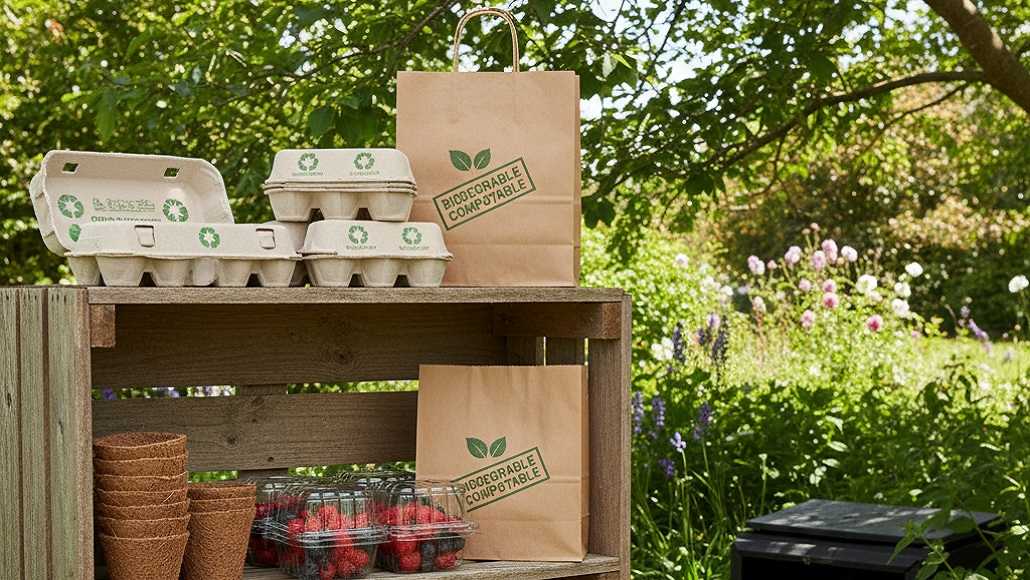
The development of biodegradable materials represents one of the most significant breakthroughs in sustainable packaging innovations. Advanced biopolymers, including polyhydroxyalkanoates (PHAs), polylactic acid (PLA), and innovative materials derived from agricultural waste, are revolutionizing packaging capabilities while ensuring complete environmental compatibility.
Seaweed-based bioplastics have emerged as particularly promising alternatives to traditional petroleum-based materials. Companies like OCEANIUM have developed compostable seaweed packaging that decomposes naturally without leaving harmful residues. Their OCEAN WARE product line demonstrates how marine resources can be transformed into high-performance packaging materials that meet rigorous durability standards while maintaining complete biodegradability.
Plant-based packaging innovations extend beyond seaweed to encompass materials derived from corn, sugarcane, hemp, and other renewable sources. Bulgarian startup LAM’ON produces corn-based foil packaging that leaves no microplastics during decomposition, offering superior environmental performance compared to conventional plastic films. These plant-based alternatives provide manufacturers with sustainable options that maintain the protective qualities essential for product integrity.
Revolutionary developments in eco-friendly inks complement biodegradable packaging materials by ensuring complete sustainability throughout the printing process. Modern biodegradable inks utilize natural pigments and water-based formulations that eliminate harmful solvents and chemicals. These advanced ink systems not only reduce environmental impact but also enhance the safety profile of packaged products, particularly important for food and pharmaceutical applications.
The integration of edible packaging materials represents the cutting edge of biodegradable innovation. Estonian company Decomer Technology has developed plant-based edible packaging that is tasteless, transparent, and hypoallergenic, suitable for food, pharmaceutical, and agricultural applications. These revolutionary materials eliminate waste entirely by becoming part of the consumption experience, representing the ultimate expression of sustainable packaging design.
Mycelium-based packaging offers another breakthrough in biodegradable materials, utilizing the root structure of fungi to create protective packaging alternatives to expanded polystyrene. Companies like Ecovative Design produce lightweight, durable packaging from mycelium that decomposes in soil within weeks while providing excellent protective properties for fragile goods.
Recycling Solutions in Modern Packaging
Contemporary recycling solutions in sustainable packaging extend far beyond traditional collection and processing methods. Advanced recyclable packaging systems incorporate design-for-recycling principles that optimize material separation and processing efficiency while maintaining product protection and brand appeal.
Mono-material packaging design represents a significant advancement in recyclability, eliminating complex multi-layer systems that complicate recycling processes. These simplified structures ensure that packaging materials can be efficiently processed through existing recycling infrastructure, maximizing recovery rates and reducing contamination in recycled material streams.
Post-consumer recycled (PCR) content integration has become a cornerstone of sustainable packaging innovations. Advanced processing technologies enable manufacturers to incorporate higher percentages of recycled materials while maintaining packaging performance standards. The development of enhanced barrier properties in recycled materials ensures that sustainability improvements do not compromise product protection or shelf life.
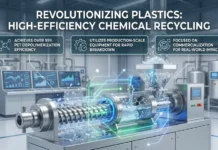
Chemical recycling technologies offer transformative solutions for materials previously considered non-recyclable. These advanced processes break down complex polymers into their molecular components, enabling infinite recycling cycles without material degradation. This technology particularly benefits flexible packaging applications where traditional mechanical recycling faces limitations.
Smart labeling systems enhance recyclability by providing clear disposal instructions and material identification codes that facilitate proper sorting in recycling facilities. These intelligent marking systems improve recycling efficiency by reducing contamination and ensuring materials reach appropriate processing streams.
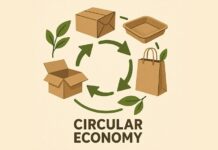
The emergence of closed-loop packaging systems creates comprehensive recycling networks where packaging materials are continuously circulated within controlled systems. These approaches maximize material utilization while minimizing waste generation, representing the practical implementation of circular economy principles in packaging applications.
Industry Trends Driving Sustainable Innovation
Several converging industry trends are accelerating the adoption of sustainable packaging innovations across diverse market segments. Regulatory pressure, consumer demand, and technological advancement combine to create unprecedented momentum for environmental packaging solutions.
Extended Producer Responsibility (EPR) regulations worldwide are fundamentally changing how companies approach packaging design and lifecycle management. These regulatory frameworks hold manufacturers accountable for packaging environmental impact from production through disposal, incentivizing sustainable design decisions and investment in recycling infrastructure.
Digital transformation technologies enable sophisticated lifecycle assessment and environmental impact monitoring throughout packaging supply chains. Advanced analytics platforms help manufacturers optimize material selections, predict environmental performance, and identify opportunities for sustainability improvements.
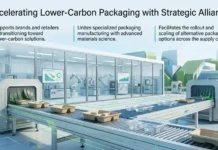
Collaborative industry initiatives are establishing standardized approaches to sustainable packaging that facilitate widespread adoption and implementation. These partnerships between manufacturers, retailers, and waste management providers create integrated systems that support circular packaging strategies across entire value chains.
Consumer transparency demands are driving packaging innovations that communicate environmental credentials clearly and credibly. QR codes and digital platforms enable detailed product lifecycle information sharing, allowing consumers to make informed purchasing decisions based on comprehensive environmental data.
The integration of artificial intelligence in packaging design optimization enables rapid evaluation of sustainability alternatives while maintaining functional requirements. AI-driven design tools can generate multiple sustainable packaging variants, test their environmental performance virtually, and optimize material usage to minimize waste.
Investment in sustainable packaging research and development has reached record levels as companies recognize the strategic importance of environmental innovation. This increased funding supports breakthrough material development, advanced recycling technologies, and innovative design solutions that push the boundaries of sustainable packaging possibilities.
Future Outlook for Sustainable Packaging
The future landscape of sustainable packaging innovations promises even more revolutionary developments as technology advancement and environmental awareness continue to converge. Emerging trends indicate that packaging will evolve beyond mere environmental neutrality toward actively contributing to ecological restoration and regeneration.
Nanotechnology applications in sustainable packaging are developing materials with enhanced performance characteristics while maintaining complete biodegradability. These advanced materials offer superior barrier properties, extended shelf life capabilities, and improved durability without compromising environmental compatibility.
Biotechnology innovations are creating packaging materials from engineered organisms that can be programmed for specific performance characteristics and controlled degradation timelines. These biological manufacturing approaches represent the next generation of sustainable packaging production methods.
Active and intelligent packaging integration with sustainable materials creates multifunctional systems that monitor product condition, extend shelf life, and provide real-time quality information while maintaining complete environmental compatibility. These smart sustainable packaging solutions optimize both product protection and environmental performance.
The development of carbon-negative packaging materials that actively sequester atmospheric carbon during production represents an emerging frontier in sustainable packaging innovation. These revolutionary materials transform packaging from an environmental liability into an environmental asset.
Circular design principles are becoming standard practice in packaging development, ensuring that materials are designed for multiple lifecycle iterations and maximum resource utilization. This approach transforms packaging from a linear consumption model to a regenerative resource system.
The convergence of sustainable packaging innovations with digital technologies creates intelligent packaging ecosystems that optimize environmental performance through real-time monitoring, predictive analytics, and adaptive material properties. These integrated systems represent the future of packaging sustainability, where environmental responsibility and functional excellence are seamlessly unified.
The trajectory toward complete sustainability in packaging continues to accelerate, driven by technological innovation, regulatory evolution, and fundamental shifts in consumer expectations. As sustainable packaging innovations mature from experimental concepts to mainstream solutions, they establish new industry standards that prioritize environmental stewardship while delivering exceptional product protection and consumer experience. The packaging industry’s commitment to sustainability innovation ensures that environmental responsibility will remain at the forefront of packaging development, creating solutions that benefit both business success and planetary health.