




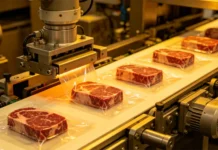

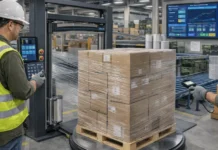




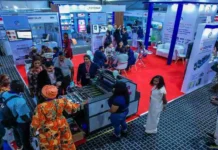

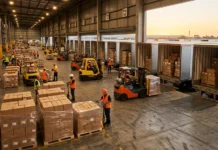





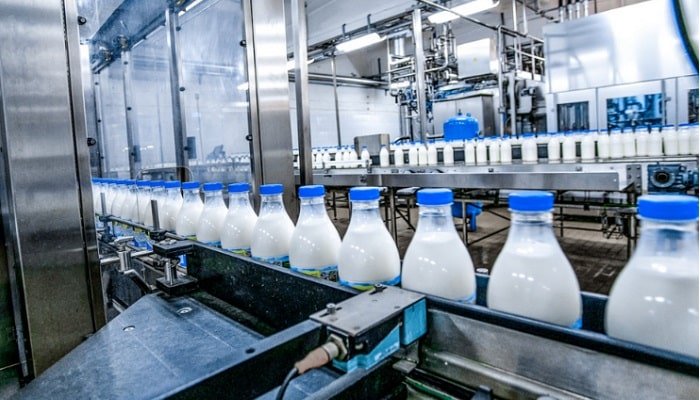

The swift evolution of technology continues to redefine industries, including food manufacturing. Liquid packaging processes, crucial for products like sauces, beverages, and dairy items, are undergoing innovative transformations. This article discusses the future of liquid packaging, focusing on the escalating impact of automation.
Automation in Liquid Packaging: Automation is reshaping food manufacturing through advanced technology. These automated systems enhance production rates, maintain packaging consistency, and reduce workplace accidents. This drives higher output, profitability, product quality, and workplace safety, becoming vital to the industry. Benefits include:
Enhanced Efficiency: Automated packaging machinery operates swiftly with minimal human intervention, boosting production rates and resource efficiency.
Improved Accuracy: Automation reduces human errors, ensuring uniform liquid volume, seal quality, and packaging weight.
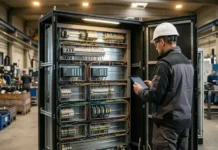
Worker Safety: Automation handles risky tasks, minimizing worker exposure to hazards and potential accidents.
Trends in Automated Liquid Packaging: Innovations like Artificial Intelligence (AI), Machine Learning (ML), increased robotics, and sustainability are set to redefine liquid packaging. The impact of these technologies on liquid packaging is as follows:
AI and ML Integration: AI and ML optimize liquid packaging through predictive maintenance, quality control, and process enhancement, preventing equipment breakdowns and reducing downtime.
Robotics Utilization: Robotic arms in packaging lines will increase, performing complex tasks like capping and arranging products on pallets with precision and speed.
Sustainability Focus: Automation minimizes waste and environmental impact, enabling the use of innovative, sustainable packaging materials.
Implications for Food Manufacturing: Automation in liquid packaging will lead to substantial changes, affecting quality assurance, cost management, and production volume:
Quality Enhancement: Automation’s precision and control improve product quality and consistency, building consumer trust.
Cost Reduction: While the initial investment is high, automation reduces labor costs, material wastage, and downtime, leading to significant savings.
Increased Production: Automated lines meet growing food demands, especially in urbanizing regions, due to enhanced efficiency and speed.
Challenges in Automation Adoption: Despite its benefits, embracing automation in liquid packaging presents challenges. These must be addressed to unlock its potential:
Skill Gap: Workers need new skills for automation, requiring investment in training and education.
Data Security: Protection against cyber threats is essential due to automation’s reliance on digital data.
Regulatory Adaptation: Automation might bring new regulations that businesses must navigate for compliance.
Embracing the Future: Automation reshapes the future of liquid packaging, driving efficiency, accuracy, safety, and sustainability. Challenges can be overcome through preparation, training, and regulatory adherence.
The influence of automation on liquid packaging cannot be underestimated. With its potential to increase efficiency, enhance accuracy, ensure safety, and promote sustainability, automation is revolutionizing the industry. Challenges may persist, but with the right approach, automation will redefine food manufacturing standards.