




















Close
China Brew China Beverage 2026
Tuesday, June 23, 2026
Moulded Fibre Packaging Europe 2026

Hanwha Vision research reveals manufacturers are turning to AI and video technology to increase productivity

Note* - All images used are for editorial and illustrative purposes only and may not originate from the original news provider or associated company.

Subscribe

- Never miss a story with notifications

- Gain full access to our premium content

- Browse free from any location or device.

Media Packs

Expand Your Reach With Our Customized Solutions Empowering Your Campaigns To Maximize Your Reach & Drive Real Results!

โ€“ Access the Media Pack Now

โ€“ Book a Conference Call

โ€“ Leave Message for Us to Get Back

Related stories

Smart Food Packaging Advancing Supply Chain Visibility

Analyzing the impact of intelligent packaging technologies on modern logistics, emphasizing how real-time data, sensors, and connected systems enhance transparency, reduce food waste, and ensureโ€ฆ

Sustainable Packaging Supporting Regenerative Food Systems

Exploring the synergy between restorative agricultural practices and innovative packaging solutions that aim to restore natural ecosystems, enhance biodiversity, and create a truly sustainable foodโ€ฆ

Circular Packaging Models Reducing Food Industry Waste

Examining the transition from linear to circular packaging systems within the food industry, highlighting how design innovation, material recovery, and closed-loop logistics work together toโ€ฆ

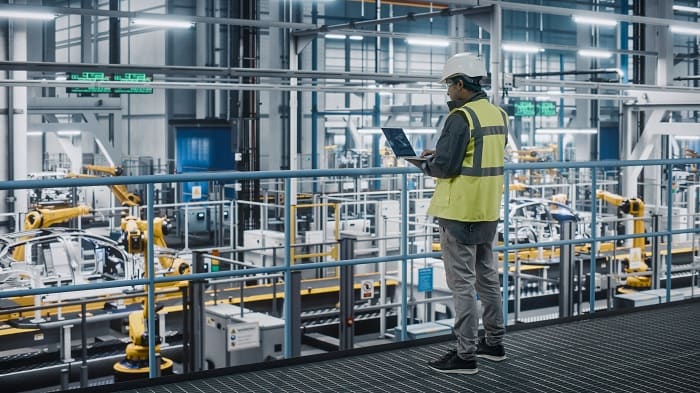
New research from Hanwha Vision, the global vision solution provider, has found that well over one-third (37%) of European manufacturers are turning to AI-enabled video as a means of solving their business challenges.

This exceeds the number who favour established industrial technologies such as automation and robotics (32%) and places AI video alongside 5G, the Internet of Things (IoT) and other technologies as key means of solving challenges.

A further one in two (52%) manufacturers plan to use AI-enabled video to notify operators of plant and equipment failure, while over 45% plan to deploy it to identify blockages or queued items on production lines, as well as spot manufacturing errors in finished goods leaving production lines.

AI-enabled video combines networked video cameras with AI to automatically detect and classify objects and their specific attributes. Using algorithms built into the camera, it can alert users when specific behaviours are identified – such as a warehouse operator not wearing safety gear or an unexpected object on a production line.

Pread Um (Suk Bong), Product and Marketing Director at Hanwha Vision Europe, said: โ€œ2024 is poised to be the year that AI-enabled video breaks through to mainstream use. Thanks to rising awareness of AI in the mainstream and proven business successes using AI-enabled video, more manufacturers are turning to the technology to solve challenges outside of security.โ€

โ€œVideo holds huge potential in streamlining manufacturing operations, providing valuable data to inform factory strategy and planning, and helping to secure people and assets. Itโ€™s encouraging to see so many manufacturers are not just recognising this, but actively planning to adopt AI-enabled video for these uses.โ€

To better understand leadersโ€™ attitudes towards AI-enabled video in the post-ChatGPT era, Hanwha Vision conducted research among 1,000 individuals in organisations across five European countries (UK, Netherlands, Italy, Germany and France). Operations and security leaders were questioned on the technologies they will adopt to address a range of strategic business challenges, such as finding new efficiencies, introducing new processes and controlling costs.

This more โ€œintelligentโ€ use of video marks a dramatic shift from the security function that CCTV, as it was formerly known, has historically fulfilled. Indeed, the traditional role of video cameras in โ€œmaintaining a safe and secure environment” is cited by far fewer respondents in Hanwha Visionโ€™s research (26%).

While the research found that AI-enabled video technology is finding favour with a wide business audience, it also unearthed potential barriers to adoption by manufacturers. Chief among these was the imagined need for training in the technology, cited by 40% of respondents overall. Yet investing in intuitive video systems that work โ€œout-of-the-boxโ€ can vastly reduce the amount of training and technical knowledge required by operators to use AI-enabled video.

Another potential barrier to adoption lies, perhaps unsurprisingly, in concerns around cybersecurity. Not unique to video technology, this might reflect wider concerns about data security and the potential for networked devices to be compromised. Working with responsible manufacturers that have a longstanding commitment to cybersecurity best practices and are compliant with the National Defense Authorization Act (NDAA) will help address such concerns.

Packaging World Insights brings together the global packaging industry โ€” from materials innovators and design specialists to brand managers and supply chain leaders โ€” through trusted editorial, market intelligence, and digital engagement.

Our 2026 Media Pack offers integrated solutions to reach your audience:

  • Magazine & Digital Editions Showcase your brand within premium packaging industry coverage read by executives and decision - makers worldwide.
  • Industry Insights & Reports Align with data - driven analy sis, trend reports, and regional roundups across the global packaging and consumer goods value chain.
  • Brand Authority & Credibility Position your company as a thought leader through expert commentary, interviews, and special features.
China Brew China Beverage 2026

Latest stories

Related stories

Smart Food Packaging Advancing Supply Chain Visibility

Analyzing the impact of intelligent packaging technologies on modern logistics, emphasizing how real-time data, sensors, and connected systems enhance transparency, reduce food waste, and ensureโ€ฆ

Sustainable Packaging Supporting Regenerative Food Systems

Exploring the synergy between restorative agricultural practices and innovative packaging solutions that aim to restore natural ecosystems, enhance biodiversity, and create a truly sustainable foodโ€ฆ

Circular Packaging Models Reducing Food Industry Waste

Examining the transition from linear to circular packaging systems within the food industry, highlighting how design innovation, material recovery, and closed-loop logistics work together toโ€ฆ

Packaging Innovation for Climate Resilient Food Chains

Exploring how cutting-edge packaging technologies are being developed to protect global food supplies from the growing threats of climate change, ensuring product integrity, reducing spoilage,โ€ฆ

Subscribe

- Never miss a story with notifications

- Gain full access to our premium content

- Browse free from any location or device.

Media Packs

Expand Your Reach With Our Customized Solutions Empowering Your Campaigns To Maximize Your Reach & Drive Real Results!

โ€“ Access the Media Pack Now

โ€“ Book a Conference Call

โ€“ Leave Message for Us to Get Back

Translate ยป