

























Cloud-Based Label Asset Management in Supply Chains
The digital transformation of supply chain operations has positioned cloud based label asset management as a cornerstone technology for modern logistics and distribution networks. These sophisticated platforms deliver unprecedented visibility, control, and collaboration capabilities that address the complex labeling requirements of global supply chains while supporting operational efficiency and regulatory compliance across diverse industry sectors.
Foundations of Cloud-Based Label Management Systems
Traditional label management approaches relied heavily on decentralized, standalone systems that created information silos and limited collaboration opportunities across supply chain partners. Cloud based label asset management represents a paradigm shift toward centralized platforms that provide universal access to labeling resources, templates, and production data from any location with internet connectivity.
These comprehensive platforms integrate multiple aspects of label lifecycle management, including design collaboration, version control, production scheduling, and quality assurance monitoring. The centralized architecture ensures that all stakeholders access current label versions and specifications, eliminating the costly errors and delays associated with outdated or incorrect labeling information.
Modern cloud-based systems incorporate advanced database technologies that can handle vast amounts of labeling data while maintaining rapid access speeds and reliable performance. These platforms support complex relational data structures that connect labeling requirements with product specifications, regulatory compliance data, and supply chain logistics information. The integration creates comprehensive visibility that enables informed decision-making and proactive issue resolution.
Real-time synchronization capabilities ensure that changes made to label designs or specifications are immediately available to all authorized users throughout the supply chain network. This instantaneous communication eliminates the delays and inconsistencies that characterized traditional label management approaches where updates required manual distribution and verification processes.
Collaborative Design and Version Control
Cloud-based platforms revolutionize label design collaboration by providing integrated tools that enable multiple stakeholders to contribute to label development processes simultaneously. Design teams, regulatory specialists, brand managers, and production personnel can collaborate effectively regardless of their physical locations or time zones. These platforms incorporate sophisticated version control mechanisms that track all modifications and maintain complete audit trails.
Advanced approval workflows within cloud-based systems automate the review and authorization processes that ensure label accuracy and regulatory compliance. These workflows can be customized to reflect organizational hierarchies and regulatory requirements, automatically routing label designs through appropriate review stages while maintaining detailed records of all approvals and modifications.
Change management capabilities provide comprehensive tracking of label modifications throughout their lifecycle, enabling organizations to understand the evolution of labeling requirements and identify patterns that may influence future design decisions. These historical records support continuous improvement initiatives and provide valuable insights for strategic planning purposes.
Integration with external design tools and corporate asset management systems creates seamless workflows that leverage existing investments while enhancing collaboration capabilities. These integrations enable design teams to work within familiar environments while benefiting from the enhanced collaboration and version control capabilities of cloud-based platforms.
Supply Chain Integration and Data Management
The integration of cloud based label asset management with enterprise resource planning systems creates comprehensive visibility into production requirements, inventory levels, and supply chain logistics that enables optimized labeling operations. These integrations provide real-time access to product specifications, regulatory requirements, and shipping destinations that ensure appropriate labeling for each application.
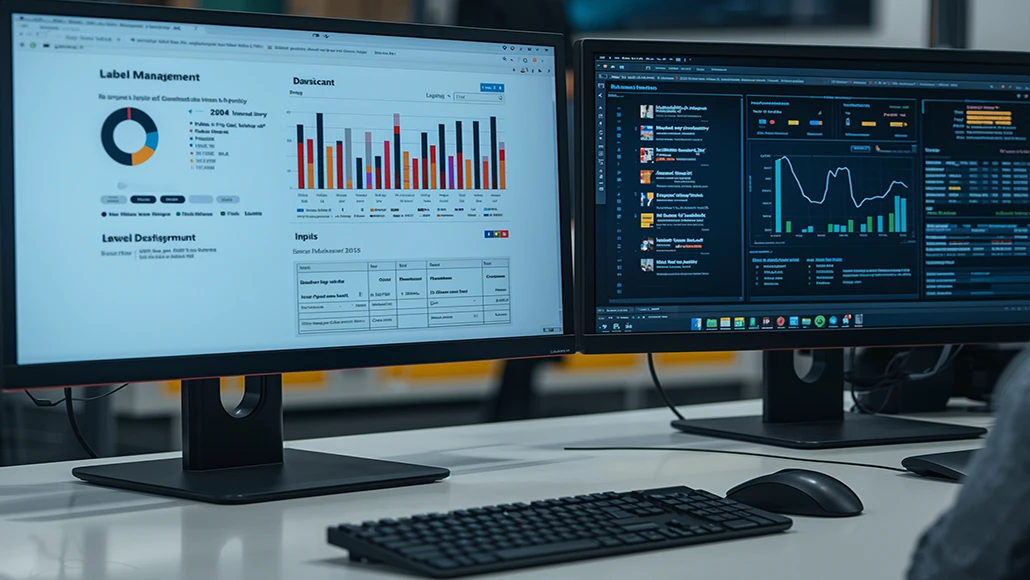
Advanced analytics capabilities within cloud-based systems analyze labeling usage patterns, production efficiency metrics, and quality performance indicators to identify optimization opportunities. These insights enable organizations to reduce labeling costs, improve production efficiency, and enhance overall supply chain performance through data-driven decision making.
Multi-language support capabilities address the complex requirements of global supply chains where products may require labeling in multiple languages depending on destination markets and regulatory requirements. Cloud-based systems can automatically generate appropriate language versions based on shipping destinations while maintaining consistent design standards and brand compliance.
Traceability features provide comprehensive tracking of labeled products throughout the supply chain, enabling rapid response to quality issues or regulatory inquiries. These capabilities support product recall procedures and provide the detailed documentation required for regulatory compliance in highly regulated industries.
Security and Compliance Management
Enterprise-grade security features protect sensitive labeling information and ensure compliance with data protection regulations while maintaining the accessibility and collaboration benefits of cloud-based platforms. Multi-factor authentication, encryption protocols, and access control mechanisms prevent unauthorized access while supporting legitimate business requirements.
Regulatory compliance support addresses the complex requirements of industries such as pharmaceuticals, food and beverages, and chemicals where labeling accuracy is critical for public safety and legal compliance. Cloud-based systems incorporate regulatory databases and validation tools that ensure label accuracy and completeness according to applicable standards and regulations.
Disaster recovery and business continuity features ensure that labeling operations can continue even during system failures or natural disasters. Cloud-based platforms typically incorporate redundant data storage, automatic backup procedures, and rapid recovery capabilities that minimize disruption to labeling operations and protect critical business information.
Audit trail capabilities provide comprehensive documentation of all system activities, including user access, label modifications, and approval processes. These detailed records support internal audits, regulatory inspections, and quality management initiatives while providing transparency into labeling operations.
Implementation Strategies and Best Practices
Successful implementation of cloud based label asset management requires careful planning and consideration of organizational needs, technical requirements, and change management challenges. Organizations must evaluate their current labeling processes, identify improvement opportunities, and develop implementation strategies that minimize disruption while maximizing benefits.
Training and change management initiatives are critical success factors that ensure effective adoption of cloud-based systems throughout the organization. Comprehensive training programs must address technical skills, process changes, and cultural adaptations required for successful implementation. Change management strategies should address resistance to new technologies and demonstrate the benefits of cloud-based approaches.
Data migration strategies must ensure accurate transfer of existing labeling information to cloud-based platforms while maintaining data integrity and accessibility throughout the transition period. These strategies should address data cleansing, format conversion, and validation requirements that ensure seamless continuity of labeling operations.
Integration planning addresses the technical and procedural requirements for connecting cloud-based label management systems with existing enterprise systems, production equipment, and partner networks. These integrations should be designed to enhance existing capabilities while minimizing complexity and maintenance requirements.
Performance Optimization and Scalability
Cloud-based platforms provide inherent scalability that enables organizations to expand their labeling operations without significant infrastructure investments. These systems can accommodate growing data volumes, increasing user populations, and expanding supply chain networks while maintaining performance and reliability standards.
Performance monitoring capabilities provide real-time visibility into system performance metrics and user activity patterns that enable proactive optimization and capacity planning. These capabilities help organizations identify bottlenecks, optimize resource allocation, and plan for future growth requirements.
Load balancing and distributed processing capabilities ensure consistent performance even during peak usage periods or when handling complex labeling operations. These technical capabilities enable organizations to maintain productivity levels regardless of demand fluctuations or operational complexity.
Continuous improvement processes leverage performance data, user feedback, and technology advances to enhance system capabilities and optimize operations. These processes ensure that cloud-based label management systems continue to deliver value and support evolving business requirements.
Future Developments and Strategic Considerations
The evolution of cloud based label asset management continues toward greater integration with emerging technologies including artificial intelligence, blockchain, and Internet of Things capabilities. These advanced technologies may enable enhanced automation, improved decision-making, and expanded traceability capabilities that further enhance supply chain visibility and control.
Artificial intelligence integration may enable automated label design optimization, predictive maintenance scheduling, and intelligent quality control that reduces human intervention while improving accuracy and efficiency. Machine learning algorithms could analyze historical data to predict labeling requirements and optimize resource allocation.
Blockchain technology integration could provide enhanced traceability and authenticity verification capabilities that address growing concerns about product counterfeiting and supply chain security. These capabilities may become increasingly important in high-value or safety-critical applications where label integrity is paramount.
The continued evolution of cloud technologies and increasing emphasis on supply chain visibility position cloud-based label asset management as an essential capability for organizations seeking to maintain competitive advantages in increasingly complex and demanding market environments. Organizations that invest in these technologies position themselves for sustained success in evolving marketplace conditions.

