





















The optimization of maintenance strategies for label lines represents a critical factor in achieving sustainable production efficiency, cost control, and competitive advantage in modern manufacturing environments. Effective maintenance strategies for label lines require comprehensive approaches that integrate predictive technologies, preventive procedures, and responsive support systems to maximize equipment availability while minimizing operational disruptions.
Predictive Maintenance Technologies and Implementation
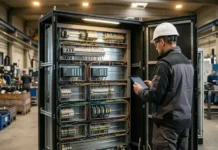
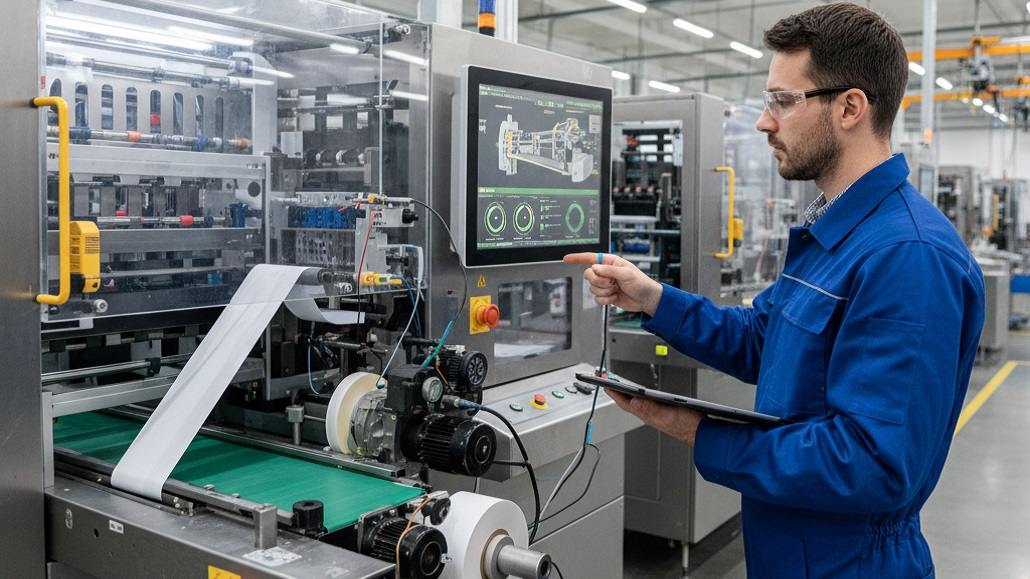
Advanced predictive maintenance systems utilize sophisticated sensor technologies and data analytics to monitor equipment condition continuously and predict maintenance requirements before failures occur. These systems incorporate vibration analysis, thermal imaging, oil analysis, and electrical parameter monitoring to assess the health of critical components including motors, bearings, gears, and control systems.
Machine learning algorithms analyze historical performance data, environmental conditions, and operational parameters to identify patterns that precede equipment failures. These predictive models become increasingly accurate over time as they accumulate more operational data, enabling more precise prediction of maintenance requirements and optimal timing for interventions.
Integration of Internet of Things technologies enables remote monitoring capabilities that provide real-time visibility into equipment performance from multiple locations. These systems can alert maintenance personnel to developing issues while providing detailed diagnostic information that supports efficient problem resolution and parts procurement.
Condition-based monitoring systems continuously evaluate key performance indicators and automatically adjust maintenance schedules based on actual equipment condition rather than predetermined time intervals. This approach optimizes maintenance resource utilization while reducing the risk of unexpected failures and extending equipment service life.
Preventive Maintenance Program Development
Comprehensive preventive maintenance programs establish systematic approaches to equipment care that address the specific requirements of label printing and application systems. These programs incorporate manufacturer recommendations, historical failure data, and operational experience to develop maintenance schedules that optimize equipment availability while controlling maintenance costs.
Critical component identification processes evaluate the failure impact and replacement costs of various system components to prioritize maintenance attention and resource allocation. These analyses ensure that maintenance efforts focus on components where failures would have the greatest operational impact or cost consequences.
Maintenance task standardization creates consistent procedures that ensure thorough and effective maintenance regardless of which technician performs the work. Standardized procedures include detailed checklists, required tools and materials, safety requirements, and quality verification steps that maintain consistency and effectiveness.
Maintenance scheduling optimization balances maintenance requirements with production demands to minimize disruptions while ensuring adequate equipment care. Advanced scheduling systems consider production forecasts, equipment criticality, and resource availability to optimize maintenance timing and resource allocation.
Technology Integration and Digital Systems
Digital maintenance management systems provide centralized platforms for maintenance planning, execution tracking, and performance analysis that enhance overall maintenance effectiveness. These systems integrate with enterprise resource planning platforms to coordinate maintenance activities with production schedules, inventory management, and financial planning.
Mobile maintenance applications enable technicians to access work orders, equipment histories, and technical documentation while performing maintenance tasks. These applications streamline data collection, improve accuracy of maintenance records, and facilitate communication between maintenance personnel and management.
Augmented reality technologies provide technicians with visual guidance and real-time information overlay during maintenance procedures. These systems can display equipment schematics, maintenance procedures, and diagnostic information directly on technician headsets or mobile devices, improving efficiency and reducing errors.
Automated inventory management systems monitor spare parts consumption patterns and automatically generate replenishment orders based on usage forecasts and lead time requirements. These systems ensure parts availability while optimizing inventory carrying costs and storage requirements.
Quality Control and Performance Monitoring
Real-time quality monitoring systems continuously evaluate label printing quality, application accuracy, and overall system performance to identify developing issues before they impact product quality or production efficiency. These systems utilize machine vision, spectrophotometry, and other advanced measurement technologies to assess multiple quality parameters simultaneously.
Performance benchmarking establishes baseline performance metrics and identifies trends that may indicate developing maintenance needs or opportunities for optimization. These benchmarks enable proactive maintenance planning and support continuous improvement initiatives that enhance overall equipment effectiveness.
Automated data collection systems gather comprehensive performance information including production rates, quality metrics, downtime incidents, and maintenance activities. This data supports analysis of maintenance effectiveness and identification of improvement opportunities.
Root cause analysis procedures ensure that maintenance activities address underlying causes of equipment problems rather than just addressing symptoms. These systematic approaches prevent recurring failures while optimizing maintenance resource utilization.
Spare Parts Management and Supply Chain Optimization
Strategic spare parts inventory management balances parts availability with carrying costs while ensuring rapid response to maintenance requirements. Advanced inventory management systems utilize consumption history, lead time data, and criticality assessments to optimize stocking levels and reorder points.
Supplier relationship management ensures reliable access to high-quality spare parts while optimizing procurement costs and lead times. Strategic partnerships with equipment manufacturers and parts suppliers provide preferential access to components while supporting predictive maintenance initiatives.
Alternative parts evaluation and qualification processes identify cost-effective alternatives to original equipment manufacturer parts while maintaining quality and performance standards. These programs can significantly reduce maintenance costs while ensuring continued equipment reliability.
Emergency procurement procedures ensure rapid access to critical components during unexpected failures. These procedures may include expedited shipping arrangements, emergency supplier contacts, and temporary repair solutions that minimize downtime while permanent repairs are implemented.
Training and Workforce Development
Comprehensive training programs ensure that maintenance personnel possess the knowledge and skills required for effective maintenance of complex label production systems. These programs address both technical skills and safety requirements while adapting to evolving equipment technologies and maintenance methodologies.
Skill development initiatives provide ongoing education that keeps maintenance personnel current with advancing technologies and best practices. These initiatives may include manufacturer training programs, industry certifications, and internal knowledge sharing sessions.
Cross-training programs develop versatile maintenance capabilities that provide operational flexibility and reduce dependence on individual specialists. These programs ensure adequate maintenance coverage during personnel absences while providing career development opportunities.
Safety training programs ensure that maintenance personnel understand and follow appropriate safety procedures while working on potentially hazardous equipment. These programs address lockout-tagout procedures, confined space entry, chemical handling, and other safety considerations specific to label production environments.
Cost Management and Financial Optimization
Maintenance cost tracking and analysis systems provide visibility into maintenance expenses and identify opportunities for cost optimization without compromising equipment availability or performance. These systems analyze labor costs, parts expenses, and operational impacts to evaluate maintenance effectiveness and efficiency.
Total cost of ownership analysis considers not only maintenance costs but also operational impacts, productivity effects, and quality implications when evaluating maintenance strategies and equipment investments. This comprehensive approach ensures optimal decision-making that balances multiple cost factors.
Budget planning and forecasting processes utilize historical data and predictive models to develop accurate maintenance budgets that support both routine maintenance requirements and potential emergency repairs. Effective budgeting ensures adequate resources while avoiding excessive inventory or staffing levels.
Return on investment calculations for maintenance improvements and equipment upgrades provide quantitative justification for capital investments in maintenance technologies and capabilities. These analyses consider productivity improvements, quality enhancements, and cost reductions when evaluating potential investments.
Continuous Improvement and Optimization
Performance measurement systems track key indicators including equipment availability, mean time between failures, maintenance costs, and overall equipment effectiveness to assess maintenance program performance and identify improvement opportunities. These metrics support data-driven decision making and continuous optimization efforts.
Best practice identification and implementation processes capture successful maintenance approaches and disseminate them throughout the organization. These knowledge management systems ensure that effective practices are shared and standardized across all maintenance activities.
Technology advancement evaluation ensures that maintenance programs adapt to incorporate new technologies and methodologies that can improve effectiveness or efficiency. Regular assessment of emerging maintenance technologies supports strategic planning and competitive advantage maintenance.
Benchmarking against industry standards and best practices provides external perspectives on maintenance performance and identifies opportunities for improvement. These comparisons support strategic planning and ensure that maintenance programs remain competitive and effective.
The comprehensive integration of these maintenance strategies for label lines creates robust systems that maximize equipment availability while controlling costs and supporting sustainable competitive advantages in dynamic manufacturing environments. Organizations that invest in advanced maintenance approaches position themselves for continued success in increasingly demanding operational conditions where reliability and efficiency are paramount.