






















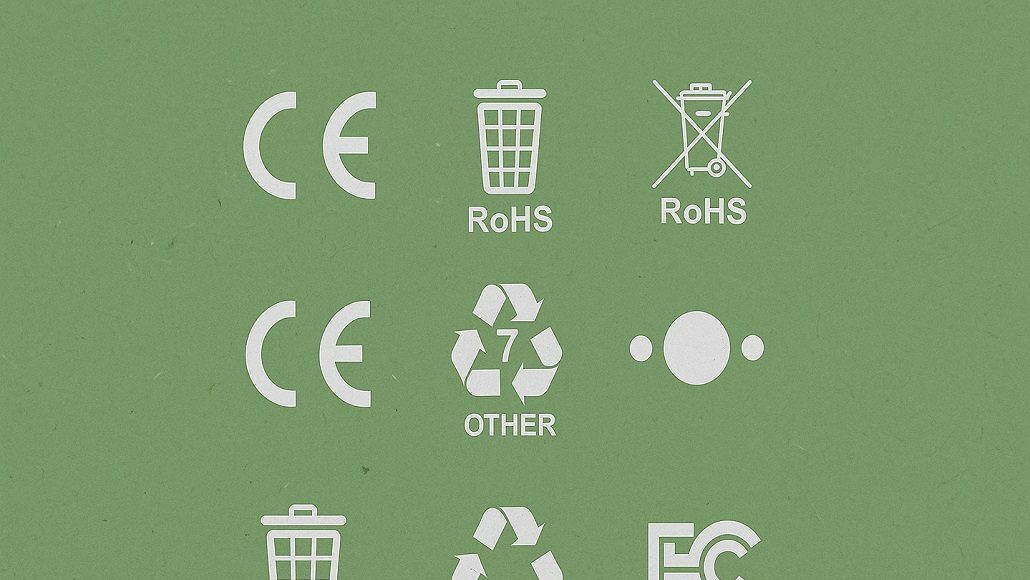

Navigating the Regulatory Landscape: Compliance Challenges in Sustainable Packaging
The global regulatory environment surrounding sustainable packaging has evolved into a complex framework of interconnected requirements that demand strategic navigation and proactive compliance management. As governments worldwide implement increasingly stringent packaging waste regulations and sustainability mandates, organizations face unprecedented challenges in maintaining market access while adapting to rapidly evolving compliance requirements. Understanding and successfully managing compliance in sustainable packaging has become essential for business continuity, market expansion, and competitive advantage in today’s environmentally conscious marketplace.
Overview of Global Packaging Regulations
The international regulatory landscape for packaging has undergone dramatic transformation as environmental concerns drive comprehensive policy reform across major markets. The European Union’s Packaging and Packaging Waste Regulation (PPWR), which entered into force in February 2025, exemplifies the shift toward binding measures on prevention, reuse, and recycled content while establishing recyclability as a minimum market access requirement.
Contemporary packaging regulations encompass the entire packaging lifecycle from raw material sourcing through end-of-life management, requiring organizations to demonstrate compliance across multiple operational dimensions. These comprehensive frameworks address packaging specifications including composition, size, and weight limitations, while establishing performance standards for recyclability, biodegradability, and environmental impact.
The scope of modern packaging regulations extends beyond traditional manufacturing concerns to encompass supply chain transparency, consumer education, and extended producer responsibility. Regulatory frameworks increasingly hold brand owners and retailers accountable for packaging environmental impacts, regardless of their direct involvement in packaging production or distribution.
Global regulatory development reveals that 29 out of 30 studied countries have initiated sustainable packaging legislation discussions and implementation processes. These regulatory initiatives predominantly focus on plastic materials, with 83% of sustainable packaging measures worldwide specifically targeting plastic packaging applications and waste reduction.
Extended Producer Responsibility programs have emerged as central regulatory mechanisms, with 28 out of 30 countries implementing or developing collection, sorting, and EPR schemes. These programs shift financial and operational responsibility for packaging lifecycle management from municipalities to producers, creating direct economic incentives for sustainable packaging design.
Regulatory harmonization challenges create additional complexity as obligations vary significantly across countries and even at state and provincial levels. Individual nations implement distinct packaging requirements around marking, recycling, and material composition, creating substantial compliance burdens for companies operating across multiple jurisdictions.
Compliance Challenges Across Regions
Regional variation in packaging regulations creates multifaceted compliance challenges that require sophisticated management strategies and detailed regulatory monitoring systems. The European Union’s comprehensive PPWR establishes some of the world’s most stringent packaging requirements, mandating that all packaging placed on EU markets be reusable or recyclable by 2030.
The PPWR introduces binding restrictions on single-use plastics including pre-packed fruits and vegetables weighing less than 1.5 kg and individual condiment portions in food service applications. These specific prohibitions require immediate operational adjustments and alternative packaging development for affected products and services.
Mandatory recycled content targets within the PPWR create progressive compliance requirements with escalating percentages required through 2030 and 2040. These targets necessitate secure access to recycled material supplies while maintaining packaging performance standards and food safety requirements.
United States packaging regulations operate through a complex patchwork of federal and state-level requirements, with individual states implementing distinct approaches to plastic bans, recycling targets, and extended producer responsibility programs. California and New York have established particularly stringent requirements that often serve as models for other jurisdictions.
Asian markets including China, India, and Japan are implementing increasingly sophisticated packaging regulations that emphasize waste reduction, recycling infrastructure development, and sustainable material adoption. China’s Green Packaging Guidelines target excessive packaging, particularly in e-commerce and food service sectors.
The United Kingdom’s Plastic Packaging Tax creates financial penalties for packaging containing less than 30% recycled content, while broader packaging waste regulations establish collection and recycling targets that affect all market participants. These overlapping requirements create complex compliance matrices for international operations.
Emerging markets across Africa, South America, and Southeast Asia are rapidly developing packaging regulations that often incorporate elements from established frameworks while addressing regional waste management capabilities and economic development priorities. These evolving requirements create ongoing compliance monitoring demands.
Adopting Sustainable Practices
Strategic adoption of sustainable packaging practices provides the most effective approach to managing complex regulatory compliance requirements while creating competitive advantages through environmental leadership and operational efficiency improvements. Proactive sustainability implementation often exceeds regulatory minimums, providing buffer capacity for future requirement increases.
Design for compliance strategies integrate regulatory requirements directly into packaging development processes, ensuring that new packaging solutions meet current and anticipated future regulatory standards across target markets. This approach minimizes retrofit costs and accelerates time-to-market for compliant packaging solutions.
Material selection frameworks that prioritize renewable resources, recycled content, and established recyclability provide robust foundations for regulatory compliance while supporting circular economy objectives. Advanced material innovations including bio-based polymers and biodegradable alternatives often exceed regulatory requirements while delivering enhanced environmental performance.
Supply chain collaboration enables comprehensive compliance management by engaging packaging suppliers, waste management partners, and retail customers in coordinated sustainability initiatives. These partnerships create shared responsibility systems that distribute compliance costs while improving overall system performance.
Technology integration including lifecycle assessment tools, compliance tracking systems, and automated reporting platforms streamlines regulatory management while providing real-time visibility into compliance status across multiple jurisdictions. These digital solutions reduce administrative burdens while improving accuracy and audit readiness.
Stakeholder engagement programs that include consumer education, regulatory authority communication, and industry collaboration support compliance objectives while building brand reputation and market acceptance for sustainable packaging initiatives. These programs often generate valuable feedback that improves packaging design and performance.
Continuous improvement methodologies ensure that sustainable packaging practices evolve with changing regulatory requirements and advancing technology capabilities. Regular performance assessment and optimization activities maintain compliance effectiveness while identifying opportunities for cost reduction and environmental impact improvement.
Avoiding Legal Pitfalls in Packaging
Effective legal risk management in sustainable packaging requires comprehensive understanding of regulatory requirements, proactive compliance monitoring, and strategic response planning for regulatory changes. The complex and evolving nature of packaging regulations creates significant legal exposure for organizations that fail to maintain current compliance.
Regulatory interpretation challenges arise from technical language, overlapping jurisdictions, and evolving enforcement approaches that create uncertainty about specific compliance requirements. Professional legal consultation and regulatory expertise become essential resources for navigating these interpretive complexities.
Documentation and audit trail maintenance provide critical protection against compliance violations while supporting regulatory reporting requirements. Comprehensive record-keeping systems must capture material sourcing, design decisions, performance testing, and waste management activities across packaging lifecycles.
Penalty structures for packaging regulation violations range from financial fines averaging 2-4% of annual revenue in major markets to market access restrictions that can eliminate products from entire jurisdictions. These severe consequences underscore the importance of proactive compliance management and legal risk mitigation.
Cross-border compliance coordination requires sophisticated understanding of international trade regulations, material safety standards, and environmental requirements that vary significantly across markets. Professional customs and regulatory consulting services often provide essential expertise for complex international operations.
Intellectual property considerations in sustainable packaging include patent landscapes around innovative materials, design solutions, and processing technologies. Freedom-to-operate analysis becomes important when implementing cutting-edge sustainable packaging solutions that may involve proprietary technologies.
Contract management with suppliers, customers, and waste management partners must address regulatory compliance responsibilities, liability allocation, and performance standards that support overall compliance objectives. Clear contractual frameworks prevent disputes while ensuring coordinated compliance across supply chain relationships.
Recommendations for Industry Players
Strategic recommendations for successfully navigating sustainable packaging compliance challenges emphasize proactive planning, collaborative approaches, and technology integration that create resilient compliance systems capable of adapting to evolving regulatory requirements.
Regulatory monitoring systems should incorporate automated tracking of legislative developments, enforcement actions, and industry guidance across all relevant jurisdictions. These systems enable early identification of emerging requirements and adequate preparation time for compliance implementation.
Cross-functional compliance teams that include legal, technical, supply chain, and marketing expertise provide comprehensive perspectives on regulatory requirements and implementation strategies. These integrated teams ensure that compliance solutions support business objectives while meeting all regulatory obligations.
Industry association participation provides access to regulatory development information, best practice sharing, and collective advocacy opportunities that influence regulatory outcomes. Active engagement in industry organizations often provides early insight into regulatory trends and implementation approaches.
Supplier qualification and monitoring programs ensure that packaging material suppliers maintain compliance with relevant regulations while supporting overall supply chain sustainability objectives. These programs should include regular audits, performance metrics, and continuous improvement requirements.
Customer education and engagement initiatives help downstream partners understand regulatory requirements and implement appropriate handling, labeling, and disposal practices. These programs reduce compliance risks while building stronger customer relationships through shared sustainability commitments.
Investment in sustainable packaging research and development creates competitive advantages while building capabilities that exceed current regulatory requirements. This forward-looking approach provides flexibility to adapt to future regulatory changes while establishing market leadership positions.
The regulatory landscape for sustainable packaging will continue evolving as environmental concerns intensify and technology capabilities advance. Organizations that proactively address compliance challenges through strategic planning, collaborative partnerships, and innovative solutions will establish sustainable competitive advantages while contributing to global environmental protection objectives.
Successful compliance in sustainable packaging requires viewing regulatory requirements as strategic opportunities rather than operational burdens. Companies that embrace this perspective often discover that compliance-driven innovations create value through improved efficiency, enhanced brand reputation, and expanded market access. The convergence of regulatory pressure and market opportunity ensures that sustainable packaging compliance will remain a critical business capability that distinguishes market leaders from competitors.