






















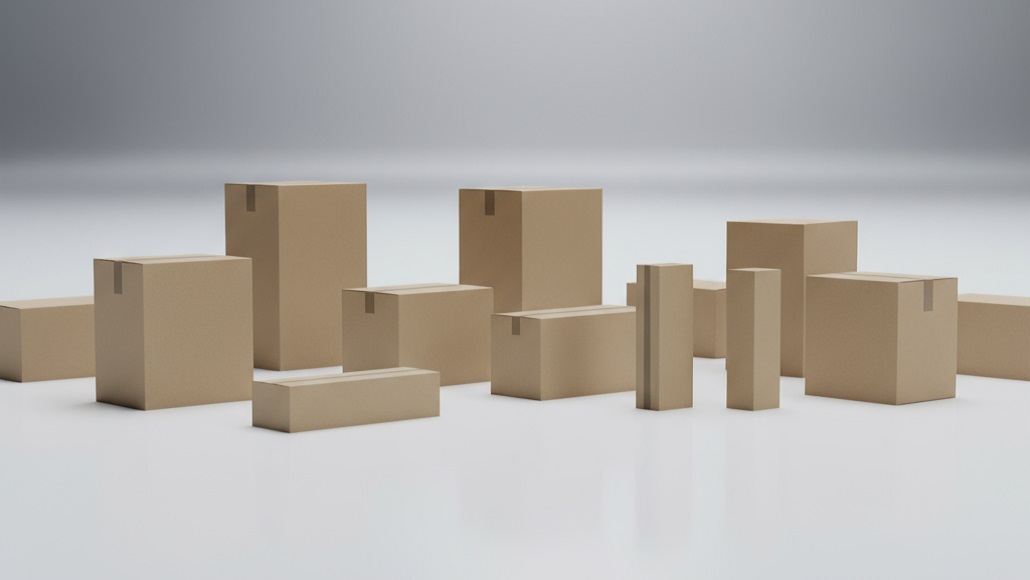

What is Minimalist Packaging?
Design Principles of Minimalism
Minimalist packaging design represents a fundamental shift from complex, cluttered product presentations toward refined, purposeful aesthetics that prioritize clarity and functionality. This design philosophy embraces the principle that less can indeed be more, creating powerful visual impact through strategic simplification rather than elaborate ornamentation.
The essence of minimalist packaging design lies in its commitment to essential elements while eliminating unnecessary components. This approach involves stripping away excessive materials, graphics, and textual content, retaining only what serves a meaningful purpose in protecting the product and communicating vital information. The result creates packaging that speaks through subtlety rather than overwhelming visual elements.
Contemporary minimalist packaging typically employs clean lines, generous white space, and carefully curated color palettes to establish visual hierarchy and brand recognition. These design choices work together to create packaging that feels intentional, confident, and sophisticated, appealing to consumers who value clarity over complexity.
Core Design Philosophy
The minimalist packaging approach operates on the foundational belief that effective design should prioritize function over decorative elements. This philosophy requires designers to carefully consider each component’s necessity, ensuring that every element serves a specific purpose in the overall packaging strategy.
Successful minimalist packaging achieves visual impact through strategic use of space, form, and color rather than relying on busy graphics or excessive textual information. This approach demands greater attention to proportion, typography, and material selection, as fewer elements must work harder to communicate brand values and product benefits.
The psychological appeal of minimalist packaging stems from its ability to provide visual rest in an increasingly cluttered marketplace. When consumers encounter packaging that embraces simplicity, they often perceive it as more trustworthy, premium, and environmentally conscious compared to heavily decorated alternatives.
Functional and Aesthetic Appeal
The success of minimalist packaging design depends heavily on achieving the perfect balance between functional requirements and aesthetic appeal. This balance requires careful consideration of how simplified design elements can effectively protect products while creating memorable brand experiences.
Material Selection and Quality
Minimalist packaging places greater emphasis on material quality since fewer decorative elements exist to mask inferior construction. High-quality materials such as recycled paper, sustainable cardboard, and premium substrates become essential components in creating packaging that communicates value through tactile experience rather than visual complexity.
The selection of appropriate materials directly influences consumer perception of product quality and brand positioning. When packaging utilizes fewer materials while maintaining protective functionality, it demonstrates thoughtful engineering and environmental consciousness that resonates with modern consumer values.
Premium materials gain additional significance in minimalist design because they must carry the primary responsibility for communicating brand positioning. A matte kraft paper finish, soft-touch lamination, or embossed logo can provide luxury appeal without requiring elaborate graphic treatments.
Typography and Hierarchy
In minimalist packaging design, typography assumes critical importance as one of the primary vehicles for brand communication. The careful selection of typefaces, sizing, and spacing creates visual hierarchy that guides consumer attention toward essential information while maintaining aesthetic appeal.
Typography in minimalist packaging must achieve multiple objectives simultaneously: ensuring readability, expressing brand personality, and creating visual interest without overwhelming the design. This requires selecting typefaces that possess sufficient character to stand alone while maintaining clarity across various viewing distances and conditions.
The strategic use of typography weight, size, and positioning creates emphasis and flow that replaces the visual hierarchy traditionally achieved through multiple graphic elements. Bold typography might highlight product benefits, while subtle text provides necessary regulatory information without disrupting the overall aesthetic.
Color Psychology and Restraint
Color selection in minimalist packaging requires exceptional strategic thinking since limited palettes must accomplish what previously required elaborate color schemes. Most successful minimalist designs utilize one or two primary colors, often incorporating significant amounts of white space to create breathing room and visual clarity.
The psychological impact of color becomes more pronounced in minimalist designs because fewer visual elements compete for attention. A carefully selected color palette can evoke specific emotions, communicate brand values, and establish product positioning more effectively than complex multicolor schemes.
Neutral tones such as white, black, and gray frequently dominate minimalist packaging because they convey modernity, sophistication, and timelessness. However, strategic use of accent colors can create focal points and brand recognition while maintaining overall design restraint.
Consumer Perception and Influence
Consumer response to minimalist packaging reflects broader cultural shifts toward valuing authenticity, sustainability, and mindful consumption. Research consistently demonstrates that consumers increasingly prefer brands that demonstrate environmental consciousness and transparent communication through their packaging choices.
Premium Positioning and Value Perception
Minimalist packaging design often creates perception of premium quality and higher value, even when products maintain moderate price points. This psychological effect stems from consumer associations between simplicity and luxury, particularly influenced by successful premium brands that have embraced minimalist aesthetics.
The “less is more” philosophy communicates confidence in product quality, suggesting that brands don’t need elaborate packaging to sell their products. This confidence translates into consumer trust and willingness to pay premium prices for products that demonstrate quality through restraint rather than excess.
Consumers frequently interpret minimalist packaging as indication of thoughtful brand management and attention to detail. When packaging appears carefully considered and purposeful, consumers often assume similar care has been taken in product development and quality control.
Environmental Consciousness and Sustainability
Modern consumers increasingly view minimalist packaging as evidence of environmental responsibility, creating positive brand associations that extend beyond aesthetic preferences. The reduction in materials, inks, and manufacturing complexity suggests commitment to sustainability that resonates with environmentally conscious shoppers.
This perception aligns with actual environmental benefits, as minimalist packaging typically requires fewer resources to produce and creates less waste throughout its lifecycle. The alignment between consumer perception and actual environmental impact creates authentic sustainability messaging that builds genuine brand loyalty.
Consumers appreciate the honesty inherent in minimalist packaging design, viewing it as antithetical to greenwashing practices that use elaborate claims to mask inadequate environmental performance. Simple, straightforward packaging suggests authentic commitment to environmental values rather than superficial marketing approaches.
Psychological Clarity and Decision-Making
In retail environments saturated with visual noise, minimalist packaging provides psychological relief that can facilitate decision-making processes. Consumers often find simplified packaging easier to process quickly, leading to more confident purchasing decisions and reduced decision fatigue.
The clear communication hierarchy typical of minimalist packaging helps consumers rapidly identify key product information, benefits, and brand positioning. This efficiency particularly appeals to time-constrained shoppers who value packaging that respects their attention and makes product evaluation straightforward.
Research indicates that minimalist packaging can reduce cognitive load during shopping experiences, making products more accessible to consumers who might otherwise feel overwhelmed by complex packaging messages and competing visual elements.
Examples of Minimalist Packaging
Technology Industry Leadership
Apple’s packaging design represents perhaps the most influential example of minimalist packaging in contemporary commerce. The company’s approach utilizes clean lines, premium materials, and strategic white space to create unboxing experiences that reinforce brand values of innovation, quality, and attention to detail.
The success of Apple’s minimalist packaging approach demonstrates how simplified design can enhance rather than diminish product presentation. By focusing on material quality, precise proportions, and careful typography, Apple creates packaging that feels more premium than elaborate alternatives while supporting environmental goals through reduced material usage.
Apple’s packaging strategy proves that minimalist design can support premium pricing and brand positioning across diverse product categories. The consistency of their approach creates strong brand recognition and customer loyalty that extends the value of packaging investment beyond immediate sales impact.
Beauty and Personal Care Applications
Glossier has achieved remarkable success in the beauty industry through minimalist packaging that emphasizes natural beauty and authentic self-expression. Their approach utilizes soft pastel colors, simple typography, and clean layouts to create packaging that feels approachable yet sophisticated.
The brand’s minimalist aesthetic differentiates their products in a category traditionally characterized by elaborate packaging and complex messaging. By embracing simplicity, Glossier communicates confidence in their products’ effectiveness while appealing to consumers who prefer understated elegance over flashy presentation.
Aesop represents another successful application of minimalist principles in personal care packaging. Their apothecary-style amber glass bottles with minimal labeling create strong brand recognition while communicating product quality through material selection and restrained design elements.
Retail and Consumer Goods
Muji’s “no-brand” approach to packaging design demonstrates how minimalism can become a distinctive brand identity. Their plain, functional packaging communicates environmental responsibility and product focus while creating unique market positioning that differentiates them from heavily branded competitors.
The success of Muji’s approach illustrates how minimalist packaging can support broader brand philosophies centered on simplicity, functionality, and environmental consciousness. Their packaging strategy reinforces brand values while reducing costs and environmental impact.
Method’s cleaning products utilize minimalist packaging to communicate environmental friendliness and product effectiveness. Their clean designs suggest purity and environmental responsibility while making products more appealing to consumers who prefer subtle rather than aggressive marketing approaches.
The consistent success of these minimalist packaging examples across diverse industries demonstrates the broad applicability and effectiveness of simplified design approaches in creating consumer appeal, brand recognition, and business success.