










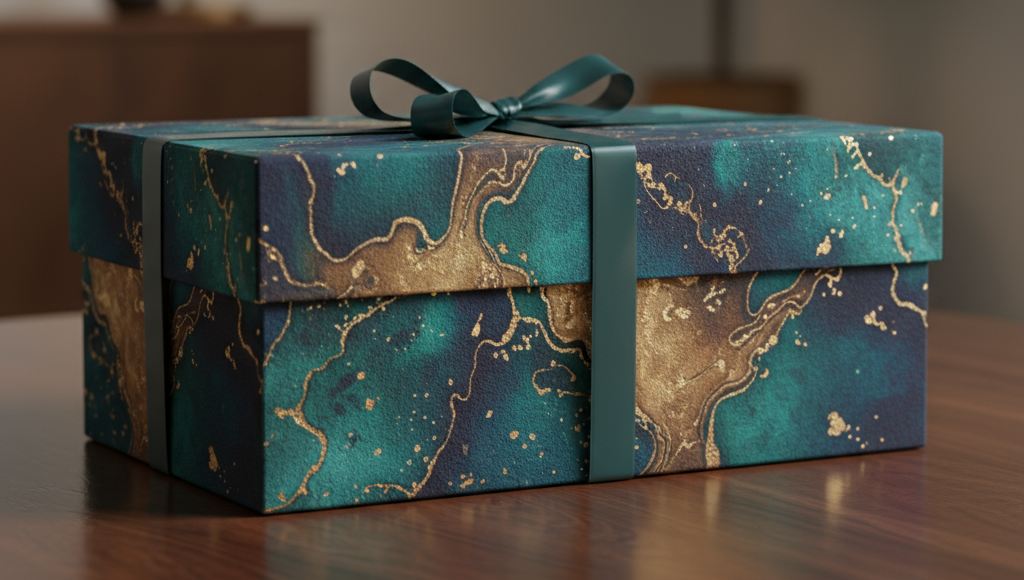

Introduction to Personalized Packaging
The evolution of personalized packaging represents one of the most significant transformations in modern consumer engagement, fundamentally altering how brands connect with individual customers and create memorable experiences. This approach transcends traditional one-size-fits-all packaging strategies by incorporating customized elements that speak directly to individual preferences, demographics, and purchase behaviors.
Personalized packaging encompasses a broad spectrum of customization approaches, from simple name inclusion to sophisticated AI-driven design systems that create unique packaging experiences for each consumer. This strategy recognizes that contemporary consumers increasingly expect brands to acknowledge their individuality and provide experiences tailored to their specific needs and preferences.
The technological advancement enabling widespread personalized packaging includes digital printing capabilities, artificial intelligence analytics, machine learning algorithms, and automated manufacturing processes. These innovations have made previously prohibitive customization approaches economically viable at scale, allowing brands to offer personalized experiences without significantly impacting production costs or operational efficiency.
Strategies for Consumer Engagement
Data-Driven Personalization
Modern personalized packaging strategies rely heavily on sophisticated data analytics to understand consumer preferences and create meaningful customization experiences. Brands collect and analyze information from purchase history, demographic data, social media interactions, and behavioral patterns to inform packaging personalization decisions.
Artificial intelligence plays an increasingly important role in processing consumer data to optimize packaging designs and fulfill individual customer demands. AI systems analyze collected information to understand preferences, optimize material utilization, and enhance consumer engagement through chatbots and personalized recommendations that inform packaging choices.
Machine learning algorithms help derive insights from gathered data to innovate packaging designs that provide enhanced experiences for customers. These systems improve connections between brands and consumers by providing error-free packaging while reducing energy consumption and raw material usage, creating more sustainable personalization approaches.
Technology Integration and Smart Packaging
Advanced personalized packaging increasingly incorporates smart technology elements that extend engagement beyond the physical package itself. QR codes, NFC tags, and augmented reality features provide consumers with access to exclusive content, product information, and interactive experiences tailored to their specific interests and purchase history.
Connected packaging technologies enable brands to create ongoing relationships with consumers that extend far beyond the initial purchase experience. These digital touchpoints provide opportunities for continued engagement, feedback collection, and relationship building that support long-term brand loyalty development.
The integration of IoT sensors and smart packaging elements allows brands to gather real-time information about product usage, environmental conditions, and consumer behavior patterns. This data creates opportunities for even more sophisticated personalization in future packaging iterations while providing valuable insights for product development and marketing strategies.
Visual and Design Customization
Contemporary personalized packaging extends far beyond simple name printing to encompass comprehensive visual customization that reflects individual consumer preferences. Advanced digital printing technologies enable brands to customize colors, patterns, imagery, and graphic elements based on consumer data and preferences.
The advancement in printing technology has significantly enhanced demand for personalized packaging by widening the scope for creating unique designs that build emotional connections with consumers. High-quality digital printing allows for intricate customization without requiring separate production runs, making personalization economically viable for diverse product categories.
Brands increasingly use personalized packaging as a marketing strategy to attract consumers and build emotional connections through visual elements that resonate with individual preferences. This approach ensures packaging materials align with consumer concerns about sustainability while providing unique experiences that differentiate products in competitive marketplaces.
Building Brand Loyalty Through Customization
Emotional Connection and Brand Relationship
Personalized packaging creates powerful emotional connections between consumers and brands by making individuals feel specifically valued and understood. When consumers receive products featuring their names, preferred colors, or design elements that reflect their personal style, they develop stronger emotional attachments to the brand experience.
The psychological impact of personalization extends beyond simple recognition to encompass feelings of exclusivity and special treatment. Consumers often perceive personalized packaging as evidence that brands understand and care about their individual needs, creating positive associations that influence future purchasing decisions and brand advocacy.
Research consistently demonstrates that personalized packaging experiences generate higher levels of customer satisfaction and loyalty compared to standard packaging approaches. Consumers who receive personalized packaging are more likely to share their experiences on social media, recommend products to friends, and make repeat purchases from the same brand.
Customer Retention and Repeat Purchasing
Personalized packaging serves as a powerful tool for customer retention by creating memorable experiences that differentiate brands from competitors offering similar products. When consumers associate positive emotions and personal recognition with specific brands, they become less likely to switch to alternatives, even when faced with competitive pricing or promotional offers.
The investment in personalized packaging often generates significant returns through increased customer lifetime value and reduced acquisition costs. Satisfied customers who feel personally connected to brands require less marketing investment to retain and are more likely to increase their purchase frequency over time.
Brands implementing personalized packaging strategies often observe improvements in customer retention rates, average order values, and overall profitability. These benefits stem from the enhanced emotional connection created through personalized experiences that make consumers feel valued and understood.
Social Media Amplification
Personalized packaging creates inherently shareable moments that generate organic social media engagement and word-of-mouth marketing. Consumers frequently photograph and share personalized packaging experiences across social media platforms, creating authentic promotional content that reaches their personal networks.
The visual appeal and uniqueness of personalized packaging make it particularly well-suited for social media sharing, where individual expression and unique experiences generate higher engagement rates than generic promotional content. This organic sharing extends brand reach and credibility through trusted personal recommendations.
User-generated content featuring personalized packaging often generates higher engagement rates and conversion potential compared to traditional advertising approaches. When consumers share positive experiences with personalized packaging, their personal networks view these recommendations as more authentic and trustworthy than brand-generated marketing messages.
Examples of Effective Personalized Packaging
Coca-Cola’s Share a Coke Campaign
Coca-Cola’s “Share a Coke” campaign remains one of the most successful examples of personalized packaging in marketing history. Launched globally, the campaign replaced the iconic Coca-Cola logo with popular personal names, creating millions of unique bottles and cans that encouraged consumers to find and share products featuring their names or those of friends and family members.
The campaign’s success stemmed from its combination of personalization with social sharing elements. QR codes on packaging enabled consumers to create virtual “Share a Coke” messages and distribute them across social media platforms, creating digital engagement that extended far beyond the physical product experience.
The results demonstrated the powerful impact of personalized packaging, generating over 18 million media impressions, a 7% increase in sales during the first year, and massive social media engagement that created lasting brand associations. The campaign successfully transformed ordinary product packaging into personalized gifts that facilitated social connection and brand engagement.
Nestlé’s Smart Baby Formula Packaging
Nestlé’s innovative approach to personalized packaging in baby formula demonstrates how customization can enhance practical functionality while building brand loyalty. The company integrated NFC tags into packaging that enabled parents to access personalized product information, feeding schedules, and reminders tailored to their specific babies’ needs and development stages.
This smart packaging solution addressed real parental concerns while creating personalized experiences that built trust and confidence in the brand. Parents could quickly access ingredient information, nutritional details, and expiration dates while receiving customized feeding reminders and purchase notifications based on their consumption patterns.
The success of this approach illustrates how personalized packaging can provide genuine value beyond aesthetic customization, creating functional benefits that enhance the customer experience while building stronger brand relationships through helpful, personalized support.
Adidas Limited Edition Sneaker Packaging
Adidas successfully implemented NFC-enabled personalized packaging for limited edition sneaker releases, creating exclusive experiences that enhanced product value and brand desirability. Customers could authenticate their purchases, access behind-the-scenes content, and receive exclusive offers through personalized digital interactions triggered by smartphone contact with NFC tags embedded in packaging.
This approach created excitement and exclusivity around product releases while providing practical benefits such as authenticity verification and personalized content access. The strategy successfully built deeper connections between the brand and sneaker enthusiasts while supporting premium pricing through enhanced perceived value.
The campaign demonstrated how personalized packaging can create comprehensive brand experiences that extend far beyond the physical product, incorporating digital elements that provide ongoing value and engagement opportunities that strengthen customer relationships over time.
Future Trends in Packaging Personalization
Artificial Intelligence and Predictive Customization
The future of personalized packaging increasingly relies on artificial intelligence systems that predict consumer preferences and create customized experiences based on behavioral patterns, purchase history, and demographic analysis. These systems enable brands to offer hyper-personalized packaging without requiring explicit customer input, creating surprise and delight through accurate preference prediction.
Advanced AI algorithms analyze vast datasets to identify personalization opportunities that individual consumers might not have explicitly requested but are likely to appreciate based on their behavior patterns and preferences. This predictive approach creates more sophisticated personalization experiences while reducing the burden on consumers to actively specify their preferences.
Machine learning systems continue improving personalization accuracy over time, learning from consumer responses to previous personalization attempts and refining future customization approaches. This iterative improvement creates increasingly relevant and appreciated personalized packaging experiences that build stronger brand relationships through demonstrated understanding of individual preferences.
Sustainable Personalization Technologies
Future personalized packaging development increasingly emphasizes environmental sustainability alongside customization capabilities. Brands are developing personalization approaches that minimize material waste, utilize eco-friendly printing technologies, and create packaging that maintains personalization appeal while supporting environmental goals.
The integration of sustainable materials with personalization technologies creates opportunities for brands to address both consumer demand for customization and environmental responsibility. Biodegradable printing inks, recyclable personalization elements, and minimal-waste production processes enable brands to offer personalized experiences without compromising environmental values.
Advanced recycling technologies and circular economy principles are being integrated into personalized packaging systems, creating solutions that provide customization while supporting long-term environmental sustainability through material reuse and waste reduction strategies.
Augmented Reality and Interactive Experiences
The convergence of personalized packaging with augmented reality technologies creates new possibilities for interactive experiences that extend personalization beyond physical packaging elements. AR-enhanced packaging enables consumers to access personalized content, virtual try-on experiences, and interactive storytelling through smartphone interactions with packaging.
These immersive experiences bridge physical and digital worlds, creating comprehensive personalized journeys that provide entertainment, education, and engagement opportunities tailored to individual consumer interests and preferences. AR integration enables packaging to become a gateway to extensive personalized digital experiences.
The development of more sophisticated AR technologies and widespread smartphone adoption creates expanding opportunities for personalized packaging that incorporates digital elements seamlessly with physical customization, creating holistic experiences that provide lasting value and memorable brand interactions.