














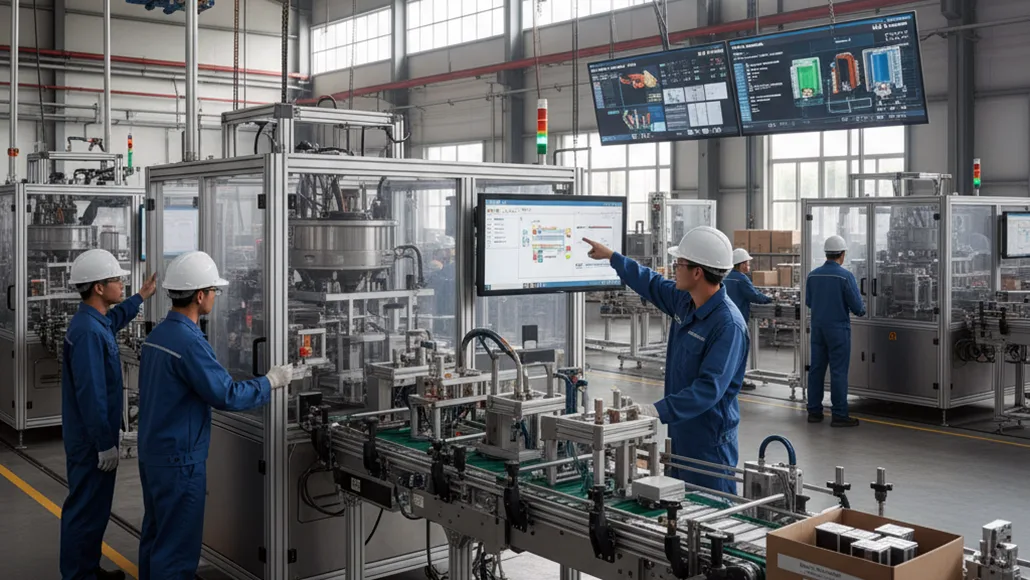

Modular and Flexible Packaging Equipment for Local Manufacturing Growth
The transformation of global manufacturing toward localized production models demands packaging equipment that can adapt rapidly to changing product requirements, market conditions, and production volumes while maintaining cost-effectiveness and operational efficiency. Modular flexible packaging equipment represents a paradigm shift from dedicated, high-volume production systems to adaptable platforms that support diverse product portfolios, rapid changeovers, and scalable capacity expansion. This technological evolution enables manufacturers to respond quickly to market opportunities while reducing capital investment risks and improving overall operational flexibility.
Local manufacturing growth driven by supply chain resilience requirements, sustainability initiatives, and consumer preferences for locally produced goods creates demand for packaging solutions that can efficiently handle smaller production runs, diverse product variations, and frequent format changes. Traditional packaging equipment designed for high-volume, single-product applications often lacks the flexibility required for local manufacturing environments where product diversity and rapid response capabilities provide competitive advantages over centralized production models.
The convergence of advanced automation technologies, modular design principles, and intelligent control systems creates packaging equipment that combines the efficiency of specialized machinery with the adaptability of general-purpose systems. Modular flexible packaging equipment enables manufacturers to configure optimal solutions for specific applications while maintaining the ability to reconfigure and expand capabilities as business requirements evolve. This flexibility supports local manufacturing growth by reducing barriers to entry while enabling rapid response to changing market conditions.
Modular Design Principles and Architecture
Component Standardization and Interoperability
Modular flexible packaging equipment utilizes standardized components and interfaces that enable rapid reconfiguration and expansion while reducing complexity and maintenance requirements. Standardized mechanical interfaces, electrical connections, and control protocols ensure compatibility between different modules while simplifying integration and reducing training requirements. These standardization efforts enable manufacturers to combine components from different suppliers while maintaining system coherence and performance.
Interoperable software platforms provide unified control and monitoring capabilities across diverse equipment modules while enabling seamless integration of new capabilities and technologies. Open architecture systems support third-party components and custom applications while maintaining system stability and security. These open platforms encourage innovation while preventing vendor lock-in and ensuring long-term system evolution capabilities.
Plug-and-play functionality enables rapid deployment and reconfiguration of packaging equipment without requiring extensive engineering support or specialized expertise. Standardized mounting systems, quick-disconnect utilities, and auto-configuration capabilities reduce changeover time while minimizing skill requirements for system modification. These user-friendly features support local manufacturing environments where engineering resources may be limited while operational flexibility requirements are high.
Scalable Capacity and Performance
Scalable architecture enables packaging equipment to grow with business requirements through modular capacity additions that maintain performance consistency while minimizing incremental investment requirements. Linear scaling approaches add identical modules to increase throughput while maintaining product quality and operational characteristics. These scalable designs enable manufacturers to start with minimal capacity while expanding as demand grows.
Parallel processing capabilities enable simultaneous operation of multiple product streams while maintaining individual control and quality assurance for each stream. Multi-stream systems provide redundancy and flexibility while enabling mixed-product operations that support diverse product portfolios. These parallel capabilities are particularly valuable for local manufacturing environments where product diversity and operational flexibility are essential competitive advantages.
Flexible performance profiles enable equipment optimization for different operating modes including high-speed production, high-mix low-volume operation, and development/testing applications. Adaptive control systems automatically adjust operating parameters based on product requirements and production objectives while maintaining optimal performance across diverse applications. These adaptive capabilities enable single equipment platforms to serve multiple roles within manufacturing operations.
Reconfiguration and Changeover Capabilities
Rapid changeover systems minimize downtime and complexity associated with product transitions while maintaining quality and efficiency standards across diverse product requirements. Automated tooling changes, parameter adjustments, and quality verification procedures reduce changeover time from hours to minutes while eliminating human error and improving consistency. These rapid changeover capabilities are essential for local manufacturing environments where frequent product changes are necessary to meet diverse customer requirements.
Quick-change tooling systems utilize standardized mounting interfaces and automated positioning to enable rapid conversion between different product formats while maintaining precision and repeatability. Tool libraries and automated storage systems support efficient changeover operations while reducing floor space requirements and improving organization. These tooling systems enable cost-effective production of diverse product formats within single equipment platforms.
Recipe management systems store optimal operating parameters for different products while enabling automatic configuration and verification of equipment settings during changeovers. These systems maintain quality consistency while reducing setup time and skill requirements for changeover operations. Advanced recipe systems include predictive capabilities that recommend optimal settings for new products based on similarity to existing recipes and machine learning analysis.
Flexible Automation and Control Systems
Adaptive Control and Machine Learning
Adaptive control systems continuously optimize packaging equipment performance based on real-time feedback, historical data, and machine learning algorithms that identify optimal operating conditions for different products and operating environments. These intelligent systems automatically adjust parameters including speed, temperature, pressure, and timing to maintain product quality while maximizing throughput and efficiency.
Machine learning algorithms analyze production data to identify patterns, predict problems, and recommend optimization strategies while adapting to changing conditions and requirements. Predictive maintenance capabilities forecast equipment needs while quality prediction models identify potential issues before they affect production. These intelligent capabilities reduce operator workload while improving system performance and reliability.
Self-tuning capabilities enable packaging equipment to optimize performance automatically for new products while minimizing setup time and reducing dependency on specialized expertise. Automatic parameter optimization utilizes feedback control, statistical analysis, and machine learning to identify optimal settings while maintaining quality and efficiency standards. These self-tuning capabilities are particularly valuable for local manufacturing environments where specialized engineering support may be limited.
Human-Machine Interface and Operator Support
Intuitive operator interfaces provide easy access to equipment control, monitoring, and diagnostic information while reducing training requirements and improving operational efficiency. Touchscreen displays, graphical programming tools, and guided procedures enable operators to manage complex equipment with minimal training while maintaining high performance standards. These user-friendly interfaces support local manufacturing environments where operator skill levels may vary.
Augmented reality support systems provide visual guidance for setup, maintenance, and troubleshooting procedures while overlaying digital information onto physical equipment. AR applications enable remote expert support while providing step-by-step guidance for complex procedures. These advanced support systems reduce skill requirements while improving accuracy and reducing downtime associated with equipment issues.
Predictive assistance capabilities anticipate operator needs while providing proactive recommendations and warnings that prevent problems and optimize performance. Intelligent assistance systems learn operator preferences and patterns while providing customized support that improves efficiency and reduces errors. These assistance capabilities enhance operator capabilities while supporting continuous improvement and skill development.
Integration and Connectivity
Industry 4.0 connectivity enables packaging equipment to participate in smart manufacturing ecosystems while providing real-time data exchange with enterprise systems, supply chain partners, and remote monitoring services. Standard communication protocols and cloud connectivity support seamless integration while maintaining security and reliability requirements.
Data analytics platforms process equipment data to provide insights into performance trends, optimization opportunities, and predictive maintenance requirements while supporting continuous improvement initiatives. Real-time dashboards and automated reporting provide visibility into equipment performance while enabling data-driven decision-making and proactive management.
Remote monitoring and control capabilities enable expert support and optimization services while reducing the need for on-site expertise and support. Cloud-based services provide software updates, diagnostic support, and performance optimization while ensuring equipment remains current with latest technologies and capabilities. These remote services are particularly valuable for local manufacturing operations where specialized support may not be readily available.
Applications in Local Manufacturing
Food and Beverage Production
Local food and beverage production benefits significantly from modular flexible packaging equipment that can handle diverse product formats, package sizes, and seasonal variations while maintaining food safety and quality standards. Flexible filling systems accommodate liquid, powder, and particulate products while changeable tooling enables different container formats within single production runs. These capabilities support local food producers who must respond quickly to seasonal availability and consumer preferences.
Craft beverage applications including breweries, distilleries, and specialty drink producers require packaging equipment that can handle varying production volumes, multiple product types, and frequent format changes while maintaining quality and efficiency. Modular flexible packaging equipment enables these producers to package diverse products economically while scaling capacity as business grows. Integration capabilities support inventory management and traceability requirements while maintaining artisanal production characteristics.
Fresh produce packaging requires flexible systems that can handle varying product sizes, seasonal availability, and diverse packaging formats while maintaining product quality and extending shelf life. Automated sorting, weighing, and packaging systems adapt to different produce types while modified atmosphere packaging capabilities preserve freshness and quality. These flexible systems enable local produce operations to serve diverse markets while maintaining competitiveness with large-scale operations.
Pharmaceutical and Nutraceutical Manufacturing
Local pharmaceutical manufacturing requires packaging equipment that meets stringent regulatory requirements while providing flexibility for different product types, package formats, and batch sizes. Modular flexible packaging equipment enables local producers to handle prescription medications, over-the-counter products, and nutraceuticals within single facilities while maintaining compliance and quality standards.
Clinical trial packaging applications require extreme flexibility to handle diverse protocols, package configurations, and labeling requirements while maintaining regulatory compliance and chain of custody. Modular systems enable rapid reconfiguration for different trials while automated documentation and tracking capabilities ensure compliance and quality assurance. These capabilities support local contract manufacturing organizations that serve pharmaceutical development markets.
Personalized medicine applications require packaging systems that can handle individual patient requirements, custom dosing, and unique labeling while maintaining pharmaceutical standards and traceability. Flexible automation enables efficient production of personalized medications while maintaining quality and regulatory compliance. These applications represent growing opportunities for local pharmaceutical manufacturing supported by flexible packaging technologies.
Consumer Goods and Cosmetics
Local consumer goods manufacturing benefits from packaging equipment that can handle diverse product formulations, package designs, and seasonal variations while maintaining quality and brand standards. Flexible filling systems accommodate different viscosities and product characteristics while changeable tooling enables various package formats and decorative options.
Cosmetic manufacturing requires packaging equipment that can handle various product types including liquids, creams, powders, and solids while maintaining hygiene standards and enabling attractive package presentation. Modular systems enable local cosmetic manufacturers to serve niche markets while maintaining quality and compliance standards. Integration with labeling and decorating equipment supports brand differentiation and market positioning.
Personal care product manufacturing requires flexible systems that can handle diverse formulations and package formats while maintaining safety and quality standards. Automated systems ensure consistent filling accuracy while flexible changeover capabilities enable efficient production of diverse product lines. These capabilities support local manufacturers who compete through product innovation and rapid market response.
Economic Benefits and Business Case
Capital Investment Optimization
Modular flexible packaging equipment reduces capital investment requirements through phased implementation strategies that enable manufacturers to start with basic capabilities while expanding as business grows. Initial investments focus on core functionality while additional modules can be added based on actual demand and proven business cases. This staged approach reduces financial risk while enabling rapid market entry and business development.
Shared utilization across multiple product lines maximizes equipment return on investment while reducing per-unit costs through improved utilization rates. Flexible systems can serve different product families while maintaining efficiency and quality standards. This shared utilization is particularly valuable for local manufacturers who must maximize asset productivity to compete with large-scale operations.
Reduced obsolescence risk through modular upgrades and technology evolution protects capital investments while ensuring continued competitiveness. Modular systems enable selective upgrades of specific components while maintaining overall system functionality. This upgrade capability protects investments while enabling adoption of new technologies and capabilities as they become available.
Operating Cost Advantages
Labor efficiency improvements through automation and intuitive interfaces reduce operating costs while improving consistency and quality. Flexible systems reduce skill requirements while automated functions eliminate routine tasks and reduce errors. These efficiency improvements are particularly valuable in local manufacturing environments where labor costs may be higher, but flexibility requirements justify automation investments.
Reduced changeover waste through rapid reconfiguration and automated setup procedures minimizes material consumption while improving resource utilization. Quick changeovers reduce startup waste while automated parameter adjustment ensures optimal settings from the beginning of production runs. These waste reduction benefits accumulate significantly in high-mix operations typical of local manufacturing.
Energy efficiency through optimized operation and intelligent control systems reduces utility costs while supporting sustainability objectives. Variable speed drives, optimized heating and cooling systems, and intelligent scheduling reduce energy consumption while maintaining performance standards. These efficiency improvements provide ongoing cost benefits while supporting environmental responsibility initiatives.
Market Responsiveness and Competitive Advantage
Rapid product introduction capabilities enable local manufacturers to respond quickly to market opportunities while reducing time-to-market for new products. Flexible systems reduce validation time and setup complexity while enabling efficient small-batch production for market testing and product development. This responsiveness provides competitive advantages over large-scale manufacturers with longer lead times and higher minimum volumes.
Customization capabilities enable local manufacturers to serve niche markets and provide personalized products that differentiate from mass-market alternatives. Flexible systems can handle custom formulations, unique packaging, and special requirements while maintaining efficiency and quality. These customization capabilities support premium positioning and customer loyalty while creating barriers to competition.
Supply chain resilience through local production reduces dependency on global supply chains while providing faster response to disruptions and changing conditions. Local manufacturing supported by flexible packaging equipment creates more resilient business models while reducing transportation costs and environmental impact. These resilience benefits have become increasingly important considerations for manufacturers and their customers.
Implementation Strategies and Best Practices
Technology Selection and System Design
Comprehensive needs assessment evaluates current and future requirements while identifying optimal modular configurations that balance flexibility, performance, and cost considerations. Requirements analysis should consider product diversity, volume ranges, quality standards, and growth projections while evaluating different technology options and suppliers. This thorough assessment ensures optimal system selection while avoiding over-specification or capability gaps.
Supplier evaluation criteria should emphasize long-term partnership potential, technology roadmaps, and support capabilities while considering initial equipment costs and ongoing service requirements. Supplier financial stability, market position, and technology development capabilities affect long-term system success while local support availability influences operational efficiency and problem resolution speed.
Pilot testing and validation programs enable evaluation of equipment performance under actual operating conditions while validating supplier claims and identifying optimization opportunities. Pilot programs should include diverse products and operating scenarios while measuring key performance indicators including quality, efficiency, and changeover time. These validation activities reduce implementation risk while building operator confidence and expertise.
Training and Skills Development
Comprehensive training programs address equipment operation, maintenance, and optimization while building organizational capabilities that maximize system benefits. Training should include technical skills, safety procedures, and problem-solving techniques while emphasizing continuous improvement and optimization mindset. Effective training programs combine classroom instruction, hands-on practice, and ongoing coaching to ensure skill development and retention.
Skills assessment and development planning identify capability gaps while creating targeted development programs that address specific needs and requirements. Individual development plans should consider current skills, career objectives, and organizational needs while providing clear pathways for advancement and specialization. These development programs support employee engagement while building organizational capabilities.
Knowledge management systems capture operational experience, best practices, and optimization techniques while enabling knowledge sharing and continuous improvement. Documentation systems should include operating procedures, troubleshooting guides, and performance data while providing easy access and regular updates. These knowledge systems preserve expertise while supporting consistent operation and continuous improvement.
Future Trends and Technology Evolution
Advanced Automation and Robotics
Collaborative robotics integration enables flexible automation while maintaining human oversight and adaptability for complex tasks and changing requirements. Cobots provide precision and consistency while enabling easy reprogramming and reconfiguration for different products and applications. These collaborative systems combine automation benefits with human flexibility and problem-solving capabilities.
Artificial intelligence applications including computer vision, predictive analytics, and autonomous optimization will enhance equipment capabilities while reducing operator requirements and improving performance. AI systems will enable automatic quality inspection, predictive maintenance, and performance optimization while adapting to new products and changing conditions without human intervention.
Autonomous mobile robots will integrate with packaging equipment to provide flexible material handling, inventory management, and logistics support while reducing labor requirements and improving efficiency. AMR systems will automatically transport materials, finished products, and waste while coordinating with packaging equipment to optimize overall operations.
Digital Integration and Industry 4.0
Digital twin technology will enable virtual commissioning, optimization, and predictive maintenance while reducing implementation time and improving system performance. Digital twins will simulate equipment behavior while enabling virtual testing of new products, process optimization, and operator training without affecting production operations.
Cloud-based services will provide remote monitoring, predictive maintenance, and performance optimization while enabling shared expertise and best practices across multiple installations. Cloud platforms will aggregate data from multiple systems while providing analytics and recommendations that improve overall performance and reliability.
Blockchain integration will enable secure data sharing and supply chain traceability while supporting quality assurance and regulatory compliance requirements. Blockchain systems will create immutable records of production data while enabling secure sharing of information among supply chain partners and regulatory authorities.
The evolution toward modular flexible packaging equipment represents a fundamental shift in manufacturing strategy that prioritizes adaptability, efficiency, and responsiveness over traditional economies of scale. This transformation enables local manufacturing growth while providing competitive advantages through rapid response capabilities, customization options, and supply chain resilience that differentiate local producers from global alternatives.
Organizations that invest in modular flexible packaging capabilities today will establish competitive advantages through enhanced operational flexibility, reduced capital requirements, and improved market responsiveness while building capabilities that support long-term growth and adaptation to changing market conditions. The continued advancement of automation, digital integration, and intelligent systems will further enhance the capabilities and value proposition of flexible packaging equipment while creating new opportunities for local manufacturing success.