








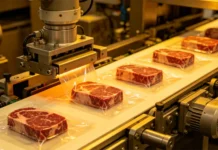



















AI-Driven Packaging Quality Control for Zero Defect Production
Manufacturing excellence demands unwavering commitment to quality standards that protect brand reputation, ensure consumer safety, and maintain operational efficiency across complex production environments. Traditional quality control methodologies, while foundational to industrial manufacturing, increasingly struggle to meet the precision requirements and processing speeds demanded by modern packaging operations. AI driven packaging quality control emerges as a transformative solution that combines machine vision, deep learning algorithms, and real-time data analytics to achieve zero-defect manufacturing objectives while optimizing resource utilization and operational performance.
The evolution from reactive quality inspection to proactive defect prevention represents a paradigm shift that fundamentally changes how manufacturers approach quality assurance. Rather than simply identifying and rejecting defective products after formation, AI-powered systems analyze production parameters in real-time to predict and prevent quality issues before they manifest as finished product defects. This predictive approach reduces waste generation, minimizes production disruptions, and creates sustainable competitive advantages through superior product quality and operational excellence.
Contemporary AI driven packaging quality control systems integrate seamlessly with existing manufacturing infrastructure while providing capabilities that exceed human inspection accuracy and consistency. These intelligent systems process thousands of images per minute, detect microscopic defects invisible to human operators, and continuously learn from production data to improve performance over time. The result is unprecedented quality control precision that enables manufacturers to achieve zero-defect objectives while reducing costs and improving operational efficiency.
Foundations of AI-Powered Quality Control Systems
Machine Vision and Deep Learning Integration
Modern AI driven packaging quality control begins with sophisticated machine vision systems that capture high-resolution images of products and packaging at critical production stages. Advanced camera technologies including hyperspectral imaging, 3D scanning, and thermal analysis provide comprehensive data about visual appearance, dimensional accuracy, structural integrity, and material properties. These multi-modal sensing capabilities create detailed digital representations of physical products that enable precise quality assessment and defect identification.
Deep learning algorithms process visual data through convolutional neural networks trained on extensive datasets of acceptable and defective products. Unlike traditional rule-based inspection systems that require explicit programming for each defect type, deep learning models automatically identify patterns and anomalies through exposure to diverse examples. This learning capability enables detection of subtle quality variations, complex defect patterns, and previously unseen anomalies that would challenge conventional inspection methods.
The integration of machine vision with deep learning creates adaptive quality control systems that improve performance through continuous learning from production data. These systems automatically update their defect detection capabilities as new quality issues emerge, production parameters change, or product designs evolve. This adaptability ensures sustained accuracy and relevance while reducing the need for manual system updates and reconfiguration.
Real-Time Processing and Decision Making
AI driven packaging quality control systems operate at production line speeds through advanced processing architectures that analyze visual data in real-time while maintaining high accuracy standards. Edge computing platforms perform initial image processing and defect classification at production line locations, reducing latency while ensuring immediate response to quality issues. Cloud-based processing supplements edge capabilities with advanced analytics and model training that enhance system performance over time.
Real-time decision making capabilities enable immediate responses to quality variations including automatic rejection of defective products, adjustment of production parameters, and notification of quality control personnel. These automated responses minimize the production of defective products while maintaining production flow and minimizing disruptions. Advanced systems integrate with production control systems to implement corrective actions automatically when quality trends indicate potential problems.
The processing architecture incorporates redundancy and fail-safe mechanisms that ensure continued operation even when individual components experience problems. Distributed processing capabilities maintain system availability while providing scalability to accommodate varying production volumes and complexity requirements. These robust architectures support mission-critical quality control applications where system downtime could result in significant production losses or safety risks.
Defect Detection and Classification Technologies
Advanced Imaging and Sensor Technologies
Contemporary AI driven packaging quality control leverages multiple imaging modalities and sensor technologies to create comprehensive quality assessment capabilities that address diverse defect types and material properties. High-resolution visible light cameras detect surface defects, color variations, and print quality issues with precision exceeding human visual capabilities. Infrared thermal imaging identifies temperature-related anomalies, material inconsistencies, and sealing problems that indicate potential quality issues.
Three-dimensional scanning technologies assess dimensional accuracy, surface topology, and structural integrity through laser triangulation, structured light projection, and stereo vision systems. These 3D capabilities enable detection of warping, dimensional variations, and assembly problems that affect product functionality and aesthetic appeal. Hyperspectral imaging analyzes material composition and identifies contamination or foreign material presence through spectral signature analysis.
X-ray and computed tomography systems provide internal inspection capabilities that detect hidden defects, void formations, and structural problems within sealed packaging. These non-destructive testing methods enable quality assessment of internal product conditions and packaging integrity without compromising product usability. The combination of multiple imaging technologies creates comprehensive quality assessment capabilities that address both visible and hidden defect types.
Pattern Recognition and Anomaly Detection
AI driven packaging quality control employs sophisticated pattern recognition algorithms that identify defects through comparison with learned standards of acceptable product quality. Convolutional neural networks excel at recognizing visual patterns including surface textures, print quality, color consistency, and geometric features that indicate product acceptability. These algorithms process complex visual information rapidly while maintaining consistent classification accuracy across diverse product variations.
Anomaly detection algorithms identify unusual patterns or characteristics that deviate from normal production standards even when specific defect types have not been previously encountered. These unsupervised learning approaches enable detection of novel quality issues while adapting to production variations that might otherwise trigger false alarms. The combination of supervised defect recognition with unsupervised anomaly detection creates robust quality control capabilities that address both known and unknown defect types.
Advanced algorithms incorporate temporal analysis that considers sequential images and production data to identify quality trends and predict potential problems before defects occur. This predictive capability enables proactive interventions that prevent defect formation while optimizing production parameters for consistent quality output. Machine learning models continuously refine their understanding of quality patterns through exposure to production data and operator feedback.
Predictive Analytics and Process Optimization
Early Warning Systems and Prevention Strategies
Predictive analytics capabilities transform AI driven packaging quality control from reactive inspection to proactive defect prevention through analysis of production data patterns and quality trends. Advanced algorithms monitor process parameters including temperature, pressure, speed, and material properties to identify conditions that correlate with increased defect rates. These early warning systems enable corrective actions before quality problems manifest as defective products.
Machine learning models analyze historical production data to identify subtle patterns that precede quality issues, enabling predictive maintenance scheduling and process optimization. These models consider multiple variables simultaneously to provide comprehensive understanding of quality drivers and process interactions. Predictive capabilities extend to equipment performance monitoring, material property assessment, and environmental condition impacts on quality outcomes.
Process optimization algorithms recommend parameter adjustments that minimize defect rates while maintaining production efficiency and product specifications. These recommendations consider multiple objectives including quality, throughput, material utilization, and energy consumption to provide balanced solutions that support overall operational excellence. Automated parameter adjustment capabilities enable real-time optimization without requiring operator intervention.
Continuous Learning and Model Improvement
AI driven packaging quality control systems incorporate continuous learning mechanisms that improve performance through exposure to new data and production scenarios. Online learning algorithms update model parameters in real-time based on production outcomes and operator feedback, ensuring sustained accuracy as production conditions evolve. This adaptive capability maintains system relevance while reducing the need for periodic model retraining and recalibration.
Transfer learning techniques enable rapid adaptation to new product types, packaging designs, and production processes by leveraging knowledge gained from previous applications. These approaches reduce the time and data requirements for implementing quality control systems on new production lines while maintaining high accuracy standards. Domain adaptation algorithms address variations in lighting conditions, camera positions, and production environments that might otherwise affect system performance.
Model validation and performance monitoring systems ensure continued accuracy and reliability through systematic evaluation of prediction quality and defect detection rates. These validation systems identify when model updates are needed while providing confidence metrics that inform decision-making about system reliability. Automated model management capabilities handle version control, performance tracking, and rollback procedures when necessary.
Integration with Manufacturing Execution Systems
Real-Time Data Exchange and Workflow Integration
Successful implementation of AI driven packaging quality control requires seamless integration with existing manufacturing execution systems, enterprise resource planning platforms, and production control infrastructure. Standard communication protocols including OPC-UA, MQTT, and RESTful APIs enable real-time data exchange between quality control systems and manufacturing software platforms. This integration ensures that quality data influences production decisions while maintaining data consistency across organizational systems.
Workflow integration capabilities enable automatic routing of quality control results to appropriate personnel and systems while triggering predefined actions based on quality outcomes. Defective products can be automatically diverted to rework areas, quality investigations can be initiated automatically, and production parameters can be adjusted based on quality trends. These automated workflows reduce response times while ensuring consistent handling of quality issues.
Database integration ensures that quality control data becomes part of comprehensive production records that support traceability, regulatory compliance, and continuous improvement initiatives. Advanced data management systems provide secure storage, efficient retrieval, and analytical capabilities that enable long-term quality trend analysis and process optimization. Integration with statistical process control systems enables sophisticated quality monitoring and control charting capabilities.
Automated Reporting and Compliance Documentation
AI driven packaging quality control systems generate comprehensive reporting and documentation that supports regulatory compliance, quality certifications, and operational decision-making. Automated report generation creates standardized documentation of quality performance, defect rates, and corrective actions while ensuring consistency and completeness. These reports support ISO quality management system requirements, FDA regulatory submissions, and customer quality audits.
Real-time dashboard capabilities provide immediate visibility into quality performance metrics, production trends, and system status for operators, supervisors, and management personnel. Customizable displays present relevant information for different roles while maintaining focus on critical quality indicators and performance metrics. Mobile accessibility enables remote monitoring and management of quality control systems from any location.
Traceability capabilities link quality control results with specific products, batches, and production conditions to support recall management, root cause analysis, and customer inquiry responses. Advanced traceability systems maintain detailed records of quality control decisions, operator actions, and system configurations that provide comprehensive audit trails for regulatory compliance and quality investigations.
Industry-Specific Applications and Benefits
Food and Beverage Quality Assurance
The food and beverage industry presents unique challenges for AI driven packaging quality control including diverse product types, strict safety requirements, and high-speed production environments. AI systems excel at detecting packaging defects that could compromise food safety including seal integrity problems, contamination presence, and expiration date accuracy. Advanced imaging systems identify foreign object contamination, surface defects, and packaging damage that might allow microbial infiltration.
Vision systems assess fill levels, product color, and texture consistency to ensure product quality and compliance with labeling claims. Machine learning algorithms trained on food-specific datasets recognize normal variations in natural products while identifying quality deviations that require corrective action. These capabilities support brand protection initiatives while ensuring consumer safety and satisfaction.
Temperature monitoring integration enables detection of cold chain breaks and thermal processing problems that affect product safety and quality. AI systems correlate thermal data with visual inspection results to provide comprehensive quality assessment that addresses both immediate and long-term quality concerns. Automated documentation supports HACCP compliance and regulatory reporting requirements.
Pharmaceutical and Medical Device Manufacturing
Pharmaceutical and medical device manufacturing demands the highest levels of quality control precision due to safety implications and regulatory requirements. AI driven packaging quality control provides capabilities that exceed traditional inspection methods while ensuring compliance with FDA Good Manufacturing Practice requirements and international quality standards. Vision systems detect label accuracy, tamper-evident seal integrity, and packaging defects that could compromise product efficacy or patient safety.
Serialization verification capabilities ensure that each pharmaceutical package contains correct unique identifiers required by track-and-trace regulations. AI systems validate serialization codes, expiration dates, and lot numbers while detecting counterfeit products and packaging anomalies. These capabilities support anti-counterfeiting initiatives while ensuring regulatory compliance across global markets.
Cleanroom environmental monitoring integration enables detection of contamination risks and environmental deviations that could affect product quality. AI systems correlate environmental data with quality outcomes to identify optimization opportunities while maintaining stringent cleanliness standards. Advanced analytics support validation studies and continuous improvement initiatives required by pharmaceutical quality systems.
Implementation Strategies and Best Practices
System Design and Deployment Planning
Successful implementation of AI driven packaging quality control requires comprehensive planning that addresses technical requirements, operational integration, and organizational change management. System design should begin with detailed analysis of existing quality control processes, defect types, and production requirements to ensure that AI solutions address real business needs while providing measurable improvements. Pilot implementations enable validation of system performance and refinement of configurations before full-scale deployment.
Technology selection should consider factors including accuracy requirements, processing speed, integration capabilities, and total cost of ownership over system lifecycle. Cloud-based platforms provide scalability and advanced analytics capabilities while edge computing solutions offer low latency and data security advantages. Hybrid architectures combine the benefits of both approaches while providing flexibility for diverse operational requirements.
Change management planning should address training requirements, process modifications, and organizational adaptation needed to realize the full benefits of AI-powered quality control. Comprehensive training programs ensure that operators, technicians, and quality personnel understand system capabilities and limitations while developing skills needed for effective operation and maintenance. Clear communication about system benefits and objectives builds organizational support for implementation initiatives.
Performance Measurement and Optimization
Establishing comprehensive performance measurement frameworks enables assessment of AI driven packaging quality control effectiveness while identifying opportunities for continuous improvement. Key performance indicators should include defect detection accuracy, false alarm rates, processing speed, and system availability to provide balanced evaluation of system performance. Benchmarking against previous quality control methods demonstrates value creation while supporting investment justification.
Statistical analysis of quality control data identifies trends, patterns, and correlation relationships that inform process optimization and system enhancement initiatives. Advanced analytics capabilities enable root cause analysis of quality problems while providing insights into process improvements that enhance overall manufacturing performance. Regular performance reviews ensure sustained system effectiveness while identifying adaptation needs as production requirements evolve.
Optimization strategies should address both immediate performance improvements and long-term system evolution to maintain competitive advantages. Continuous monitoring of technology developments enables adoption of new capabilities that enhance system performance while addressing emerging quality challenges. Investment in ongoing system enhancement ensures sustained value creation and operational excellence.
Future Developments and Emerging Technologies
Next-Generation AI Capabilities
The continued evolution of artificial intelligence technologies promises even more sophisticated capabilities for packaging quality control including autonomous learning systems that require minimal human supervision and intervention. Generative AI models will enable synthetic data generation for training quality control systems on rare defect types while reducing the need for large datasets of actual defective products. These capabilities will accelerate system deployment while improving defect detection accuracy for uncommon quality issues.
Explainable AI technologies will provide transparent decision-making processes that enable operators and quality personnel to understand how systems reach quality control decisions. This transparency will improve system trust while supporting regulatory compliance and quality investigation requirements. Advanced visualization capabilities will present AI reasoning in intuitive formats that facilitate human understanding and system optimization.
Federated learning approaches will enable quality control systems to share knowledge across multiple production facilities while maintaining data privacy and security. These collaborative learning capabilities will accelerate system improvement while preserving competitive advantages and protecting sensitive production information. Multi-modal AI systems will integrate diverse data types including visual, thermal, chemical, and acoustic information to provide comprehensive quality assessment capabilities.
Integration with Industry 4.0 and Smart Manufacturing
AI driven packaging quality control will become increasingly integrated with broader Industry 4.0 initiatives including digital twins, predictive maintenance, and autonomous manufacturing systems. Digital twin technologies will enable virtual testing and optimization of quality control strategies while providing predictive capabilities for system performance and maintenance requirements. These capabilities will reduce implementation risks while accelerating system deployment and optimization.
Smart manufacturing integration will enable quality control systems to participate in autonomous production decisions including automatic process adjustments, maintenance scheduling, and production planning optimization. AI systems will communicate with other manufacturing systems to coordinate responses to quality issues while maintaining overall production efficiency and effectiveness. These integrated approaches will create self-optimizing manufacturing environments that continuously improve performance.
Edge AI capabilities will provide more sophisticated processing power at production line locations while reducing dependence on cloud-based resources. Advanced edge processors will enable complex AI algorithms to operate in real-time with minimal latency while maintaining data security and reducing communication requirements. These capabilities will support deployment in challenging environments while ensuring robust performance and reliability.
The transformation of packaging quality control through artificial intelligence represents a fundamental shift toward precision manufacturing that achieves zero-defect objectives while optimizing operational efficiency and resource utilization. AI driven packaging quality control systems provide capabilities that exceed human inspection accuracy while operating at production speeds that support modern manufacturing requirements. The integration of machine vision, deep learning, and predictive analytics creates intelligent quality control ecosystems that continuously learn and adapt to changing production conditions.
Organizations that invest in AI-powered quality control capabilities today will establish competitive advantages through superior product quality, reduced waste generation, and enhanced operational efficiency. These systems support regulatory compliance while protecting brand reputation and consumer safety through consistent, reliable quality assurance. The continued evolution of AI technologies promises even greater capabilities that will further transform manufacturing excellence and quality control precision in the years ahead.