













Key Takeaways
- Mono-material packaging simplifies recycling processes, increasing material recovery rates by 30-50% compared to multi-layer composite structures
- Design-for-recycling principles prioritize material compatibility with existing recycling infrastructure, ensuring packages actually enter recovery streams
- Paper-based and cardboard packaging integrates seamlessly into established recycling systems, achieving recovery rates exceeding 70% in developed markets
- Plastic mono-material solutions from polypropylene, polyethylene, and polyethylene terephthalate enable efficient sorting and high-quality material recovery
- Adhesive and coating innovations eliminate chemical barriers to recyclability, enabling complete material recovery from complex packaging structures
- Returnable packaging systems for concentrated or bulk products reduce total material consumption by 70-90% compared to single-use alternatives
- Supplier collaboration on material selection and structural design ensures entire packaging system optimizes for end-of-life recovery
- Consumer education regarding package material composition and recycling instructions improves recovery rates and reduces contamination in processing facilities
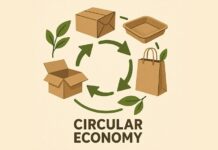
The traditional packaging industry operates within fundamentally linear economic models extract raw materials, manufacture packaging, deliver products, dispose of packaging in landfills or incinerators. This “take-make-dispose” paradigm dominated industrial practice for over a century, generating enormous wealth while externalizing environmental costs onto shared ecosystems. The emerging circular economy model reimagines this linear progression toward genuinely closed-loop systems where materials continuously cycle through use, recovery, and remanufacturing rather than accumulating as persistent waste.
Circular packaging solutions represent one of the most commercially significant implementations of circular economy principles, driven by converging forces including regulatory mandates, corporate sustainability commitments, consumer expectations, and economic incentives recognizing that virgin material extraction costs increasingly exceed recovered material value. Progressive manufacturers recognize that packaging designed for recovery and remanufacturing creates competitive advantages while simultaneously addressing environmental imperatives. This convergence of environmental necessity and economic opportunity drives rapid innovation in recyclable packaging design and materials.
Mono-Material Packaging: Simplifying Material Recovery
Mono-material packaging constructed from single polymer types represents perhaps the most impactful innovation enabling genuine circular packaging systems. Traditional multi-layer composite structures combine plastic films, aluminum foil, adhesives, and paper components into intricate assemblies optimized for product protection, shelf life extension, and barrier properties. While technically sophisticated, these complex structures create recycling nightmares material separation consumes substantial resources, contamination risks compromise recovered material quality, and sorting complexity often results in disposal rather than recovery.
Mono-material solutions eliminate this complexity through radical simplification. Packaging manufactured from single polymers typically polypropylene (PP), polyethylene (PE), or polyethylene terephthalate (PET) enable mechanical recycling without requiring material separation. Recycling facilities can process mono-material packaging using standard equipment and protocols, avoiding specialized sorting or chemical processing. The recovered material maintains quality sufficient for remanufacturing into new packaging or other products, creating genuine circular material flows.
The performance advantages of mono-material packaging often exceed traditional assumptions. Modern thin-film technology enables mono-material structures achieving barrier properties previously requiring multi-layer composites. Polyethylene films modified through molecular orientation (Machine Direction Orientation, or MDO) techniques provide oxygen and moisture barriers comparable to multi-layer aluminum-plastic composites while remaining entirely recyclable. These technological advances demonstrate that performance optimization and recyclability need not represent conflicting objectives.
Consumer perception of mono-material packaging has shifted dramatically as environmental awareness increases. Consumers increasingly recognize that “compostable” multi-layer packaging often proves unrecyclable in conventional systems and frequently ends in landfills despite marketing claims. Conversely, clearly recyclable mono-material packaging from recognized materials (PP, PE, PET) receives consumer trust based on demonstrated recycling infrastructure and tangible recovery outcomes.
Design-for-Recycling Principles
Design-for-recycling approaches represent systematic methodologies ensuring packaging functions across entire product lifecycle while optimizing end-of-life recovery. Rather than designing packaging for manufacturing efficiency or shelf-life performance and subsequently hoping it enters recovery streams, design-for-recycling prioritizes material compatibility with existing infrastructure as a co-equal design objective.
Fundamental design-for-recycling principles include material selection matching local recycling capabilities (avoiding materials lacking established processing infrastructure), avoiding adhesives and coatings that contaminate recycled material streams, and minimizing multi-component assemblies requiring manual disassembly. For packages incorporating multiple elements caps, closures, labels designers evaluate whether all components can be separated and processed through parallel recycling streams or whether the complexity necessitates redesign simplifying the structure.
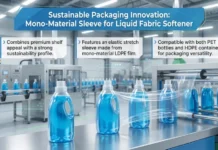
Label selection significantly influences recyclability. Traditional adhesive-based labels contaminate recycling processes when adhesive and label material cannot be efficiently separated. Modern recyclable packaging increasingly employs sleeve labels that mechanically wrap packages without adhesive, enabling complete label removal during standard recycling preprocessing. Alternatively, directly printed designs eliminate label material entirely, avoiding contamination while reducing material consumption and improving product aesthetics.
Adhesives and coatings optimized for recyclability represent ongoing innovation areas. Traditional formulations selected for performance characteristics (water resistance, heat tolerance, adhesion strength) often compromise recyclability. Contemporary adhesive chemistry balances performance requirements against recyclability objectives, enabling structures that perform adequately during use while separating cleanly during recycling preprocessing. This chemical innovation demonstrates that circular economy objectives increasingly integrate into product development rather than representing afterthought considerations.
Paper-Based Packaging and Established Recovery Infrastructure
Paper-based packaging materials command particular attention within circular packaging frameworks due to established, mature recycling infrastructure spanning developed markets for over a century. Paper and cardboard achieve recovery rates exceeding 70% across North America and Europe, substantially higher than plastic recovery rates. The integration of paper packaging into established infrastructure means no need for new processing facilities or technical innovation recovery merely requires consumer participation in conventional recycling programs.
Advanced paper chemistry enables barrier properties previously requiring plastic or aluminum coatings. Compostable barrier coatings derived from plant-derived compounds replace petroleum-based or synthetic options while maintaining performance. These innovations enable entirely paper-based packaging for previously challenging applications including moist environments or products requiring specific barrier properties. Recovery as conventional paper waste streams becomes feasible even though the package originally contained liquids or moisture-sensitive products.
Corrugated packaging for shipping applications represents the highest-recovery material in the global packaging system, with recovery rates approaching 90% in mature markets. The combination of established infrastructure, customer willingness to recycle, and substantial scrap material value creates powerful incentives for high recovery rates. Contemporary corrugated packaging increasingly incorporates recycled content (30-100% post-consumer waste) while maintaining structural properties and print quality.
Recyclable Plastic Innovations
Recyclable plastic materials continue evolving toward greater recovery efficiency despite historical challenges regarding contamination, sorting complexity, and quality degradation through repeated processing cycles. Advances in post-consumer waste (PCW) processing, mechanical recycling technology, and chemical recycling enable substantial improvement in plastic material recovery compared to conventional mechanical recycling approaches.
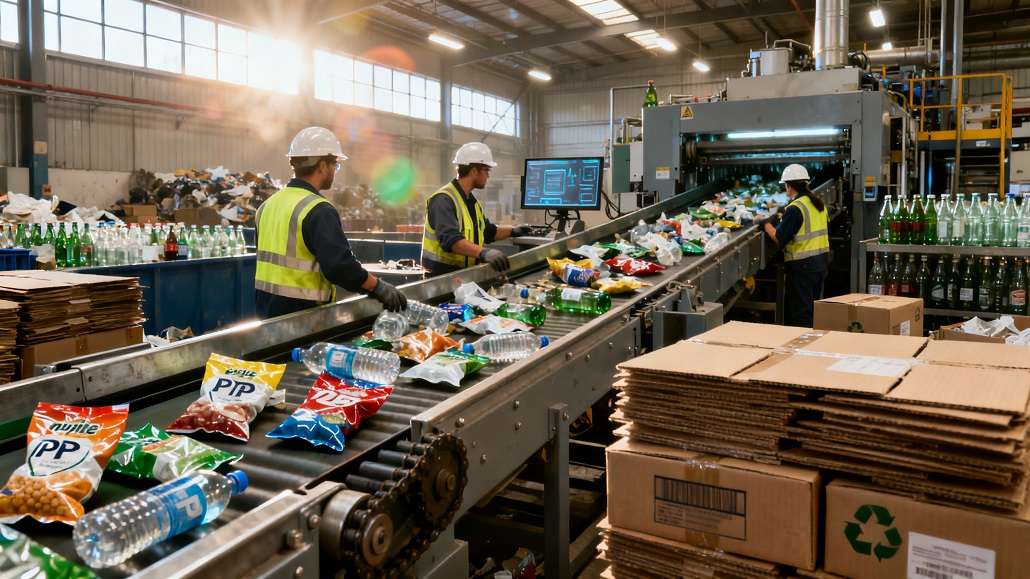
Mechanical recycling of PET and HDPE bottles achieves mature status with established global infrastructure and strong market demand for recovered material. Food and beverage brands increasingly incorporate high percentages of recycled content 25-100% in many cases supported by consumer willingness to pay modest premiums for products in recycled packaging. Advanced sorting technologies including artificial intelligence-enabled optical sorting dramatically improve the purity of recovered material streams, enabling quality sufficient for food contact applications previously reserved for virgin material.
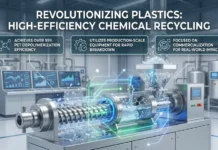
Chemical recycling technologies including depolymerization and pyrolysis convert contaminated or multi-component plastic waste into virgin-equivalent material suitable for food contact applications. While currently representing modest production volumes compared to mechanical recycling, chemical recycling enables recovery of material streams otherwise destined for landfills or incineration. As chemical recycling capacity scales and costs decline, integration with mechanical recycling will create more comprehensive plastic recovery systems.
Flexible packaging represents a historically problematic material stream only approximately 5% of flexible packaging enters recycling despite substantial polymeric material content. Recent innovations in mono-material flexible films enable integration into conventional plastic recycling streams, dramatically improving recovery potential. Polyethylene-based flexible packaging increasingly predominates, eliminating the multi-layer aluminum-plastic structures that jammed sorting equipment. As recycling infrastructure adapts to handle flexible material, recovery rates for this previously ignored stream should increase substantially.
Structural Design for Disassembly and Component Recovery
Complex packaging systems incorporating multiple materials closures, caps, adhesive elements create recovery challenges unless deliberately designed for disassembly. Circular packaging design increasingly incorporates modular architectures enabling efficient component separation. Screw closures (easily removed and recyclable separately) replace press-fit or snap components requiring destructive separation. Tethered caps connected via flexible links rather than permanently bonded elements enable mechanical separation during preprocessing.
Structural innovation enables clean separation of dissimilar materials without requiring manual disassembly or complex preprocessing. Perforation technologies allow easy closure separation from primary packaging. Fold-line designs enable packages to compress for transport efficiency while maintaining structural integrity and enabling clean separation into component material streams during recycling.
For rigid containers, design simplification reduces component count eliminating non-essential labels, closure mechanisms, or reinforcement elements reduces complexity and improves recyclability. Multi-chamber or compartmentalized structures give way to simpler geometries that process through standard equipment without jamming or separation complications.
Supply Chain Alignment and Industry Collaboration
Genuine circular packaging solutions require alignment across entire value chains from raw material suppliers through converters, brand owners, and recycling infrastructure operators. Material selection decisions made by brand owners influence converter capabilities and recycling facility processing requirements. Adhesive or coating selections made by material suppliers determine whether finished packages prove recyclable. This interdependence demands collaboration transcending traditional supplier-customer arm’s length relationships.
Progressive brands now specify recyclability requirements in material and component procurement specifications, enabling suppliers to optimize products for target applications and recovery infrastructure. Industry collaborations including the Ellen MacArthur Foundation’s Circular Economy 100 and similar initiatives facilitate knowledge sharing regarding design-for-recycling best practices, material compatibility, and process optimization.
Circular economy technical standards including ISO 14855 (compostability testing), ISO 12625 (tissue recycling), and emerging standards specifically addressing packaging recyclability provide objective criteria enabling consistent evaluation and credible environmental claims. Standardized assessment protocols reduce greenwashing while facilitating genuine circular system development.
Returnable and Refillable Packaging Systems
Returnable packaging systems represent an alternative circular approach operating through repeated use rather than material recycling. Reusable bottles, containers, and shipping systems return to operators for cleaning, inspection, and refilling cycles potentially repeating hundreds of times before final disposal. For appropriate applications, returnable systems dramatically reduce total material consumption and associated environmental impact.
Returnable bottle systems for beer, beverages, and bulk products achieve recoveries exceeding 95% through strong consumer participation and established retail infrastructure. Glass and plastic returnables withstand repeated use cycles while maintaining functionality and appearance. Economic incentives deposit systems where consumers receive financial compensation for returns drive participation rates and ensure reliable material recovery.
The logistics infrastructure supporting returnables requires substantial design consideration. Efficient collection, reverse logistics, cleaning, and redistribution networks determine economic viability. Regional systems with short distribution distances and concentrated customer bases (breweries serving regional markets, milk distribution systems) function effectively. National or global systems encounter substantially higher logistics complexity and costs, potentially exceeding environmental benefits of material reduction.
Material Recovery Rate Verification
Independent verification of material recovery rates enables credible environmental claims and prevents greenwashing. Life cycle assessment methodologies quantify actual recycling rates for specific materials within defined geographic regions and recovery systems. Rather than aspirational claims regarding recyclability potential, verified recovery rates provide realistic data reflecting actual consumer behavior, infrastructure capabilities, and market conditions.
Material recovery assessments increasingly influence brand purchasing decisions, product design priorities, and environmental marketing claims. Brands commissioning life cycle assessments gain quantified data regarding actual environmental impact of packaging choices, enabling informed decisions among competing alternatives. Third-party verification adds credibility while preventing self-serving interpretations of ambiguous data.
Economic Models Supporting Circular Packaging
Extended Producer Responsibility frameworks increasingly mandate manufacturer responsibility for end-of-life packaging recovery and disposal. These regulatory structures create direct financial incentives for designing recyclable packaging, since manufacturers pay disposal costs for material not entering recovery streams. The financial burden of landfill disposal aligns commercial incentives with environmental objectives, accelerating adoption of recyclable designs.
Deposit return systems applied to specific container types create consumer incentives for participation while ensuring reliable material recovery. The combination of environmental appeal and direct financial reward (deposit recovery upon return) generates participation rates far exceeding voluntary recycling programs. Evolving deposit systems increasingly encompass plastic bottles, aluminum cans, and other materials historically experiencing low recovery rates.
Post-consumer waste value fluctuates significantly based on commodity markets, creating supply chain vulnerabilities for recycled material-dependent applications. Strategic stockpiling during low-price periods and forward purchasing agreements between brands and recyclers stabilize supply chains. As demand for recycled content increases with corporate sustainability commitments, market mechanisms should increasingly stabilize prices and support viable recycling infrastructure.
Consumer Education and Behavioral Change
Genuine circular packaging systems depend on consumer understanding and participation. Confusing recycling symbols, unclear material compositions, and contamination from improper sorting undermine recovery infrastructure. Progressive brands increasingly invest in consumer education through package labeling providing clear recycling instructions, material identification, and sometimes QR codes linking to recycling location information.
Behavioral science principles recognize that friction in recycling participation significantly influences rates. Making recycling convenient locating collection points near disposal points, simplifying sorting requirements, eliminating preparation steps substantially increases participation. Conversely, perceived complexity or inconvenience dramatically reduces voluntary participation regardless of environmental benefits.
Conclusion
The transition toward circular packaging solutions represents fundamental restructuring of packaging design philosophy from linear consumption models toward regenerative systems where materials continuously cycle through use and recovery. Mono-material innovations, design-for-recycling methodologies, and structural simplification enable recovery previously impossible with complex multi-layer structures. Established infrastructure for paper recovery, emerging capabilities for plastic mechanical and chemical recycling, and alternative returnable systems create pathways toward genuinely circular material flows. As regulatory requirements mandate recyclability, consumer expectations align toward sustainability, and economic models incentivize circular approaches, manufacturers embracing these principles position themselves advantageously for an inevitable transition toward circular business models. The next decade will witness accelerating adoption of circular packaging principles as genuinely viable alternatives to traditional linear approaches, ultimately establishing circular systems as competitive necessity rather than differentiation opportunity.