

























Key Takeaways:
- E-commerce packaging must prioritize transit protection, minimizing damage rates while avoiding excessive void fill and over-packaging.
- Lightweighting and right-sizing efforts reduce dimensional weight charges and material usage without compromising product safety.
- Sustainable formats such as recyclable mailers, paper-based cushioning, and mono-material designs align with consumer expectations for responsible packaging.
- Easy-return features like resealable closures, dual-adhesive strips, and clear instructions support reverse logistics and customer satisfaction.
- High-quality, scuff-resistant print surfaces preserve brand presentation through handling, sortation, and last-mile delivery.
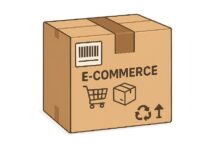
E-commerce has fundamentally changed the context in which packaging performs. Instead of being designed primarily for retail shelves with controlled handling and short transport routes, packaging must now endure automated hubs, conveyor systems, delivery vehicles, and home handling. These environments introduce very different stresses, from compressive loads and drops to abrasion and moisture. As a result, e-commerce packaging design requirements are reshaping priorities for brand owners and converters alike.
Protection remains the first, non‑negotiable requirement. In direct‑to‑consumer channels, damaged deliveries translate directly into returns, replacements, and negative reviews that can quickly erode margins and brand reputation. Designers therefore start by analyzing product fragility, weight, and geometry to define appropriate levels of cushioning and structural strength. For fragile items, this may involve engineered corrugated inserts, molded pulp forms, or paper-based cushioning systems that keep products suspended away from box walls. For more robust products, right-sized mailers with minimal internal movement may be sufficient.
The challenge is to achieve this protection without resorting to heavy over‑packaging. Carriers charge based on dimensional weight, so excessive void fill and oversized cartons quickly increase shipping costs. Right‑sizing has therefore become a core strategy, using data and design tools to match packaging dimensions more closely to product size and order combinations. Automated cartonization software helps determine the optimal carton footprint for each order profile, balancing protection, cost, and operational constraints such as pack station ergonomics and inventory complexity.
Lightweighting is another response to e-commerce cost and sustainability pressures. By refining board grades, flute combinations, and structural designs, converters can reduce material usage while preserving stacking strength and puncture resistance. Advanced testing such as compression, drop, and vibration helps validate that lighter designs still perform adequately across real-world transit profiles. Successful lightweighting programs often combine material optimization with structural ingenuity, such as strategic reinforcement zones and optimized crease patterns that protect vulnerable corners and edges.
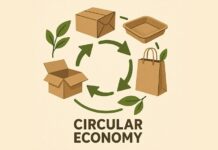
Sustainability expectations, already high in traditional retail channels, are even more pronounced in e-commerce where the volume of parcels is highly visible to consumers. Many shoppers now scrutinize packaging for recyclability, use of plastic, and perceived wastefulness. This has pushed brands toward recyclable mono-material formats, paper-based mailers, fiber-based cushioning, and clear on-pack recycling guidance. Plastic void fill is increasingly being replaced with kraft paper, tissue, or molded fiber inserts that communicate an eco-conscious message while remaining functional.
Easy-return packaging is another direct response to e-commerce behavior. Consumers have grown accustomed to liberal return policies and expect hassle-free return experiences. Packaging that tears apart during opening or requires additional materials for return frustrates users and increases the chances that items will be returned in damaged or non-compliant conditions. To address this, designers are increasingly specifying resealable closures, dual adhesive strips, perforated tear‑strips, and clear printed instructions. These features allow customers to open the package cleanly, repack the product, and reseal the carton or mailer for return shipment without additional tape or new boxes.
The unboxing experience remains a crucial aspect of direct-to-consumer brand building. Unlike retail settings where packaging competes on shelf, the e‑commerce unboxing moment becomes the primary experiential touchpoint. Structural choices such as inside printing, custom inserts, and staged reveals can create memorable interactions that encourage social sharing and deepen emotional connection. At the same time, these experiences must be balanced with operational feasibility packs should be easy for fulfillment teams to assemble and pack efficiently.
Surface durability has taken on new importance in e-commerce packaging design requirements. Boxes and mailers encounter automated sorters, conveyor belts, and stacking environments that can scuff, smear, or puncture printed surfaces. Abrasion‑resistant inks and specialty overprint coatings help maintain graphic integrity and brand presentation from fulfillment center to doorstep. Matte or lightly textured finishes can better hide minor scuffs than high‑gloss coatings, which may show scratches more readily. Designers therefore choose finishes with transit realities in mind, not only aesthetics.
Customization and personalization are increasingly expected in direct‑to‑consumer channels. Digital printing technology allows brands to segment artwork by customer segment, geography, or campaign, as well as to personalize messages and graphics at the order level. Variable data printing supports individualized thank‑you notes, QR codes, or loyalty codes within the same production run. This aligns packaging more closely with CRM strategies, turning each parcel into a targeted communication piece rather than a generic brown box.
Reverse logistics considerations also play a more prominent role in design decisions. Packaging that returns in good condition is easier to process for refurbishment, resale, or recycling. Structural robustness that survives two trips instead of one becomes valuable, especially in categories with high return rates such as fashion and electronics. Designers and operations teams work together to understand return flows and design packaging that can withstand both outbound and inbound journeys without excessive damage or complexity.
E-commerce packaging design is also influenced by last-mile realities. Drivers and couriers need parcels that are easy to handle, fit well in vehicles, and minimize risk of theft or weather damage when left at doorsteps. Tamper-evident closures, discreet exterior graphics that do not reveal product value, and weather-resistant materials all help align packaging with real-world delivery conditions. Where porch theft is a concern, some brands experiment with more neutral outer packaging combined with branded inner experiences, balancing discretion with marketing.
Looking ahead, e-commerce-driven requirements will continue to evolve alongside consumer expectations and logistics innovations. Automation in fulfillment centers will likely place even more emphasis on consistent dimensions, barcode readability, and machine-friendly handling features. Sustainability pressures will push designs further toward recyclable, reusable, or refillable formats. Meanwhile, personalization and interactive elements such as QR codes or connected experiences will extend the unboxing moment into the digital realm, merging physical and virtual brand touchpoints.
For packaging teams, the key implication is that e-commerce packaging can no longer be treated as an afterthought or simple adaptation of retail formats. It demands its own design discipline, informed by transit testing, logistics realities, consumer behavior, and brand strategy. Those who invest in understanding and responding to evolving e-commerce behavior will build packaging systems that protect products, delight customers, and support profitable, sustainable growth in digital channels.