















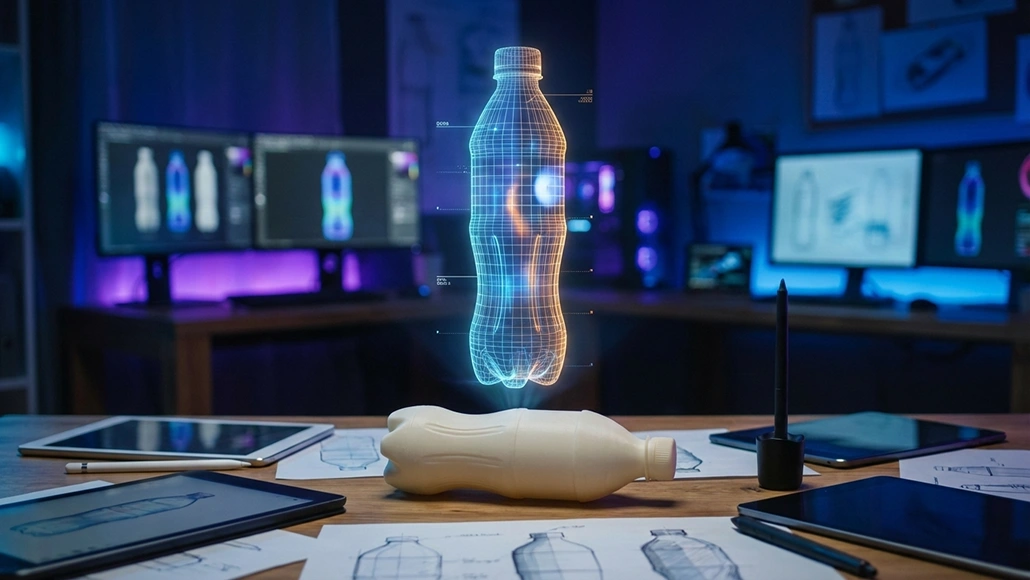

The packaging industry is currently undergoing its most significant metamorphosis since the invention of the assembly line. We are witnessing the birth of a fully realized digital ecosystem where the physical container is just one output of a massive, data-driven engine. This digital food packaging transformation is redefining the boundaries of what a package can do, shifting its role from a passive protector to an active, intelligent participant in the global supply chain. For packaging professionals, this shift requires a new set of competencies that blend traditional engineering with advanced data science and software integration.
The Virtual Revolution in Prototyping and Development
The traditional cycle of packaging development was historically slow and prone to physical waste. Designers would create a concept, send it for physical sampling, wait for shipping, test it in a lab, and then start the process all over again.
Virtual Twins and Simulation
The advent of virtual twins has completely disrupted this cycle. A virtual twin is a digital replica of a physical package that can be subjected to infinite stressors in a simulated environment. We can now predict how a new bottle design will withstand the vertical pressure of a pallet stack or how a thin film will react to high-altitude pressure changes during air freight all before a single piece of material is ever cut. This phase of digital food packaging transformation has reduced R&D timelines from months to weeks, allowing brands to iterate with a level of precision that was previously impossible.
Collaborative Digital Workflows
Efficiency is no longer just about how fast a machine runs; it is about how fast information moves. Digital workflows allow for a “single source of truth” across the entire enterprise. When a marketing team changes a graphic element in London, the production facility in Vietnam and the compliance officer in New York see the update instantly. This connectivity eliminates the version-control errors that have historically cost the industry millions in wasted materials and recalled products.
The Intelligence of Connected Packaging
Once the product leaves the factory, the digital food packaging transformation continues to add value through connectivity. We are moving toward a “Post-Barcode” world where the package itself is an IoT (Internet of Things) device.
Smart Packaging Solutions and Consumer Engagement
Smart packaging solutions like NFC integration and serialized QR codes are transforming the “moment of truth” at the retail shelf. Consumers can now tap their phones against a juice carton to see the exact orchard where the fruit was harvested. This level of transparency is not just a marketing gimmick; it is a powerful tool for building brand equity. Moreover, these digital touchpoints allow brands to capture first-party data on consumption patterns, geographical hotspots, and even how often a product is interacted with before being purchased.
Packaging Data Analytics and the Feedback Loop
The data generated by these interactions is fed back into the system through packaging data analytics. This creates a closed-loop system where the performance of the package in the real world directly informs the design of the next generation. If analytics show that consumers in a specific region are struggling with a certain closure type, the design can be adjusted in near real-time. This agility is the ultimate goal of digital food packaging transformation.
Securing the Supply Chain through Digitalization
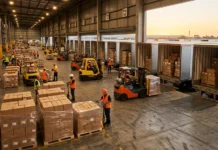
The logistics of food packaging are fraught with risk from temperature excursions to counterfeiting. Digitalization provides a robust defense against these challenges.
Packaging Supply Chain Tech and Traceability
Advanced packaging supply chain tech now allows for item-level traceability. By using blockchain-enabled digital identities for each package, manufacturers can track a product’s journey through every hand it touches. This is critical for food safety; in the event of a recall, a company can pinpoint exactly which batches are affected down to the specific minute of production, rather than pulling entire weeks of inventory from the shelves.
Active Sensors and Spoilage Reduction
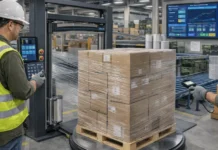
We are also seeing the integration of active digital sensors into secondary and tertiary packaging. These sensors monitor humidity, temperature, and shock. When integrated into the digital food packaging transformation strategy, this data allows for “predictive logistics,” where a shipment can be rerouted or flagged for inspection if it has been exposed to conditions that might compromise food safety. This significantly reduces food waste and ensures that only the highest quality products reach the consumer.
Overcoming the Barriers to Digital Adoption
Despite the clear advantages, the path to a fully digital food packaging transformation is not without its hurdles. It requires a significant upfront investment in hardware, software, and training.
Data Security and Consumer Privacy
As packaging becomes a data node, the industry must grapple with the challenges of cybersecurity. Protecting the integrity of the data being transmitted between the package and the cloud is paramount. Furthermore, brands must be transparent with consumers about what data is being collected and how it is being used, ensuring that smart packaging solutions do not overstep privacy boundaries.
Bridging the Talent Gap
The most significant challenge, however, is human. The packaging engineer of the future must be as comfortable with Python or SQL as they are with structural cardboard design. Companies must invest in upskilling their workforce to manage these new digital workflows. The transition to digital food packaging transformation is as much a cultural shift as it is a technological one.
Conclusion: The Integrated Future of Design
The digital food packaging transformation is not a destination but a continuous process of improvement. By embracing virtual twins, packaging data analytics, and smart packaging solutions, the industry is moving toward a future where packaging is no longer a cost center, but a value-driver. The data-rich, connected package of tomorrow will be the key to solving the complex challenges of sustainability, safety, and consumer engagement in a globalized world.