





















The visual and tactile landscape of the retail environment has undergone a radical transformation. We are no longer in an era where a flashy logo and a bold color palette are sufficient to capture market share. Today, the physical container is a complex medium of communication that must navigate a delicate balance between psychology, utility, and ethics. As we analyze the modern food packaging design trends currently dominating the industry, it becomes clear that the consumer is no longer a passive recipient of marketing; they are an active participant in a brand’s narrative.
The Psychology of Trust in a Transparent Marketplace
Consumer-centric design has moved from being a buzzword to a fundamental operational requirement. The modern shopper, particularly within the millennial and Gen Z cohorts, approaches the shelf with a “guilty until proven innocent” mindset regarding health and environmental claims. This skepticism has forced a total rethink of how information is presented.
The Rise of Clean Label Graphics
Food labeling clarity is the new gold standard for establishing brand trust. In the past, nutritional information and ingredient lists were hidden in small print on the back of the pack. Modern food packaging design trends have flipped this hierarchy. We now see “front-of-pack” labeling that highlights the most critical data points—protein content, sugar levels, and sourcing origins—in large, legible typography. This aesthetic honesty signals to the consumer that the brand has nothing to hide.
Color Theory and Emotional Connection
The use of color in packaging aesthetics has shifted away from the artificial, high-saturation tones of the 1990s. Today, we see an influx of “earthy” tones—terracottas, deep greens, and off-whites—that evoke a sense of heritage and natural origin. This is not merely a fashion choice; it is a calculated effort to build an emotional bridge to the consumer who is increasingly looking for “real” food.
Functional Packaging as a Driver of Repeat Purchase
While shelf appeal gets the product into the shopping cart, the functional packaging experience determines if it stays in the household’s repertoire. The “unboxing” experience has migrated from consumer electronics into the food sector.
Ergonomics and Intuitive Packaging Formats
We must consider the diverse demographic range of the end-user. Intuitive packaging formats must cater to an aging population while also satisfying the need for speed among younger professionals. This includes easy-tear notches that actually work, resealable closures that maintain freshness without requiring significant grip strength, and formats that are optimized for on-the-go consumption. When a package fails to open correctly, or when a seal breaks prematurely, it creates a “micro-frustration” that can permanently damage brand trust.
Portability and the E-commerce Shift
The rise of direct-to-consumer food models has introduced new stresses on design. Packaging must now be “sipping-robust” as well as “shelf-ready.” This duality is a core component of modern food packaging design trends. Designers are now tasked with creating structures that can survive the rigors of the last-mile delivery while still looking premium when they arrive on a doorstep.
The Intersection of Aesthetics and Environmental Responsibility
There is an inherent tension between the desire for premium packaging aesthetics and the demand for sustainable design. In the past, “eco-friendly” often meant “ugly” or “flimsy.” That is no longer the case.
Material Honesty and Texture
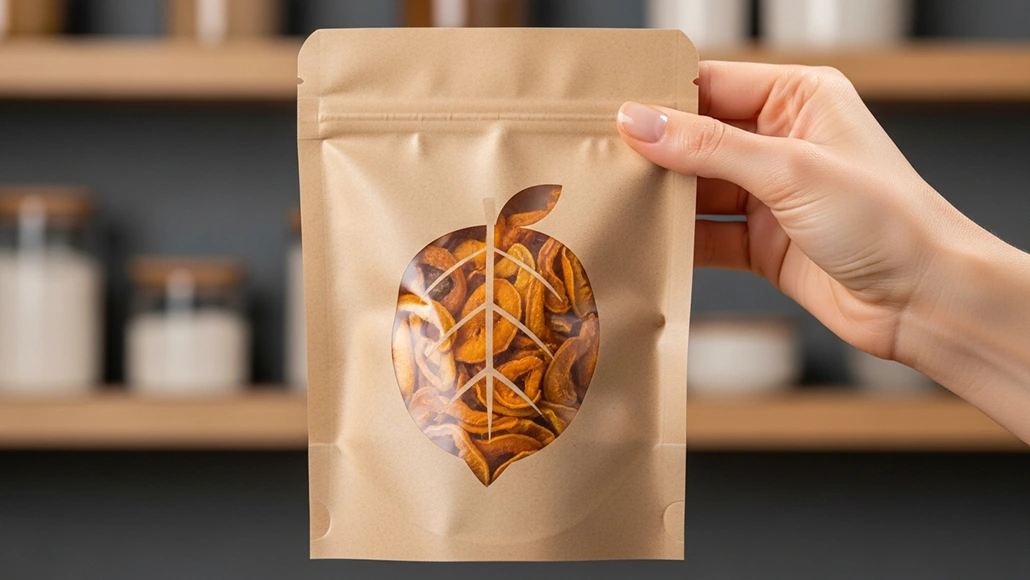
Modern food packaging design trends are increasingly utilizing the natural texture of materials to convey sustainability. Uncoated papers, molded pulps, and visible fibers are being used as aesthetic assets rather than flaws. This “material honesty” aligns with the consumer’s desire for authenticity. By leaving the material in a more raw state, brands can communicate their commitment to the planet without saying a word.
Minimalist Footprints and Structural Innovation
Reduction is the highest form of innovation. We are seeing a move toward “right-sized” packaging that eliminates the need for excessive secondary materials. This minimalist approach requires high-level engineering to ensure that structural integrity is not compromised. The beauty of these designs lies in their efficiency—a visual representation of the brand’s respect for resources.
Transparency in Design through Digital Integration
The physical space on a package is limited, but the consumer’s hunger for information is not. This has led to the integration of digital layers into the physical design.
The Smart Packaging Bridge
Modern food packaging design trends now frequently include QR codes or NFC touchpoints that are elegantly integrated into the graphic design. This allows the physical pack to remain uncluttered and focused on shelf appeal, while providing a portal to the “full story” of the product. Whether it is a video of the farm where the ingredients were grown or a detailed breakdown of the carbon footprint, this digital extension is the ultimate expression of transparency in design.
Enhancing Accessibility and Inclusion
Digital tools also allow brands to be more inclusive. Packaging that can be scanned to provide audio descriptions for the visually impaired or translated into multiple languages via a smartphone app is a major leap forward in consumer-centric design. This use of technology demonstrates a brand’s commitment to serving all consumers, further solidifying brand trust and loyalty.
Conclusion: The Holistic Future of the Food Pack
As we look toward the next decade, the silos between marketing, engineering, and sustainability will continue to dissolve. The most successful modern food packaging design trends will be those that treat these three pillars as a single cohesive unit. The package is the product, and the product is the package. By focusing on food labeling clarity, functional packaging, and an unwavering commitment to the consumer experience, brands can navigate the complexities of the modern market and build a legacy of trust that transcends the shelf.