



















Key Takeaways:
- E-commerce packaging solutions are fundamentally transforming online retail by prioritizing the synergy between protective packaging and shipping packaging efficiency. By adopting “right-sized” designs and durable, eco-friendly e-commerce packaging, businesses are able to significantly reduce material waste and transportation costs while ensuring that products reach consumers in pristine condition, thereby enhancing the overall customer unboxing experience.
- The integration of automated packaging technology is driving a new era of online retail packaging efficiency, allowing for rapid customization and fulfillment. These advanced e-commerce packaging solutions not only streamline last-mile delivery logistics but also align with global sustainability goals by minimizing the carbon footprint associated with oversized boxes and excessive void-fill materials.
The explosion of online retail has fundamentally altered the demands placed on the packaging industry. Unlike traditional retail, where a product might travel in a bulk pallet to a store shelf, e-commerce requires a package to survive a grueling journey through a complex logistics network. This shift has necessitated the development of specialized e-commerce packaging solutions that prioritize durability, cost-effectiveness, and sustainability. The focus is no longer just on how a product looks on a shelf, but on how efficiently it can move from a fulfillment center to a customer’s doorstep. In this high-velocity environment, packaging efficiency is not just a logistical goal; it is a critical driver of profitability and customer satisfaction.
The Shift Toward Right-Sized Shipping Packaging
One of the most significant advancements in e-commerce packaging solutions is the move toward “right-sizing.” For years, the industry was plagued by the “small item in a giant box” syndrome, which resulted in astronomical amounts of wasted space and excessive use of void-fill materials.
Algorithmic Packing and Dim-Weight Optimization
Today, sophisticated online retail packaging systems use sensors and algorithms to measure the dimensions of a product and create a custom-sized box in real-time. This approach to shipping packaging has a dramatic impact on delivery efficiency. Carriers now charge based on “dimensional weight” (the amount of space a package takes up) rather than just actual weight. By eliminating empty space, companies can significantly lower their shipping costs.
Environmental Benefits of Space Optimization
The benefits of right-sizing extend beyond the balance sheet. By reducing the size of the average shipping package, companies can fit more units into a single delivery vehicle. This leads to a reduction in the number of trucks on the road, which directly translates to lower carbon emissions and fuel consumption. It is a prime example of how e-commerce packaging solutions can align economic and environmental goals through pure packaging efficiency.
The Role of Protective Packaging in Reducing Returns
In the world of e-commerce, a damaged product is a logistical and financial nightmare. It results in a return, a refund, and a potentially lost customer. Therefore, the development of high-performance protective packaging is a cornerstone of effective e-commerce packaging solutions.
Engineering Resilience and Shock Absorption
Innovation in this area has led to the creation of suspension packaging, where the product is held in place by a high-tension film inside the box, protecting it from impacts without the need for bulky foam. We are also seeing the rise of inflatable air pillows and engineered paper buffers that provide maximum shock absorption with minimal weight.
Testing for the “Last Mile”
These materials are designed to withstand the “last mile” the most treacherous part of the delivery process where packages are handled multiple times. Shipping packaging is now subjected to rigorous ISTA (International Safe Transit Association) testing, simulating drops, vibrations, and compressions. By ensuring the product arrives intact, these e-commerce packaging solutions protect the brand’s reputation and eliminate the immense waste associated with the reverse logistics of returned goods.
Sustainability and Eco-Friendly E-Commerce Packaging
The environmental impact of shipping millions of packages daily has not gone unnoticed by consumers. As a result, eco-friendly e-commerce packaging has moved from a “nice-to-have” to a strategic imperative.
The Transition to Fiber-Based Materials
We are seeing a widespread move away from plastic poly-mailers toward curbside-recyclable paper alternatives. These paper mailers are often padded with shredded paper or honeycomb structures to provide protection while remaining 100% recyclable.
Eliminating Single-Use Plastics in Fulfillment
Furthermore, many e-commerce packaging solutions now focus on eliminating plastic tape and void-fill. Paper-based water-activated tape not only provides a stronger seal but also makes the entire box recyclable without the need for the consumer to strip away plastic adhesive. This alignment with consumer values is crucial for online retail packaging, as the “unboxing” moment is often the only physical interaction a customer has with an online brand.
The Rise of Reusable Packaging Models
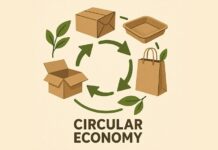
The next step in eco-friendly e-commerce packaging is the reusable model. In this system, products are shipped in durable, collapsible bags or boxes that the consumer can then return to the retailer either by dropping them in a mailbox or returning them to a local store. This “circular” approach to e-commerce packaging solutions eliminates waste entirely and is gaining traction in the apparel and grocery sectors.
Automation and Packaging Efficiency in Fulfillment Centers
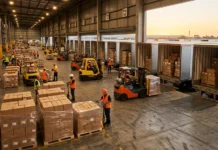
The speed of modern e-commerce requires a level of efficiency that manual packing simply cannot match. Advanced e-commerce packaging solutions are increasingly reliant on automation.
High-Speed Bagging and Robotic Boxing
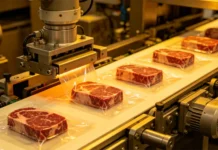
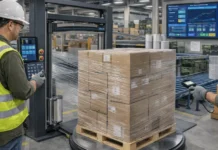
High-speed bagging machines can pack hundreds of items per hour, while robotic arms can fold, tape, and label boxes with surgical precision. This technology ensures that every package is processed at incredible scale, allowing retailers to meet the demanding deadlines of same-day or next-day delivery.
Labeling and Data Integration
Packaging efficiency is also improved through integrated labeling systems. These systems print and apply shipping labels in one motion, ensuring that the data on the label perfectly matches the contents and dimensions of the package. This level of online retail packaging automation reduces human error, prevents mis-shipments, and streamlines the entire sortation process at the carrier’s hub.
Designing for the Consumer: The Unboxing Experience
While efficiency and protection are paramount, e-commerce packaging solutions must also consider the consumer’s experience. The unboxing process has become a marketing event in its own right.
Frustration-Free Design and Ease of Opening
“Frustration-free” packaging is a major trend, focusing on designs that are easy to open without the need for scissors or knives. Easy-open tear strips and tab-and-slot closures are replacing heavy-duty tape. This not only improves the user experience but also makes the packaging easier to collapse and recycle.
Brand Storytelling Inside the Box
Innovative online retail packaging often utilizes the interior of the box for brand storytelling. Printing high-quality graphics or personalized messages on the inside of the shipping packaging creates a “wow” factor when the box is opened. This turns a utilitarian shipping container into a premium brand touchpoint, encouraging social media shares and repeat purchases.
Improving Last-Mile Delivery with Specialized Packaging
The final leg of the journey the “last mile” is the most expensive and complex part of the delivery process. E-commerce packaging solutions are evolving to address these specific challenges.
Letterbox-Friendly and Locker-Ready Designs
This includes the development of letterbox-friendly packaging that allows small items to be delivered even when the recipient is not home, reducing the need for redelivery attempts. We are also seeing packaging designed specifically for automated pickup lockers, with standardized sizes that maximize the use of locker space.
Return-Ready Solutions for Seamless Logistics
Additionally, the use of return-ready shipping packaging, which features a second adhesive strip for easy resealing, simplifies the return process for the consumer. This “ease of return” is a significant factor in consumer trust and loyalty. By making it easy for the customer to send things back, retailers actually increase the likelihood of the customer buying again.
Data-Driven Optimization for Global Logistics
Modern packaging design is increasingly informed by data. By analyzing shipping routes, transit times, and damage rates, companies can fine-tune their e-commerce packaging solutions to meet specific regional challenges.
Adapting to Climate and Infrastructure
For example, products traveling through high-humidity environments might require specialized moisture-resistant coatings on their shipping packaging. Items being shipped to regions with rougher infrastructure might require additional layers of protective packaging. This data-driven approach ensures that the packaging is neither over-engineered (which is expensive) nor under-engineered (which is risky). It is the ultimate expression of packaging efficiency, where every gram of material and every centimeter of space is optimized for the specific journey the product will take.
The Future of E-Commerce Packaging
As we look to the future, e-commerce packaging solutions will continue to integrate more technology. We are seeing the emergence of “smart” shipping packaging equipped with tracking sensors that can provide real-time updates on a package’s location and condition.
The Convergence of Digital and Physical Logistics
While these technologies are still maturing, they represent the next frontier in delivery efficiency. The goal is a seamless, invisible, and waste-free process where the packaging is as intelligent and agile as the digital platforms that drive the modern retail world. By focusing on protective packaging, eco-friendly e-commerce packaging, and overall packaging efficiency, the industry is ensuring that the convenience of online shopping does not come at the expense of our planet or the retailer’s bottom line.