


















Key Takeaways:
- Industrial packaging innovations are fundamentally reshaping global logistics by integrating smart tracking sensors and durable container solutions that minimize product loss and damage. This transition to tech-enabled, durable packaging allows for real-time visibility across the supply chain, ensuring that high-value industrial goods are monitored for temperature, humidity, and impact throughout their entire journey.
- The adoption of automated packaging systems within industrial environments is significantly reducing operational overhead while increasing the speed of fulfillment for bulk shipments. By leveraging robotics and standardized industrial container solutions, companies can optimize their warehouse space and improve overall packaging efficiency, directly contributing to a more resilient and cost-effective global supply chain.
The backbone of global trade is often invisible to the average consumer, yet it is currently undergoing one of the most significant technological overhauls in its history. Industrial packaging, once viewed as a stagnant sector focused solely on wooden crates and heavy steel drums, has become a hotbed for high-tech development. As supply chains become more complex and globalized, the demand for industrial packaging innovations has skyrocketed. These advancements are not merely about making boxes stronger; they are about creating an intelligent, responsive, and highly efficient ecosystem that can withstand the rigors of international transit while providing data-driven insights to manufacturers and logistics providers alike.
The Evolution of Durable Packaging and Material Science
At the most fundamental level, the effectiveness of any industrial container depends on its physical integrity. The shift toward advanced composite materials and reinforced polymers is a cornerstone of recent industrial packaging innovations. Unlike traditional timber or basic metals, these new materials offer a superior strength-to-weight ratio, allowing for the creation of durable packaging that can protect heavy machinery or sensitive chemicals without adding unnecessary mass to the shipment. This reduction in weight is a critical factor in enhancing supply chain packaging efficiency, as it directly impacts fuel consumption and shipping costs across sea, air, and land routes.
Structural Integrity in Extreme Environments
Industrial goods are frequently subjected to environmental extremes, from the salt-heavy air of maritime shipping to the sub-zero temperatures of high-altitude air freight. Modern industrial container solutions are now engineered with specialized coatings and thermal barriers that mitigate these risks. These industrial packaging innovations ensure that sensitive components, such as electronics or pharmaceutical precursors, remain within strict atmospheric tolerances. The engineering behind these containers often mimics architectural principles, utilizing ribbed structures and energy-absorbing lattices that distribute mechanical stress during rough handling or turbulence, thereby virtually eliminating structural failure.
Advanced Protective Packaging and Custom Inserts
Beyond the outer shell, the internal protection of industrial goods has seen remarkable progress. Customizable dunnage systems, made from recycled plastics or bio-based foams, are now being designed using 3D modeling to fit the exact contours of specific industrial parts. This precision in supply chain packaging ensures that even the most delicate calibrated instruments remain stationary during transit. By reducing the reliance on generic “one-size-fits-all” protective materials, companies can achieve higher packaging efficiency and reduce the volume of waste generated at the destination point, aligning industrial operations with broader corporate sustainability goals.
The Integration of Smart Tracking and the Internet of Things
Perhaps the most transformative aspect of industrial packaging innovations is the integration of digital technology directly into the physical container. We have moved beyond simple barcodes into an era of “connected containers.” Through the use of IoT (Internet of Things) sensors, industrial packaging is now capable of communicating its status in real-time. This provides supply chain managers with unprecedented visibility, allowing them to track the exact location, internal temperature, and even the tilt or impact levels of a shipment. This data-driven approach is a vital component of modern supply chain packaging, enabling proactive intervention if a container is mishandled or delayed.
Enhancing Security and Reducing Loss
The global logistics industry loses billions of dollars annually to theft, tampering, and environmental damage. Smart industrial packaging innovations address these issues through the use of electronic seals and light sensors that alert owners if a container is opened prematurely. When these sensors are linked to blockchain-based ledgers, they create an immutable record of a product’s journey. This level of transparency is essential for high-value industrial container solutions, where the chain of custody must be verified for legal and safety reasons. By providing a digital “audit trail,” these smart systems bolster the security and reliability of the entire supply chain.
Utilizing Data Analytics for Predictive Logistics
The wealth of data generated by smart packaging does more than just track a single shipment; it informs long-term logistics strategy. By analyzing historical data from thousands of industrial packaging innovations across various routes, companies can identify systemic weaknesses in their supply chains. For instance, if data consistently shows that containers experience high vibration levels on a specific rail line, logistics teams can choose alternative routes or enhance the durable packaging specifications for those shipments. This shift from reactive to predictive logistics is a hallmark of the modern industrial era, driving a new standard of packaging efficiency and operational excellence.
Automated Packaging Systems and Robotic Fulfillment
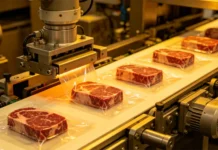
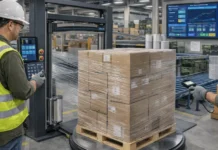
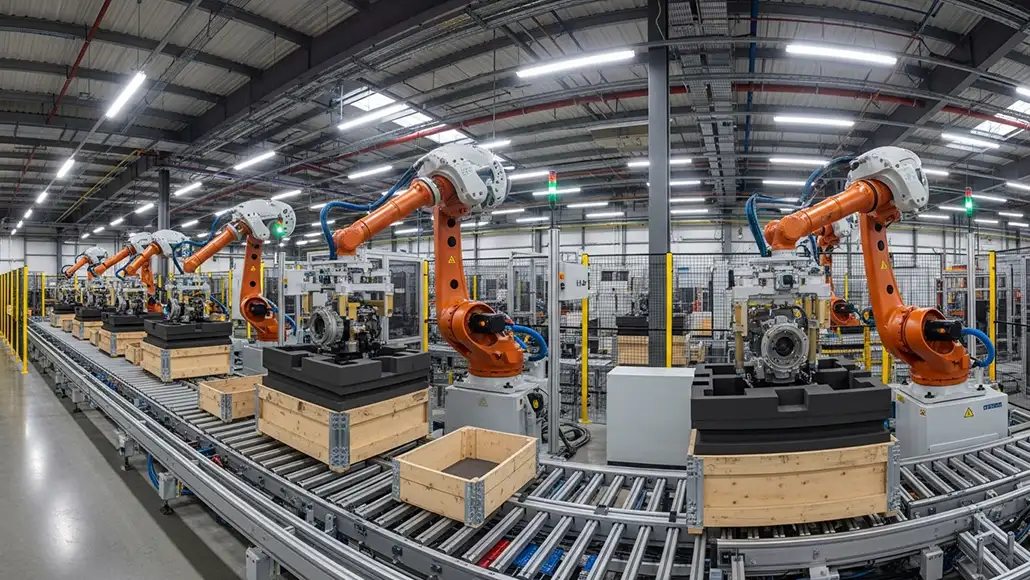
In the warehouse and the factory, the speed of fulfillment is dictated by the efficiency of the packaging line. The rise of automated packaging is one of the most impactful industrial packaging innovations of the last decade. High-speed robotic systems are now capable of erecting containers, filling them with precision-weighted goods, and sealing them with industrial-grade adhesives or straps at rates that human operators simply cannot match. This automation is particularly vital for bulk industrial container solutions, where the sheer scale of production requires a seamless, error-free packaging process to maintain production efficiency.
Standardizing Industrial Container Solutions for Automation
For robotics to work effectively, there must be a high degree of standardization. Industrial packaging innovations are moving toward standardized dimensions and modular designs that allow robotic grippers and conveyors to handle diverse products with minimal reconfiguration. This modularity is a key driver of packaging efficiency, as it allows for the rapid scaling of operations without the need for bespoke machinery for every new product. Furthermore, automated systems can optimize the use of materials, ensuring that only the necessary amount of wrap or strapping is applied, which reduces costs and minimizes the environmental footprint of the supply chain packaging.
The Synergy of AI and Machine Vision in Packaging
Modern automated packaging lines are increasingly equipped with machine vision systems powered by artificial intelligence. These systems can inspect every industrial container for defects such as a misaligned seal or a structural crack before it ever leaves the facility. This level of quality control is a critical industrial packaging innovation, as it ensures that only perfectly packaged goods enter the supply chain. By catching errors at the source, companies can avoid the astronomical costs associated with damaged goods and insurance claims, while simultaneously reinforcing their reputation for reliability and quality in the global market.
Sustainability as a Driver for Industrial Innovation
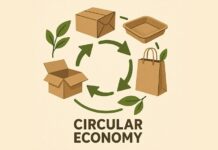
The final, and perhaps most urgent, frontier for industrial packaging innovations is the push for sustainability. The industrial sector has historically been a significant contributor to packaging waste, but the narrative is shifting. There is a growing movement toward the “circular industrial economy,” where durable packaging is designed for multiple uses rather than being discarded after a single trip. This involves the use of heavy-duty, collapsible plastic bins and metal racks that can be flattened and returned to the origin point, significantly reducing the demand for new materials and the volume of waste destined for landfills.
Recyclable and Biodegradable Industrial Materials
For one-way shipments, the development of eco-friendly industrial packaging innovations is picking up pace. We are seeing the introduction of reinforced paper-based pallets and biodegradable protective inserts that offer the same structural support as their plastic or wooden predecessors. These sustainable supply chain packaging options are becoming increasingly cost-competitive, driven by both consumer demand and legislative pressure. By integrating these materials into their industrial container solutions, manufacturers are demonstrating that high-performance logistics and environmental stewardship are no longer mutually exclusive.
Life Cycle Assessment and Future-Proofing
The future of industrial packaging innovations lies in the comprehensive Life Cycle Assessment (LCA) of every container produced. Designers are now considering the environmental impact of a package from the extraction of raw materials to its eventual disposal or repurposing. This holistic approach ensures that industrial container solutions are not just durable, but also sustainable in the long term. As global carbon taxes and waste regulations become more stringent, companies that have invested in efficient, eco-friendly, and tech-enabled packaging will be the ones that thrive. The evolution of industrial packaging is a testament to the power of innovation to transform the most traditional sectors into engines of modern progress.