















Key Takeaways:
- Printing technologies in packaging are undergoing a revolutionary shift toward high-resolution packaging printing and digital integration, enabling brands to achieve unprecedented levels of detail and color accuracy. This advancement allows for a new era of packaging customization, where short-run, personalized designs can be produced economically, directly responding to the modern consumer’s desire for unique and tailored brand experiences.
- The adoption of sustainable inks and eco-friendly printing processes is becoming a primary driver for packaging design trends in the global market. By utilizing water-based, soy, and UV-curable inks, manufacturers are significantly reducing the environmental impact of their production lines while maintaining high-performance aesthetics, ensuring that innovative printing solutions align with broader corporate sustainability and circular economy goals.
In the modern marketplace, the first point of contact between a consumer and a product is almost always visual. This immediate connection is forged by the graphics, colors, and textures that adorn the package. As a result, the evolution of printing technologies in packaging has become one of the most critical factors in determining a brand’s success. We have moved far beyond the days of simple labels; today, the industry is powered by sophisticated high-resolution packaging printing and digital workflows that allow for levels of detail, speed, and sustainability that were once unimaginable. These innovative printing solutions are not just changing how products look; they are fundamentally altering the strategic capabilities of global brands.
The Digital Transformation and High-Resolution Packaging Printing
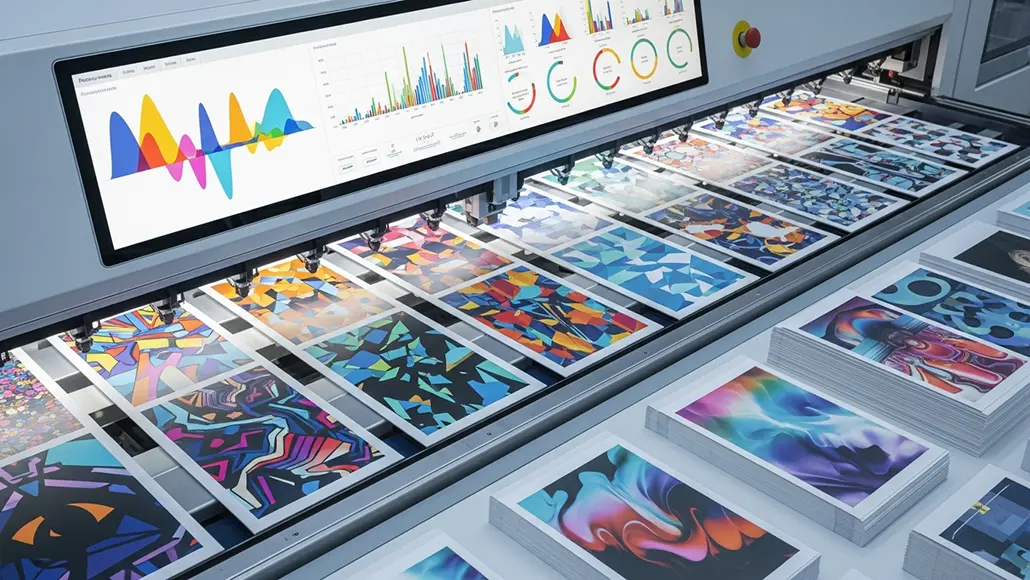
The most significant advancement in the field is the rapid rise of digital printing. Unlike traditional methods like offset or flexography, which require physical plates and long setup times, digital printing technologies in packaging transfer the image directly from a computer to the substrate. This shift has unlocked the door to high-resolution packaging printing that rivals the quality of a glossy magazine. Every detail, from the finest text to the most subtle gradients, is rendered with absolute precision. This level of clarity is essential for modern packaging design trends, which often favor intricate, photorealistic imagery and sophisticated branding.
Empowering Packaging Customization and Personalization
Digital technology has effectively democratized the world of high-end design. Because there are no plate costs, brands can now engage in deep packaging customization. We are seeing a move away from “mass marketing” toward “mass personalization.” Companies can print unique names, localized messages, or even distinct pieces of art on every single package in a production run. This capability is a powerful tool for consumer engagement, as it makes the product feel like it was made specifically for the individual buyer. Whether it’s a personalized soda bottle or a limited-edition perfume box, this level of customization is a hallmark of modern innovative printing solutions.
Speed to Market and Agile Brand Management
In a world where consumer trends change in the blink of an eye, speed is a competitive necessity. Digital printing technologies in packaging allow brands to move from a design concept to a finished product on the shelf in a matter of days rather than months. This agility enables companies to respond instantly to social media trends, sporting events, or seasonal shifts. By reducing the time and cost associated with “short-run” printing, digital workflows allow even the largest corporations to behave with the nimbleness of a startup, testing new designs and marketing strategies with minimal financial risk.
The Sustainable Shift: Eco-Friendly Inks and Processes
As environmental stewardship becomes a non-negotiable standard for global commerce, printing technologies in packaging are being reimagined through the lens of sustainability. One of the most impactful changes in this area is the transition to sustainable inks. Traditional petroleum-based inks often contain high levels of Volatile Organic Compounds (VOCs), which contribute to air pollution and can be hazardous to workers. In response, the industry is embracing water-based, soy-based, and vegetable-based alternatives. These sustainable inks provide the same vibrant colors as their predecessors but with a significantly lower ecological footprint.
UV-Curable Inks and Energy Efficiency
Another major innovation is the development of UV-curable inks. These inks dry or “cure” instantly when exposed to ultraviolet light, rather than through evaporation. This process eliminates the release of VOCs and allows for much faster production speeds. Furthermore, UV printing technologies in packaging consume less energy and require less ink to achieve the same level of saturation. This focus on resource efficiency is a key component of modern innovative printing solutions, helping manufacturers reduce their overhead while meeting the stringent environmental standards set by both regulators and consumers.
Designing for Recyclability and the Circular Economy
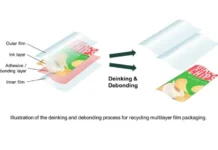
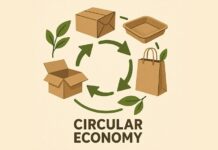
Sustainability in printing goes beyond the ink itself; it also involves how the print interacts with the recycling process. Modern high-resolution packaging printing now utilizes “de-inkable” formulations that allow the ink to be easily separated from the paper or plastic during recycling. This ensures that the raw materials can be recovered and reused to create new products. By integrating these circular principles into their packaging design trends, brands are demonstrating that high-end aesthetics do not have to come at the expense of the planet. This holistic approach is essential for the long-term viability of the packaging industry.
Functional Printing: Beyond Visual Appeal
Printing technologies in packaging are also becoming functional. We are seeing the emergence of “smart” and “active” inks that do more than just carry color. For instance, thermochromic inks can change color to indicate if a product has reached its ideal temperature or if it has been exposed to unsafe heat. Photochromic inks respond to light, revealing hidden messages or security features when placed under a UV lamp. These innovative printing solutions turn the package into a diagnostic tool, providing valuable information to both the retailer and the consumer.
Electronic Printing and Connected Packaging
One of the most exciting frontiers is the field of printed electronics. Through the use of conductive inks, manufacturers can now “print” sensors, batteries, and NFC antennas directly onto the packaging material. This technology allows for the creation of connected packaging that can interact with smartphones to provide authentication, tracking, and immersive brand experiences. This convergence of high-resolution packaging printing and digital technology is transforming the box into a sophisticated electronic device, opening up a world of possibilities for supply chain security and consumer interaction.
Anti-Counterfeiting and Security Printing
In an increasingly globalized market, protecting the integrity of a brand is more difficult than ever. Printing technologies in packaging address this through a range of covert and overt security features. Micro-printing, holographic foils, and color-shifting inks are now standard for high-value goods. These features are incredibly difficult to replicate, providing a robust defense against counterfeiters. By integrating these security elements into their packaging customization strategies, brands can ensure that their customers are always receiving an authentic product, thereby protecting their reputation and their revenue.
The Role of Substrate Innovation in Printing
The effectiveness of any print is largely determined by the material it is applied to. We are seeing a revolution in substrates, from ultra-thin films to high-quality recycled paperboards. Modern printing technologies in packaging are designed to be compatible with a diverse range of eco-friendly materials, including bio-plastics and agricultural-waste-based papers. The ability to maintain high-resolution packaging printing on these textured or absorbent surfaces is a testament to the technical progress of the industry. This synergy between material science and printing technology is what allows for the creation of truly innovative and sustainable packaging designs.
Conclusion: The Future of the Printed Word and Image
The world of printing technologies in packaging is one of constant motion. As we look to the future, we can expect to see even more integration between AI, nanotechnology, and the traditional arts of color and design. The goal is to create a package that is not only beautiful and informative but also intelligent and regenerative. By embracing sustainable inks, high-resolution packaging printing, and the power of digital customization, brands are setting the stage for a new era of commerce. In this landscape, the package is no longer a passive container; it is a dynamic, multi-sensory experience that reflects the values and the vision of the brand it represents.