














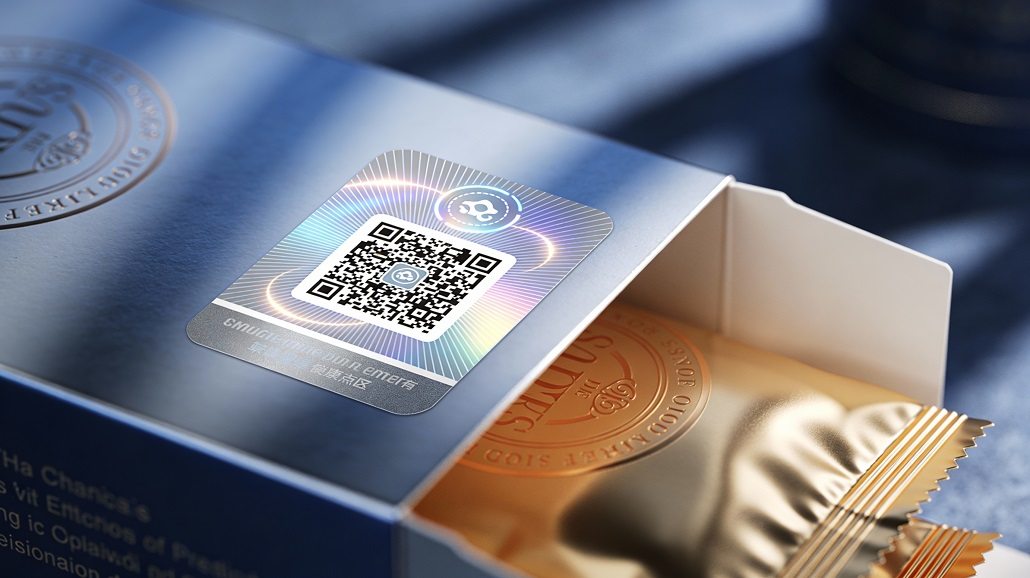

The Digital Revolution of Smart Stickers for Product Authentication
In the rapidly evolving landscape of global logistics and retail, the traditional paper label is undergoing a radical transformation that would have been unimaginable just a decade ago. The emergence of smart stickers for product authentication represents a unique convergence of material science, wireless communication, and cloud computing, creating a “connected” package that can effectively speak to both the consumer and the manufacturer. As global markets become more saturated and the risk of counterfeit infiltration increases, these intelligent labels are providing a necessary bridge between the physical item and its digital twin in the cloud. This transition from static information to dynamic, real-time data exchange is not just about security; it is about fundamentally redefining the relationship between a brand and its audience, ensuring that every purchase is backed by a digital guarantee of authenticity.
The Technological Core of Intelligent Packaging Labels
At the heart of smart stickers packaging is a variety of wireless communication technologies, most notably Near Field Communication (NFC) and Radio Frequency Identification (RFID). Unlike traditional barcodes or QR codes, which are purely visual and can be easily copied, photographed, or obscured, these electronic components are often embedded deep within the layers of the sticker itself. This makes them virtually invisible to the naked eye and extremely difficult for unauthorized parties to duplicate or tamper with. When an NFC-enabled smartphone or a professional scanner is brought close to a package equipped with these smart stickers for product authentication, a secure encrypted handshake occurs, instantly displaying the product’s unique digital ID, origin, batch number, and current authentication status. This seamless interaction provides a level of certainty that was previously impossible for the average consumer to achieve, effectively turning every smartphone into a professional-grade verification tool and a window into the product’s entire history.
Enhancing Transparency Through Connected Packaging Technology
The implementation of connected packaging technology goes far beyond simple “yes or no” authentication. It allows for the creation of a comprehensive, immutable digital ledger for every single item produced. For industries such as luxury fashion, high-end spirits, and specialized electronics, this means being able to track a product with surgical precision from the factory floor through every warehouse, shipping container, and retail shelf it touches. If a product intended for sale in North America suddenly appears in a secondary market in Southeast Asia, the system can flag this “gray market” diversion immediately, alerting the brand owner to a potential leak in their distribution chain. This level of traceability is a powerful weapon in the fight against organized retail crime and helps brands maintain their pricing integrity and exclusive distribution networks, which are often the foundation of their market value.
The Role of Anti-Counterfeit Smart Stickers in Consumer Safety
While luxury brands were the early and most visible adopters, the most significant impact of smart stickers for product authentication is being felt in sectors where safety is absolutely paramount, such as pharmaceuticals, infant formula, and automotive safety parts. In these categories, the ability to verify that a product has been handled correctly and is not a dangerous fake is a matter of critical public health. Advanced smart stickers can now include integrated sensors that monitor environmental conditions like temperature, humidity, and even physical shocks. If a temperature-sensitive medication or a delicate biological product has been exposed to extreme heat during transit, the smart sticker can update its internal status to “compromised,” warning the pharmacist or patient before the product is ever used. This proactive approach to safety is a major step forward in protecting vulnerable populations from the hidden and often deadly dangers of the illicit trade.
Redefining the Consumer Experience Through Interaction
One of the most exciting and commercially promising aspects of product authentication solutions is their ability to turn a one-way transaction into a two-way digital conversation. Once a consumer has used a smart sticker to verify their purchase, the brand can use that digital touchpoint to offer highly personalized and relevant content, such as instructional videos, styling tips, warranty registration, or exclusive “members-only” discounts. This “after-market” engagement builds a sense of community and brand loyalty that traditional, static marketing cannot replicate. For the consumer, the smart sticker becomes more than just a security feature; it is a badge of honor a proof of ownership that can be shared on social media or used to access digital perks in the emerging metaverse. This blend of security and lifestyle marketing is driving the rapid adoption of intelligent packaging labels across the lifestyle, gaming, and entertainment industries, where “phygital” (physical + digital) experiences are becoming the new standard.
Overcoming Challenges: Cost, Scalability, and Sustainability
Despite their obvious benefits, the widespread global rollout of smart stickers for product authentication has faced several significant hurdles. The primary challenge has been the unit cost of the electronic chips and the technical complexity of integrating them into existing high-speed labeling lines without slowing down production. However, recent advancements in the field of printed electronics are making it possible to “print” circuits directly onto paper or plastic substrates using conductive inks, which is significantly lowering the price point for mass-market adoption. Another major concern is the environmental impact of adding electronic components to packaging. Industry leaders are now responding by developing biodegradable antennas, eco-friendly batteries, and easily separable components, ensuring that the push for security does not come at the expense of the planet. As these technologies become more affordable and sustainable, the “smart” label will eventually become as ubiquitous as the barcode is today, appearing on everything from premium milk to high-end electronics.
The Future Horizon: AI and Blockchain Integration
Looking ahead, the next generation of smart stickers for product authentication will likely be powered by a powerful combination of Artificial Intelligence (AI) and Blockchain technology. By storing the authentication and tracking data on a decentralized, immutable blockchain, brands can ensure that the product’s history is impossible to hack, alter, or delete. This provides a “single source of truth” for all parties in the supply chain. Simultaneously, AI algorithms can analyze the massive amounts of data generated by millions of smart stickers to identify subtle patterns of counterfeit activity, supply chain bottlenecks, or shifting consumer preferences before they become major problems. This move toward “predictive security” will allow brands to be proactive rather than reactive, effectively shutting down counterfeit operations at the source and optimizing their logistics for maximum efficiency and minimum waste. The humble sticker is no longer just a piece of paper with an adhesive; it is the cornerstone of a new, transparent, and secure global economy where trust is hard-coded into every physical interaction.
The Impact on Retail and Inventory Management
Beyond security and consumer engagement, smart stickers are revolutionizing the way retailers manage their stock. Traditional inventory counts often involve manual scanning of barcodes, which is time-consuming and prone to human error. In contrast, a store equipped with smart stickers and overhead RFID readers can perform a full inventory count in minutes, providing 99% accuracy. This “real-time inventory” capability allows retailers to reduce their safety stock, minimize out-of-stock situations, and better manage product expirations. For the consumer, this means a better shopping experience with products always available when they need them. For the manufacturer, it means better visibility into sell-through rates, allowing them to adjust production schedules based on actual demand rather than historical estimates. This efficiency is a key driver for the adoption of intelligent packaging labels across the global retail sector, where speed and accuracy are the primary drivers of profitability.
Conclusion: A New Era of Product Trust
The journey of the smart sticker from a laboratory curiosity to a global industrial standard is a testament to the power of technology to solve real-world problems. By providing a secure, scalable, and interactive solution for product authentication, these intelligent labels are restoring trust in a global marketplace that has been increasingly compromised by fraud. As we move further into the digital age, the line between the physical and digital worlds will continue to blur, and smart stickers will be at the very center of that transition. They represent a commitment by brands to transparency, safety, and innovation values that the modern consumer prizes above all else. In the end, the success of smart stickers for product authentication will be measured not just by the numbers of counterfeits stopped, but by the strength of the relationship it builds between the people who make things and the people who use them.