








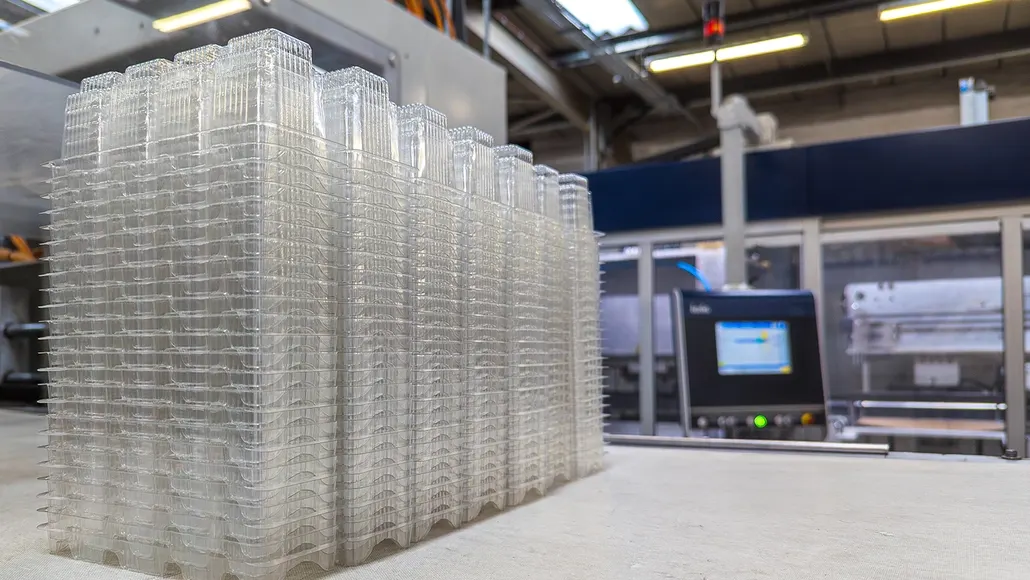
Stockport-based Macpac has partnered with Valpak to introduce a new in-house solution aimed at improving sustainability decision-making in packaging. The newly developed Packaging Carbon Calculator represents a strategic step for the company as it continues to strengthen its focus on thermoformed packaging solutions aligned with evolving environmental targets and the needs of its expanding global client base. Designed to deliver clear and comparable life cycle assessment (LCA) data, the tool supports businesses in navigating increasingly stringent regulations while working toward their science-based targets (SBTs).
The system enables detailed comparisons across a wide range of packaging materials, including plastic, bio-plastics, paper and card. By offering insights into carbon footprint variations, it allows users to evaluate whether their current material choices are optimal. The tool also highlights potential reductions achievable through measures such as increasing recycled content, reducing material thickness, switching materials, or minimising pack size. This level of visibility provides companies with a structured approach to balancing performance, compliance, and environmental responsibility.
A key advantage of the Packaging Carbon Calculator is its applicability early in the design process. By integrating carbon assessments at the concept stage, businesses gain sufficient time to explore alternative configurations and refine packaging strategies before production begins. At the same time, the tool remains relevant for packaging already in development or in-market, ensuring flexibility across the entire product lifecycle. Outputs are presented in a clear, visual format tailored to individual client requirements, with easy-to-interpret datasheets suitable for internal evaluation and sustainability reporting.
Aligned with its broader sustainability strategy, Macpac continues to utilise rPET in its thermoformed packaging portfolio. This material contains a minimum of 30% post-consumer recycled content and is fully recyclable. The company also retains the capability to increase recycled content up to 100% where required. By doing so, Macpac demonstrates that higher recycled input can contribute to lower carbon footprints, in some cases outperforming traditional paper or card-based packaging alternatives.