














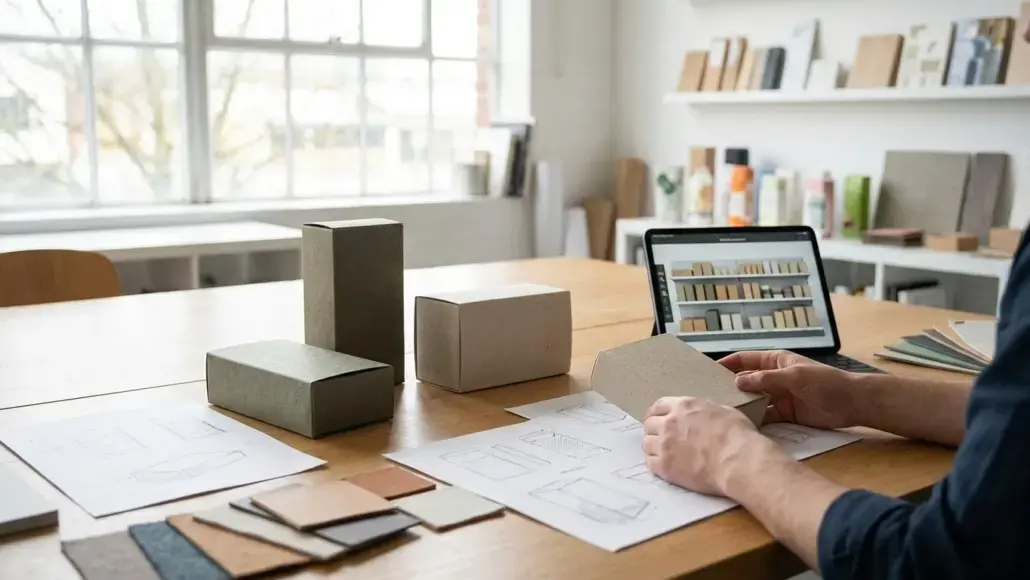

Packaging does more than protect products during shipping. Rather than serving a purely functional role, it has become a strategic tool for catching shoppers’ attention and influencing purchasing decisions. Modern suppliers for consumer goods retail packaging integrate design expertise, printing capabilities and merchandising knowledge to help brands stand out on crowded shelves and create consistent experiences across stores and online channels.
Retail Packaging’s Progress From Protector to Promoter
Packaging’s role has expanded beyond simple product protection during transit. It’s now a critical first point of contact with consumers, functioning as a silent salesman on retail shelves. In one survey, 76.8% of consumers stated product packaging designs create distinct product experiences, and 30.8% shared an image of the ones they liked on social media.
The growth of e-commerce has also influenced design priorities. Retail packaging manufacturers now participate earlier in product development, collaborating with marketing teams and supply chain managers to ensure packaging serves multiple functions.
Core Principles of Packaging That Captivate Consumers
Structural design and visual hierarchy work together to capture shopper attention and communicate brand values clearly. Before consumers even open the package, tactile finishes and premium materials shape their perception of product quality.
Material selection increasingly reflects sustainability priorities. The cardboard recycling rate reached 69%-74% in 2024, which makes it an attractive option for environmentally conscious brands. Merchandisers must carefully manage visual impact, manufacturing efficiency and product protection to make items stand out on the shelves.
How Suppliers for Consumer Goods Retail Packaging Bridge the Gap From Warehouse to Shelf Appeal
Effective packaging must maintain product integrity throughout distribution and arrive at retail locations ready for display. To meet this requirement, careful engineering ensures packages withstand shipping stresses and still deliver strong merchandising value.
Suppliers for consumer goods retail packaging rely on prototyping and structural validation to ensure consistent in-store presentation. Identifying potential issues before full production runs saves time and money. These tests simulate real-world conditions, from warehouse handling to shelf stocking, so packages arrive looking as intended.
Putting Theory Into Practice Through High-Impact Consumer Packaging Solutions
The best way to understand these principles is to see them in action. Great Northern Packaging demonstrates how modern suppliers for consumer goods retail packaging combine structural design, printing and supply chain expertise. Through a consultative approach, the company helps brands address merchandising and logistics challenges across the food and beverage, home goods, and medical equipment sectors.
The company has 60 years of experience and brings design, prepress, manufacturing and distribution capabilities under one roof. This integrated structure allows brands to work with a single partner from concept through delivery rather than coordinating multiple vendors. The result is faster time to market and packaging solutions that align with retailer requirements and brand standards.
Folding Cartons
Efficient manufacturing and strong product protection come together in custom folding cartons. Specialty finishes like spot UV coating, embossing and foil stamping create shelf differentiation. Multiple print versions allow brands to manage seasonal promotions or regional variations without retooling the structural design.
Custom die-cuts, window panels and reinforced corners can be engineered to accommodate products ranging from lightweight cosmetics to heavier retail goods. To meet specific retailer specifications, Great Northern Packaging engineers folding cartons that maintain consistent brand representation across different store formats and package sizes.
Key Features
- High-quality printing and premium finishing options for strong shelf appeal
- Customizable structures that accommodate a wide range of product sizes
- Compatible with automated filling and high-volume production lines
Shelf-Ready Packaging
Shelf-ready packaging cuts replenishment time and delivers clean, organized retail presentations that work in mass market and club store environments. Perforated tear strips and quick-access panels allow retail staff to stock shelves faster without needing box cutters or additional prep work.
The shelf-ready solutions from Great Northern Packaging deliver high-impact graphics on all visible panels. They also undergo International Safe Transit Association-certified testing to verify they can withstand distribution handling while maintaining their retail-ready appearance.
Key Features
- Easy-open designs that speed shelf replenishment and reduce labor requirements
- Retail-ready structures that maximize product visibility and organized displays
- Engineered to withstand transportation while maintaining an attractive in-store appearance
Windowed Cartons
Allowing consumers to view products before purchase increases confidence and perceived authenticity, particularly for items where texture or product appearance drives buying decisions. Windowed cartons address this need using acetate windows that can be die-cut into custom shapes to frame the product strategically.
The challenge lies in maintaining structural integrity alongside visibility, as window placement affects the carton’s compression strength and stacking performance. As part of its retail packaging portfolio, Great Northern Packaging uses windowed formats with reinforced panels and structural compensations to strengthen product differentiation while ensuring packages can withstand retail distribution.
Key Features
- Clear product visibility that builds shopper confidence before purchase
- Custom window shapes and placements that enhance brand differentiation
- Durable construction that balances product protection with merchandising impact
Captured Blister Packaging
Consumer electronics and accessories requiring theft deterrence benefit particularly from this format. The clear plastic blister traps the product between a printed backing card and a formed front panel, making removal without purchase nearly impossible.
The rigid construction deters package tampering while allowing full product visibility from multiple angles. Structural engineering focuses on designing blister cavities that hold products securely without excess material, while custom graphics on the backing card provide branding space and product specifications without obscuring the item itself.
Key Features
- Secure product retention that minimizes tampering and theft
- Excellent product visibility for consumer electronics, hardware and retail accessories
- Custom card graphics that provide ample space for branding and product information
Corrugated Packaging
Shipper displays that double as floor stands and end-cap units designed for high-traffic areas bring together the structural strength of corrugated packaging with full-color flexographic and litho-laminated printing. These formats allow brands to move products from distribution centers directly to retail floors without repackaging or additional setup.
The integrated design, manufacturing and printing capabilities at Great Northern Packaging help brands improve their shelf presence. It engineers displays that maximize product facings, incorporate brand messaging on all visible surfaces and hold up to shopper interaction in high-volume retail environments.
Key Features
- Durable construction that protects products throughout shipping and retail handling
- Custom printing and structural designs for eye-catching retail displays and promotional packaging
- Recyclable material options that support environmental initiatives without compromising performance
The Rise of Sustainable Packaging
Consumer demands and environmental regulations are pushing suppliers to innovate with recyclable and eco-friendly materials. In fact, 69% of consumers globally perceive compostable packaging as a sustainable option. Recyclable materials, fiber-based formats and lightweight designs support circular economy initiatives.
Environmental responsibility and shelf appeal no longer represent competing goals. Creative retail packaging solutions demonstrate how advances in printing technology enable brands to develop eye-catching packages from sustainable materials.
Frequently Asked Questions About Packaging and Merchandising
Common questions arise when brands evaluate packaging strategies and supplier partnerships. These answers address key considerations for industry professionals.
How do packaging suppliers support visual merchandising beyond package manufacturing?
Modern packaging suppliers contribute throughout product development by providing structural design, graphics prototyping, transit testing and retail merchandising expertise. From shelf impact to logistics efficiency, their role extends across the entire development process.
What packaging solutions work best for improving retail shelf visibility?
The ideal solution depends on the product category and merchandising objectives. Common options include folding cartons for premium branding and corrugated displays for promotional merchandising. Creative retail packaging often combines multiple approaches to address specific brand challenges.
What should brands consider when choosing a packaging supplier?
Evaluate retail packaging suppliers based on design and engineering capabilities, customization options, and retail knowledge. Collaborative product development and supply chain support are also critical to ensure packaging performs throughout the product life cycle.
Creating a Cohesive and Memorable Brand Experience
Rather than simply holding products, modern packaging is a strategic driver for brand building. When visual appeal, functionality and environmental responsibility come together, brands build stronger retail experiences and lasting consumer loyalty. Working with experienced suppliers for consumer goods retail packaging helps brands handle these complex requirements and maintain focus on core business objectives.