














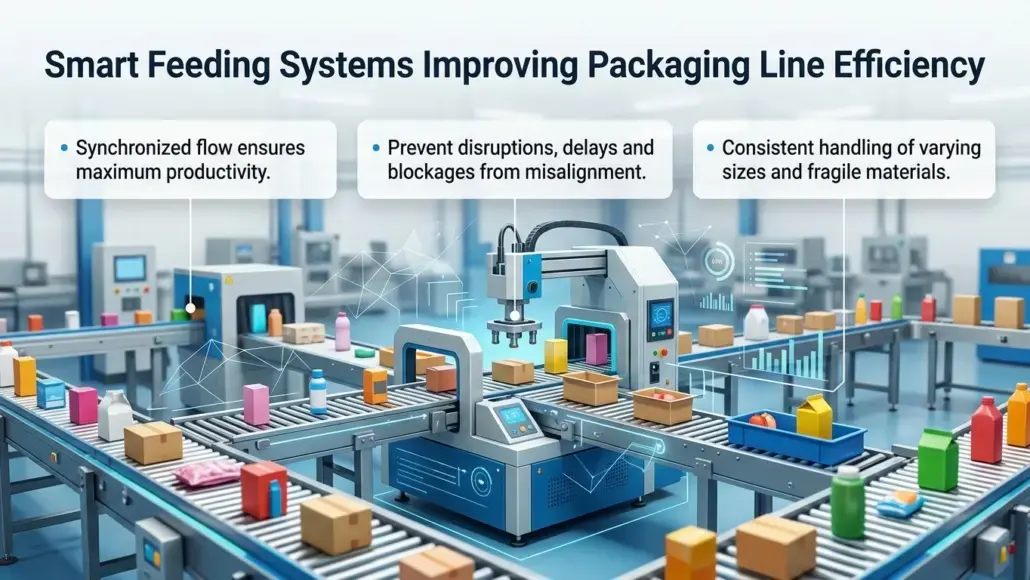
The synchronization of product flow within a high-speed manufacturing environment is a critical factor in determining the overall productivity of the operation. When products are moved from the initial processing stage to the final container, any disruption in the timing or orientation of the items can lead to significant delays and equipment blockages. Traditional mechanical feeders often struggle to maintain consistency, especially when dealing with products of varying sizes or fragile materials. To address these challenges, the industry is increasingly utilizing advanced sensor-driven technology, and it is clear that smart feeding systems improving packaging operations are essential for modern high-performance facilities.
Smart feeding systems utilize a combination of sophisticated sensors, motion control technology, and software algorithms to manage the movement of products with high precision. These systems can detect the presence, position, and orientation of every item on the line, adjusting the speed of the conveyor or the action of the feeding mechanism in real-time. This dynamic response ensures that products are delivered to the packaging machine in the exact state required for successful processing. By eliminating the manual adjustments and physical jams associated with older technology, these systems provide a significant boost to packaging line efficiency.
Throughput Optimization and Material Flow
The primary benefit of integrating these systems is the ability to achieve much higher levels of throughput optimization. In many facilities, the packaging machine is capable of running at very high speeds, but it is limited by the ability of the feeding system to keep up. Smart feeding mechanisms can organize products into precise patterns and deliver them at the exact frequency needed by the downstream equipment. This seamless coordination allows the entire line to operate at its maximum potential, increasing the total number of units produced per shift without the need for additional labor or space.
Effective material flow is also a cornerstone of maintaining a consistent manufacturing process. When products are fed irregularly, it creates a “pulsing” effect on the line, which can lead to excessive wear and tear on the machinery and a higher rate of defective packages. Smart feeding systems improving packaging lines provide a steady and predictable stream of products, which reduces the stress on the entire system and leads to a more stable operation. This stability is particularly important in industries such as food and beverage or pharmaceuticals, where any variation in the packaging process can have serious implications for product quality and safety.
Reducing Line Downtime and Maintenance Costs
One of the most significant hidden costs in any manufacturing operation is line downtime caused by equipment failures or product jams. Conventional feeding systems often require frequent manual intervention to clear blockages or to change over between different product formats. Smart feeding systems are designed to be highly adaptable, with many featuring automated changeover capabilities that can be controlled through a central interface. This reduces the time spent on setup and allows the facility to switch between different products in a fraction of the time, further enhancing packaging line efficiency.
The use of advanced diagnostics and predictive maintenance is another key feature of modern industrial automation. Many smart feeding systems are equipped with sensors that monitor the health of the equipment, identifying signs of wear or potential failure before they lead to an unplanned stoppage. This allows maintenance teams to schedule repairs during planned downtime, minimizing the impact on production schedules. By providing a clear view into the operational status of the feeding mechanism, these systems help to reduce the total cost of ownership and ensure that the facility remains operational when demand is at its peak.
Precision Product Handling and Quality Assurance
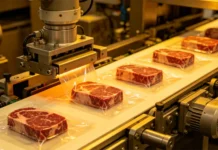
The handling of delicate or irregularly shaped products requires a high degree of precision to prevent damage during the feeding process. Smart feeding systems use gentle acceleration and deceleration profiles to move products without subjecting them to excessive force. This is particularly important for items such as baked goods, electronics, or personal care products that can be easily bruised or broken. By ensuring that the product arrives at the packaging stage in perfect condition, these systems contribute directly to the overall quality assurance goals of the organization.
The integration of vision systems within the feeding mechanism also allows for the identification and removal of defective products before they are packaged. If a product is broken, misshapen, or otherwise does not meet the required standards, the system can automatically divert it from the line. This prevents the waste of packaging materials and ensures that only high-quality products are delivered to the customer. Smart feeding systems improving packaging quality are therefore a vital part of maintaining a strong brand reputation and reducing the costs associated with product returns and waste.
Strategic Investment in Manufacturing Technology
For companies looking to remain competitive in a global market, the adoption of advanced manufacturing technology is no longer optional. The investment in smart feeding systems provides a clear return through improved productivity, lower labor costs, and reduced waste. As the technology continues to mature, it is becoming more accessible to medium-sized enterprises, allowing them to compete with larger competitors on both quality and price. The role of industrial automation in driving the next wave of manufacturing excellence is indisputable, and the feeding system is a critical part of that journey.
The data generated by these systems also provide a wealth of information for continuous improvement initiatives. By analyzing the performance data from the feeding mechanism, plant managers can identify bottlenecks and inefficiencies that may not be visible to the naked eye. This data-driven approach allows for the fine-tuning of the entire production process, leading to ongoing gains in packaging line efficiency over time. The ability to measure and analyze every aspect of the operation is what separates high-performing facilities from their less efficient counterparts.
Conclusion
The move toward intelligent product handling is a fundamental shift in how manufacturing facilities are designed and operated. By replacing rigid mechanical systems with flexible, software-driven technology, firms can achieve a level of operational precision that was previously impossible. The success of any modern packaging operation depends on the seamless coordination of every component, and the feeding system is the point where that coordination begins.
As the industry moves toward more customized and smaller-batch production, the need for flexible and intelligent feeding systems will only grow. The ability to handle a wide variety of products with minimal changeover time will remain a key differentiator for successful firms. The ongoing evolution of smart feeding systems improving packaging performance will continue to provide the foundation for a more efficient, responsive, and profitable manufacturing sector.

