








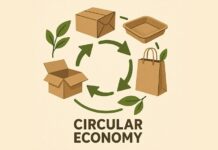



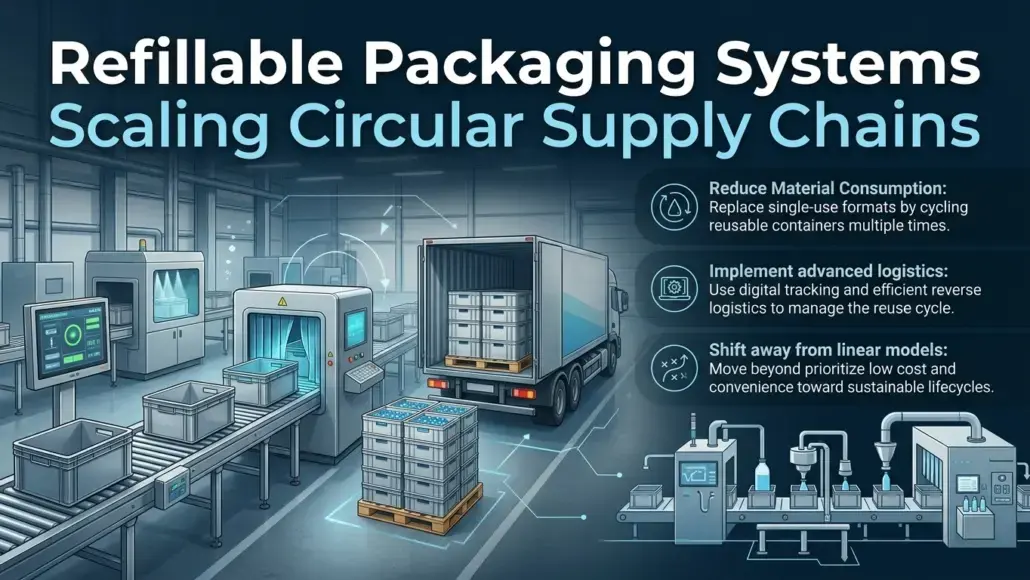
The industrial transition toward a circular economy has placed a renewed emphasis on the development of refillable packaging systems as a primary method for reducing material consumption and waste generation. For decades, the packaging sector relied on a linear model of production, consumption, and disposal, which prioritized low cost and convenience. However, the environmental costs of single use formats have led to a structural shift in how brand owners and logistics providers view the lifecycle of a package. Scaling these systems requires a fundamental reconfiguration of the supply chain, moving away from centralized production and toward decentralized loops that prioritize the recovery and sanitization of packaging assets.
Implementing these loops is not merely a design challenge but a logistical one that involves multiple stakeholders across the value chain. Retailers, manufacturers, and waste management companies must collaborate to create an infrastructure that can handle the collection and sorting of used containers. This requires significant investment in reverse logistics capabilities, which have traditionally been a secondary consideration in supply chain management. The success of these initiatives depends on the ability to achieve a high return rate for the packaging, as the environmental benefits of refillable systems are only realized after a specific number of reuse cycles.
Infrastructure Requirements for Closed Loop Reverse Logistics
The central pillar of any successful reuse initiative is the establishment of an efficient reverse logistics network. Unlike traditional recycling, which often involves the downgrading of materials, refillable packaging systems require the return of the exact container to a processing facility where it can be cleaned and refilled. This necessitates a localized infrastructure to minimize the carbon footprint associated with transporting empty containers over long distances. High density urban environments often provide the best starting point for these systems, as the shorter distances between the point of collection and the cleaning facility improve the overall carbon efficiency of the loop.
Automated collection points, such as reverse vending machines, are becoming a standard feature in many retail environments to facilitate the return of containers. These machines use optical sensors and weight checks to verify the integrity of the returned packaging, ensuring that only suitable units enter the cleaning stream. For the system to scale, these collection points must be standardized so that consumers can return packaging from different brands to a single location. This interoperability is a significant hurdle, as many companies view their unique packaging design as a core part of their brand identity.
Sanitization is another critical component of the infrastructure. Facilities must meet stringent hygiene standards, particularly for food and beverage applications, to ensure that no residues remain from previous uses. This involves high temperature washing processes and the use of specialized detergents that are effective yet environmentally friendly. The energy and water consumption of these cleaning processes must be carefully monitored to ensure that they do not outweigh the benefits of avoiding single use production. Advancements in water recycling technologies within these facilities are helping to reduce the overall environmental impact of the sanitization stage.
Material Selection and Durability Standards for Repeated Use
Designing for reuse requires a different set of material priorities than designing for single use. While lightweighting is the primary goal for disposable packaging, durability and resistance to stress are the most important factors for refillable units. Materials must be able to withstand repeated cycles of washing, transportation, and refilling without losing their structural integrity or aesthetic appeal. Glass, stainless steel, and high density polymers like polypropylene or tritan are the most common choices due to their inherent strength and chemical resistance.
The surface finish of the material plays a vital role in its longevity. Scratches and abrasions not only detract from the brand image but can also harbor bacteria, making the cleaning process more difficult. Manufacturers are exploring the use of hard coatings and specialized additives that improve the scratch resistance of plastic containers. In the case of glass, coatings can be applied to reduce the likelihood of breakage during high speed handling on bottling lines. These enhancements increase the initial cost of the package, but the cost per use decreases significantly over the life of the asset.
Standardization of shapes and sizes is also being discussed as a way to improve the efficiency of the cleaning and refilling process. If multiple brands use the same bottle geometry, the same machinery can be used to process them, leading to significant economies of scale. However, this remains a contentious issue in the industry, as brands are hesitant to give up the differentiation provided by custom packaging. The development of modular designs, where a standard base bottle can be customized with different closures or labels, offers a potential middle ground that maintains brand identity while facilitating industrial scale reuse.
Digital Tracking and IoT Integration in Circular Assets
To manage a fleet of reusable containers effectively, companies are turning to digital tracking technologies. Integrating Internet of Things (IoT) sensors, Radio Frequency Identification (RFID) tags, or unique QR codes into the packaging allows for real time monitoring of each asset as it moves through the supply chain. This packaging data intelligence is essential for calculating the return rate and identifying bottlenecks in the loop. By knowing exactly how many times a container has been used, companies can determine when it has reached the end of its functional life and should be removed for recycling.
Digital tracking also provides valuable insights into consumer behavior. Brands can see where containers are being returned and how long they typically stay in the hands of the consumer. This information can be used to optimize collection schedules and design more effective incentive programs. For example, some companies offer digital rewards or deposits that are automatically credited to a user’s account when the packaging is scanned at a return station. This creates a more frictionless experience for the consumer and encourages higher participation rates in refillable packaging systems.
The integration of blockchain technology is also being explored to create a transparent and immutable record of the packaging lifecycle. This can be particularly useful for verifying the sustainability claims of a brand, as it provides a clear audit trail of every wash and refill cycle. In a regulatory environment that is increasingly focused on corporate accountability and greenwashing, having verifiable data is a major advantage. Additionally, these digital systems can alert operators to potential issues, such as a batch of containers that may have been exposed to extreme temperatures or contamination, allowing for rapid intervention.
Economic Viability and Consumer Adoption Models
The economic case for refillable packaging systems is built on the long term reduction of material costs. While the initial investment in durable packaging and reverse logistics infrastructure is high, the cost per use eventually drops below that of single use formats. For brand owners, the transition requires a shift in accounting from seeing packaging as an expense to seeing it as a capital asset. This can be a difficult transition for companies that are used to the low upfront costs of disposable plastic.
Consumer adoption is the final piece of the puzzle. For these systems to succeed, they must be as convenient as the single use alternatives they are replacing. Research indicates that consumers are generally supportive of the idea of reuse, but their actual behavior is often driven by ease of use and price. Subscription models, where new products are delivered and empty containers are picked up from the doorstep, are proving to be successful in the home care and personal care sectors. These models eliminate the need for the consumer to carry empty bottles back to the store, addressing one of the primary barriers to adoption.
Pricing strategies also play a role in encouraging reuse. Implementing a deposit return scheme provides a clear financial incentive for consumers to return the packaging. In some markets, the cost of the product is decoupled from the cost of the container, so the consumer only pays for the refill once they have joined the system. As the infrastructure matures and the volume of reusable packaging increases, the operational costs will decrease, allowing these products to be priced competitively with single use options. The ongoing development of refillable packaging systems is a testament to the industry’s commitment to finding sustainable solutions that meet the needs of both the environment and the modern consumer.
The long term viability of these systems will depend on the ability of the industry to scale them beyond niche applications. While early successes have been seen in specific categories like water and laundry detergent, expanding into more complex food categories will require further innovation in barrier technology and food safety protocols. The collaboration between technology providers, brand owners, and policy makers is essential to create the regulatory frameworks and financial incentives needed to support this transition. As the circular economy continues to evolve, the lessons learned from the current generation of refillable initiatives will be invaluable for building a more resilient and sustainable packaging future. Final success will be measured not by the launch of individual pilots, but by the widespread integration of reuse into the everyday operations of the global supply chain.

