

















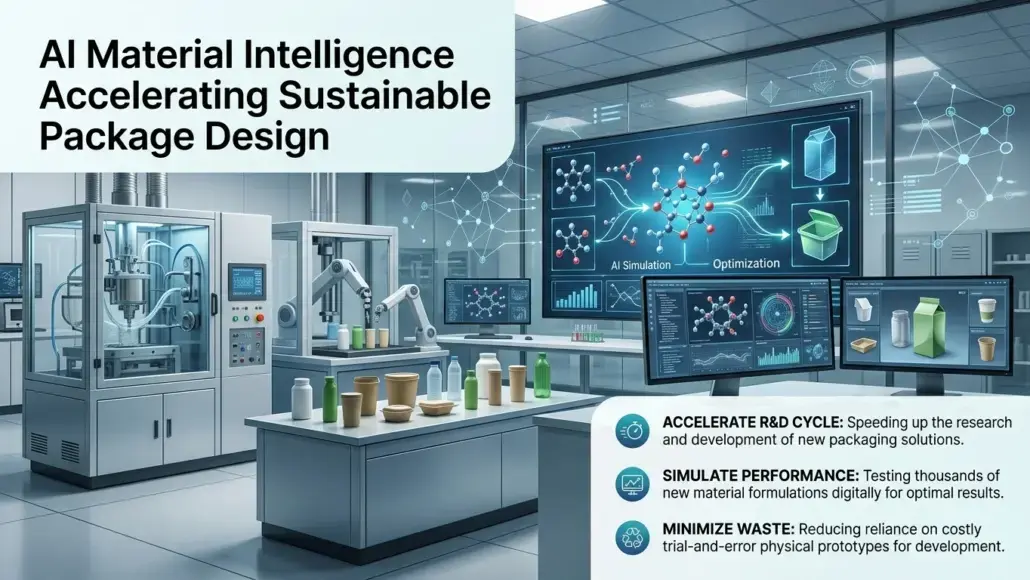
The integration of advanced computing into the field of material science is fundamentally altering how containers are developed and tested. As the global packaging industry faces increasing pressure to reduce its environmental footprint, the reliance on traditional trial and error methods for material discovery is becoming a significant bottleneck. The emergence of AI material intelligence provides a way to accelerate the research and development cycle, allowing engineers to simulate thousands of molecular combinations in a fraction of the time it would take to perform physical experiments. This transition is essential for meeting the ambitious sustainability targets set by both corporate mandates and international regulations.
Beyond simple automation, these systems utilize deep learning algorithms to identify patterns in material behavior that are often invisible to the human eye. By analyzing vast datasets of chemical properties, mechanical performance, and environmental degradation, artificial intelligence can predict how a new polymer blend will perform under real world conditions. This capability is particularly valuable in the development of multi layer structures where the interaction between different resins and adhesive layers determines the overall integrity of the package. The shift toward digital material design is moving the industry away from reactive problem solving and toward a proactive model of innovation.
Predictive Modeling for Barrier Performance and Shelf Life
One of the most impactful applications of AI material intelligence is the prediction of gas and moisture permeability in new substrate formulations. Barrier performance is the most critical factor in determining the shelf life of food and pharmaceutical products, and achieving the right balance of protection often requires complex layering. Traditional testing for oxygen transmission rates can take days or even weeks to complete for a single sample. Artificial intelligence can model the diffusion of molecules through a specific material structure in seconds, providing immediate feedback to designers during the initial concept phase.
These predictive models take into account variables such as temperature, humidity, and mechanical stress, which can all affect the efficiency of a barrier. For instance, an algorithm can predict how a thin layer of bio based coating will behave when subjected to the high temperatures of a sterilization process. This allows manufacturers to optimize the thickness of their barrier layers, reducing material usage while still ensuring that the contents remain safe for consumption. The ability to precisely tune these properties is a major step forward in the quest to create thinner, more efficient packaging without compromising functional performance.
Additionally, machine learning can assist in the evaluation of how different chemical additives impact the long term stability of a package. Some barrier enhancers may provide excellent initial protection but degrade over time when exposed to ultraviolet light or specific food acids. By training models on historical stability data, companies can avoid the costly mistake of launching a product that fails prematurely in the supply chain. This level of foresight is invaluable for brands that operate in global markets with diverse climatic conditions, ensuring that their packaging performs consistently regardless of where it is sold.
Accelerating Discovery of Bio Based Polymer Blends
The search for alternatives to fossil fuel based plastics has led to an explosion of interest in bio based polymers derived from plants, algae, or agricultural waste. However, these materials often lack the mechanical strength or barrier properties of their synthetic counterparts. Using AI material intelligence, researchers can explore the vast space of potential bio based blends to find combinations that meet industrial requirements. This involves simulating the molecular structure of different polysaccharides, proteins, and lipids to understand how they will bond and interact when processed on standard extrusion equipment.
Computational modeling allows for the rapid screening of potential raw materials based on their availability, cost, and environmental impact. For example, if a specific type of cellulose fiber shows promise as a reinforcing agent, the AI can suggest the optimal concentration and orientation of those fibers to maximize the tensile strength of the resulting film. This targeted approach to material development reduces the amount of physical waste generated during the R&D process and ensures that only the most viable candidates proceed to the pilot production stage.
The speed at which these discoveries are made is critical for the industry’s transition to a circular economy. The development of a new polymer once took a decade or more from laboratory discovery to commercialization. With the aid of machine learning, this timeline can be reduced to just a few years. This acceleration is particularly important for addressing urgent environmental challenges, such as the accumulation of microplastics in the ocean. By quickly identifying and scaling biodegradable alternatives, the packaging sector can significantly reduce its long term impact on the planet.
Generative Design for Structural Optimization and Lightweighting
Lightweighting remains a primary strategy for reducing the carbon footprint of packaging, but removing material often compromises the structural integrity of the container. Generative design, powered by artificial intelligence, offers a solution to this problem by automatically creating geometries that provide the maximum strength with the minimum amount of material. By inputting the required load bearing capacity, top load strength, and impact resistance, engineers can use AI to generate unconventional shapes that use material only where it is absolutely necessary.
These AI generated designs often result in complex ribbing patterns or variable wall thicknesses that would be difficult for a human designer to conceptualize. In the case of rigid plastic bottles, this can lead to weight reductions of 10% to 20% while maintaining the same performance standards as heavier predecessors. The integration of these designs with advanced manufacturing techniques, such as high precision injection molding, allows for the production of containers that are both lighter and more resilient. This not only reduces raw material costs but also lowers transportation emissions due to the reduced weight of the finished goods.
The application of generative design extends to the secondary and tertiary packaging sectors as well. Corrugated boxes and shipping pallets can be optimized to withstand the specific stresses of the modern logistics environment, including the vibrations of truck transport and the pressures of high density stacking in warehouses. By reducing the weight of these components, companies can achieve significant savings across their entire distribution network. The ability of artificial intelligence to balance multiple competing objectives, such as cost, weight, and durability, makes it an essential tool for the next generation of industrial design.
Enhancing Sortation and Recyclability through Machine Learning
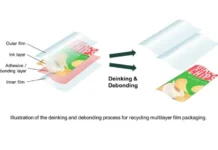
The final stage of the packaging lifecycle, sortation and recycling, is also being transformed by artificial intelligence. The efficiency of a circular economy depends on the ability to accurately separate different material types from a mixed waste stream. Traditional optical sorters use infrared light to identify polymers, but they often struggle with dark colors, multi layer structures, or heavily contaminated items. Machine learning algorithms, trained on thousands of images of crushed and soiled packaging, can identify objects with a much higher degree of accuracy based on their shape, size, and branding.
This technology allows for the separation of food grade materials from non food grade items, which is a critical requirement for closing the loop in the plastics industry. By identifying specific brand owners or product categories, recycling facilities can create high purity streams of recycled resin that can be safely used back in the production of new packaging. The data collected during the sortation process also provides feedback to designers, identifying which formats are most likely to be rejected by the recycling system. This closes the information gap between the beginning and the end of the supply chain, enabling a more holistic approach to sustainable design.
Also, AI can optimize the chemical recycling processes that break down plastics into their original monomers. By monitoring the conditions within a dissolution or pyrolysis reactor in real time, machine learning can adjust the temperature, pressure, and catalyst concentrations to maximize the yield of high quality output. This level of process control is essential for making chemical recycling economically viable at a large scale. The continuous refinement of these technologies, driven by AI material intelligence, is paving the way for a future where all packaging materials are recovered and reused, virtually eliminating the concept of waste in the industrial sector.
The implementation of these advanced computing tools requires a shift in how companies manage their research data. Building effective AI models requires high quality, structured data that covers a wide range of material properties and performance outcomes. Collaboration between industry partners to share non competitive data could further accelerate the development of sustainable solutions for the entire sector. As artificial intelligence continues to mature, its role in packaging will expand from a specialized tool to a central component of the design and manufacturing process. The ability to harness this intelligence will define the leaders in the next era of sustainable industrial production. Final success in creating a truly circular packaging ecosystem will depend on the seamless integration of digital innovation with physical material science.

