
















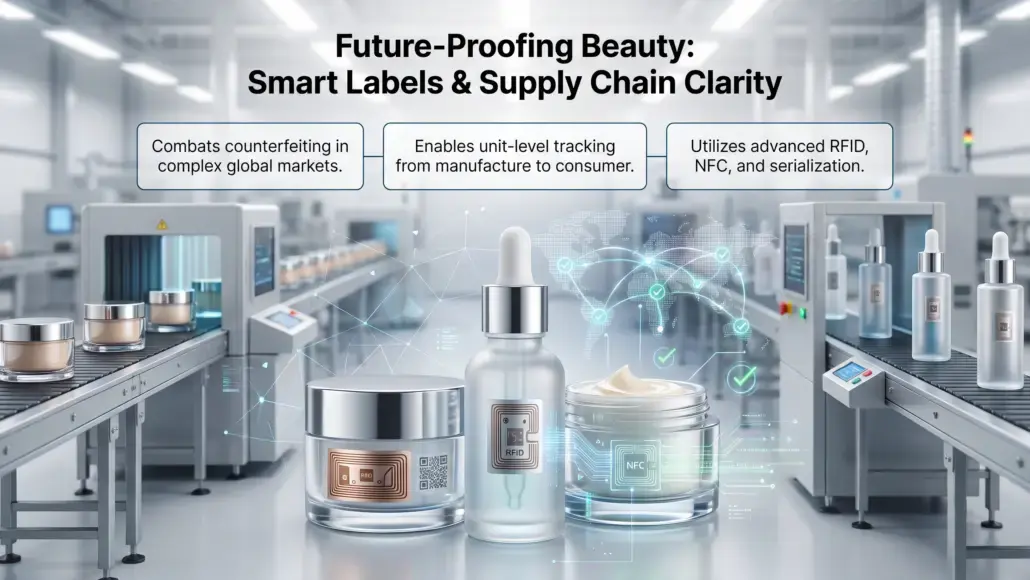

The implementation of smart label technologies enhancing beauty packaging traceability has become a fundamental requirement for modern cosmetic brands operating in a complex global market. As supply chains grow more intricate and the threat of counterfeit products increases, the ability to track and verify every individual unit from the point of manufacture to the end consumer is essential. Smart labels, encompassing a range of digital identifiers such as RFID tags, NFC chips, and advanced serialization codes, provide a bridge between the physical product and the digital world. By adopting smart label technologies enhancing beauty packaging traceability, organizations can ensure product authenticity, improve inventory management, and meet the rising consumer demand for transparency regarding ingredient sourcing and manufacturing processes.
Digital Identity Systems and Serialization at the Unit Level
The foundation of smart label technologies enhancing beauty packaging traceability is the assignment of a unique digital identity to every piece of packaging. Unlike traditional barcodes that identify a product type, serialization involves giving each bottle or jar a unique serial number. This number is typically encoded in a 2D data matrix code or a QR code that can be scanned at various points throughout the supply chain. This allows brands to track the specific journey of a single unit, identifying which facility it was produced in, which batch of raw materials was used, and which distributor handled it. This level of granularity is vital for managing targeted recalls, as it enables the brand to identify and remove only the affected units rather than discarding an entire production run.
In addition to operational benefits, serialization within smart label technologies enhancing beauty packaging traceability provides a powerful tool for consumer engagement. By scanning a code on the label, a customer can access detailed information about the product’s origin, the sustainability credentials of the packaging, and even the results of clinical tests. This builds trust between the brand and the consumer, particularly in the premium skincare segment where ingredient provenance is a major purchasing driver. The technical challenge for manufacturers lies in applying these unique codes at high production speeds, requiring specialized laser or inkjet printing equipment that can generate and verify thousands of distinct identifiers per minute without compromising the aesthetic quality of the packaging.
Radio Frequency Identification and Near Field Communication Protocols
Radio Frequency Identification (RFID) represents a significant leap forward in smart label technologies enhancing beauty packaging traceability. Unlike optical codes that require a direct line of sight to be scanned, RFID tags can be read remotely and in bulk. This allows warehouse staff to scan entire pallets of cosmetic products in seconds, drastically improving the speed and accuracy of inventory audits. The integration of RFID tags into the label or the primary packaging material provides a continuous data stream that can alert managers to stock discrepancies or unauthorized movements within the supply chain. This is particularly effective in combating the “gray market,” where genuine products are diverted and sold through unauthorized channels.
Near Field Communication (NFC) is another critical protocol within smart label technologies enhancing beauty packaging traceability, specifically designed for consumer interaction. NFC chips can be embedded behind the label or within the cap of a cosmetic container. When a smartphone is brought near the tag, it automatically triggers an action, such as opening a web page or launching an app. Because NFC communication is secure and difficult to replicate, it serves as a highly effective anti-counterfeiting measure. A consumer can instantly verify that the product in their hand is authentic, providing peace of mind and protecting the brand’s reputation. The cost of these chips has decreased significantly, making them a viable option even for mid-market beauty products that previously relied on static labeling.
Invisible Ink and Micro-Tagging for Anti-Counterfeiting Measures
To provide a multi-layered approach to security, smart label technologies enhancing beauty packaging traceability often include covert features that are invisible to the naked eye. UV-fluorescent inks and infrared-responsive pigments can be integrated into the label design, providing a secondary layer of verification for customs officials and retail inspectors. These features are difficult for counterfeiters to identify and replicate, making them a cornerstone of modern brand protection strategies. Furthermore, micro-tagging involves the use of microscopic particles or chemical markers that are blended into the printing ink or the plastic resin of the container. These markers can only be detected using specialized scanning equipment, providing absolute proof of authenticity.
The use of these covert technologies within smart label technologies enhancing beauty packaging traceability is often combined with overt features like holograms or color-shifting inks to create a comprehensive security profile. The engineering of these labels requires a deep understanding of ink chemistry and substrate interaction to ensure that the security features remain functional throughout the product’s lifecycle. They must withstand exposure to light, moisture, and the chemical contents of the cosmetic product itself. By creating a packaging system that is virtually impossible to forge, beauty brands can protect their intellectual property and ensure that their customers are not exposed to the potentially harmful ingredients found in illicit counterfeit products.
Data Encryption and Cloud Integration for Supply Chain Transparency
The value of the information generated by smart label technologies enhancing beauty packaging traceability is only realized when it is effectively managed and analyzed. This necessitates the use of secure cloud-based platforms where all traceability data is stored and encrypted. Blockchain technology is increasingly being used to create a decentralized and immutable record of every transaction in the supply chain. This ensures that the data cannot be tampered with or altered, providing a high level of integrity for both the brand and the consumer. The integration of the physical label with these digital platforms creates a “transparent supply chain” where every stakeholder has access to the information they need to perform their role effectively.
Managing this data infrastructure requires significant investment in IT systems and data security protocols. Smart label technologies enhancing beauty packaging traceability must comply with global data privacy regulations, ensuring that any consumer information collected through scanning is handled responsibly. The ability to aggregate and analyze traceability data also provides brands with valuable insights into consumer behavior and supply chain performance. For example, by tracking where and when products are scanned, brands can identify emerging market trends or pinpoint logistical bottlenecks. This data-driven approach allows for more informed decision-making, ultimately leading to a more efficient and responsive beauty packaging ecosystem.
Regulatory Compliance and Standards for Beauty Product Identification
As governments around the world introduce stricter regulations regarding product safety and environmental reporting, smart label technologies enhancing beauty packaging traceability are becoming a tool for compliance. In some jurisdictions, digital labeling is being explored as a way to provide mandatory regulatory information without overcrowding the physical label. This is particularly useful for small cosmetic containers where space for text is limited. Furthermore, the European Union’s proposed Digital Product Passport will likely require many consumer goods to carry a digital identifier that provides information on their environmental impact and recyclability. Smart labels are the ideal vehicle for delivering this data, ensuring that brands can meet these requirements efficiently.
The development of global standards for beauty product identification is essential for the widespread adoption of these technologies. Organizations like GS1 provide the framework for serialization and data sharing, ensuring that different systems can communicate with each other across international borders. Smart label technologies enhancing beauty packaging traceability are most effective when they are standardized, allowing for seamless integration between manufacturers, logistics providers, and retailers. As the technology continues to evolve, we can expect to see even more sophisticated features, such as temperature sensors that track if a product has been exposed to heat during transit, further enhancing the quality and safety of the global beauty supply chain.