


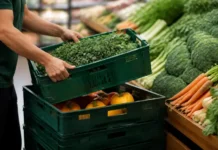














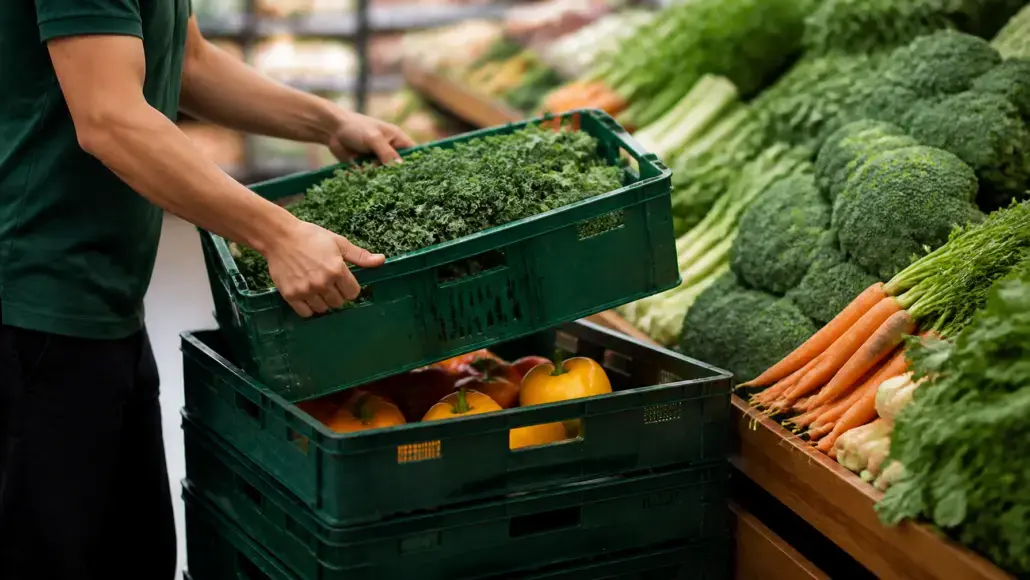
IFCO is expanding its reusable packaging programme across Whole Foods Market’s fresh produce supply chain in the United States, with the retailer increasing its use of reusable packaging containers (RPCs). Since the partnership began, adoption of IFCO’s reusable packaging has grown by more than 1,000%, helping Whole Foods Market avoid nearly 4 million pounds of cardboard waste.
The collaboration supports Whole Foods Market’s efforts to reduce waste across its operations through supply chain improvements and circular economy solutions. The programme focuses on replacing single-use packaging with reusable containers while maintaining produce quality and supporting operational requirements.
“When we stop treating waste as an inevitable byproduct and start seeing it as a signal of inefficiency or untapped value, we unlock a different set of outcomes,” said Kaity Robbins, senior program manager of diversion at Whole Foods Market. “By working with collaborators to design waste out of our operations and create systems that keep resources in circulation, operational efficiency and sustainability can become the same goal.”
Partnership Develops From Initial Produce Pilot
Whole Foods Market and IFCO began exploring reusable packaging opportunities in 2022. Their initial pilot replaced single-use cardboard boxes with reusable crates for potatoes, onions, carrots and other root vegetables.
Following the pilot, the companies worked to address operational requirements across stores, distribution centres and suppliers. Their priorities included protecting produce quality and freshness, reducing packaging waste and improving operational efficiency without disrupting day-to-day operations.
After the pilot, Whole Foods Market entered into an agreement with IFCO to extend the programme across its supply chain and convert additional fresh produce products to IFCO reusable packaging containers.
Reusable Containers Reduce Cardboard Waste
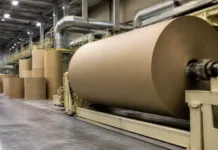
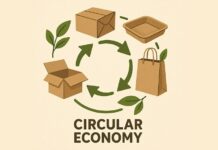
The programme has enabled Whole Foods Market to avoid nearly 4 million pounds of cardboard waste since its introduction. IFCO’s RPC system operates through a reuse cycle in which containers are collected after use, washed and sanitised before being returned to the supply chain.
At the end of their service life, the crates are recycled into new reusable packaging containers. This process is designed to keep packaging materials in circulation rather than relying on single-use transport packaging.
The containers are also designed to protect fresh produce during transportation and handling, helping maintain product quality as fruits and vegetables move through the supply chain.
IFCO and Whole Foods Market Continue Scaling Reuse
The partnership demonstrates how retailers, suppliers and packaging providers can work together to expand reusable packaging systems across fresh produce distribution.
“The growth of this program shows what can be achieved when retailers, suppliers, and packaging partners work together toward a shared goal,” said Jon Brooks, senior vice president sales, IFCO North America. “We’re proud to support Whole Foods Market as it continues to scale reuse across its supply chain and turn its sustainability commitments into measurable action.”
The IFCO reusable packaging programme combines container collection, cleaning, reuse and recycling within Whole Foods Market’s fresh produce supply chain. Its expansion builds on the initial 2022 pilot and the subsequent agreement to introduce RPCs across additional produce categories.

