













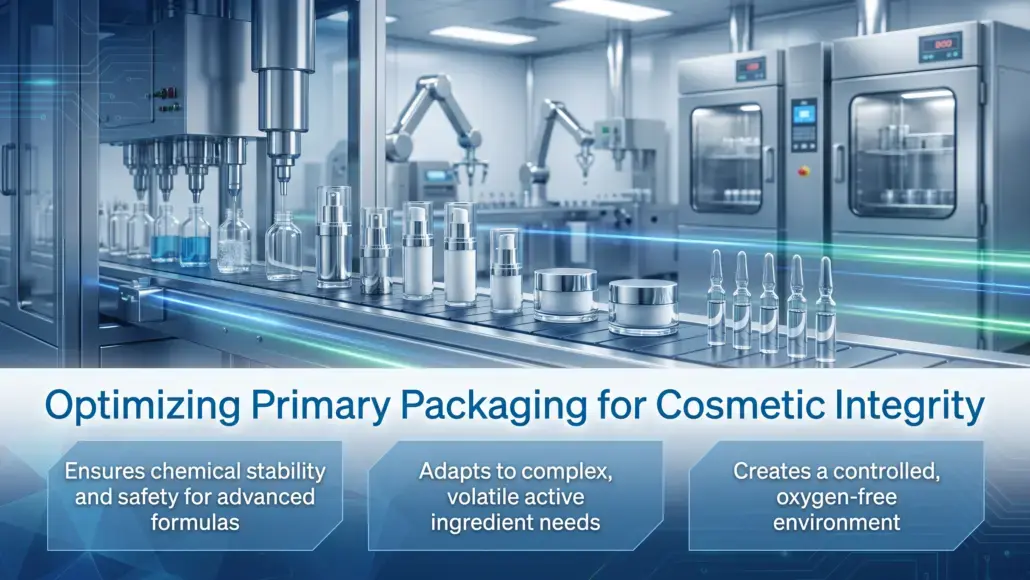

The implementation of primary packaging engineering enhancing cosmetic product protection is the critical foundation for maintaining the chemical stability and biological safety of advanced beauty formulations. As cosmetic products become more complex, incorporating volatile actives and natural preservatives, the technical requirements for the primary container have intensified. The engineering process focus on creating a controlled environment that isolates the product from atmospheric oxygen, ultraviolet radiation, and microbial ingress. Without the rigorous application of primary packaging engineering enhancing cosmetic product protection, the efficacy of premium skincare and color cosmetics would degrade rapidly, leading to diminished consumer results and potential safety risks. The industry is currently witnessing a transition toward sophisticated barrier materials and mechanical dispensing systems designed to provide the highest level of preservation.
Barrier Technology Advancements for Sensitive Cosmetic Formulations
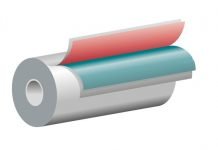
Modern skincare often includes ingredients such as retinol, vitamin C, and various botanical extracts that are highly susceptible to oxidation. Primary packaging engineering enhancing cosmetic product protection addresses these vulnerabilities through the use of multi-layer barrier technologies. These systems often combine ethylene vinyl alcohol with polyethylene or polypropylene to create a barrier that is significantly more effective than single-layer plastics. The engineering challenge is to ensure that these layers remain bonded throughout the lifecycle of the product, preventing delamination that could compromise the barrier integrity. Furthermore, the thickness of these layers must be precisely calibrated to balance protective performance with the flexibility required for squeezable tubes or the structural rigidity needed for bottles.
In addition to gas barriers, moisture vapor transmission rates are a primary concern in cosmetic engineering. High-viscosity creams and water-in-oil emulsions require packaging that prevents water loss, which would otherwise lead to product hardening and separation. Primary packaging engineering enhancing cosmetic product protection involves selecting materials with low permeability to water vapor, ensuring that the moisture content of the formula remains constant from the moment of filling until the final application. Glass remains a gold standard for certain high-end applications due to its inert nature and absolute barrier properties, yet modern polymers are closing the gap through the use of internal coatings and specialized additives that mimic the performance of traditional materials without the associated weight and breakage risks.
Mechanical Integrity and Structural Resilience in Plastic and Glass
The physical durability of a container is a vital aspect of primary packaging engineering enhancing cosmetic product protection. Containers must withstand the stresses of high-speed automated filling lines, where they are subjected to vertical pressure, lateral impacts, and temperature fluctuations. Structural engineers use finite element analysis to identify potential weak points in a bottle or jar design, optimizing the geometry to distribute stress more evenly. For glass containers, this includes managing wall thickness distribution to prevent thermal shock and mechanical failure. In plastic packaging, the focus is often on environmental stress crack resistance, particularly when the container is in contact with surfactant-heavy formulas or oils that can weaken the polymer structure over time.
Refining the neck finish and closure interface is another critical area where primary packaging engineering enhancing cosmetic product protection plays a role. A secure seal is only possible when the tolerances between the bottle neck and the cap are maintained within microns. Engineers must account for the expansion and contraction of materials during shipping, as products may be exposed to extreme temperatures in cargo holds or delivery vehicles. If the seal fails, the product is exposed to the environment, leading to leaks and contamination. The development of induction seals and liner materials that provide a chemical-resistant interface is essential for long-term product protection, especially for products intended for international distribution where transit times are extended.
Compatibility Testing Protocols for High-Active Chemical Ingredients
Every new cosmetic formulation requires extensive compatibility testing to ensure that the primary packaging does not react with the product. Primary packaging engineering enhancing cosmetic product protection involves assessing the risk of leaching, where chemicals from the plastic migrate into the formula, and adsorption, where the packaging absorbs active ingredients from the product. These interactions can alter the fragrance, color, and efficacy of the cosmetic. Engineers conduct accelerated stability tests, placing the packaged product in high-temperature and high-humidity chambers to simulate long-term storage. By monitoring the chemical composition of the formula and the physical state of the packaging, they can identify potential issues before mass production begins.
The rise of clean beauty has led to formulas with fewer synthetic stabilizers, making them more reactive to their environment. This has necessitated the development of more inert primary packaging solutions. Primary packaging engineering enhancing cosmetic product protection now frequently includes the use of fluorination or plasma treatments on the internal surfaces of plastic containers to create a chemically resistant barrier. These treatments prevent the migration of solvents and oils through the container walls, which is a common problem with thin-walled polyethylene packaging. The engineering team must work closely with formulators to understand the specific chemical profile of each product, ensuring that the selected material—whether it be glass, aluminum, or a specific polymer—is perfectly suited to the internal chemistry.
Light and Atmospheric Exposure Mitigation via Engineering Solutions
Ultraviolet radiation is one of the most destructive forces for cosmetic products, capable of breaking down chemical bonds and causing discoloration. Primary packaging engineering enhancing cosmetic product protection mitigates these risks through the use of UV-absorbing additives in plastic resins or the application of opaque coatings. For transparent or translucent packaging, engineers must select specific tints that block the most harmful wavelengths of light while still allowing the consumer to see the product. This is particularly important for products containing natural pigments or photosensitive actives like AHA and BHA acids. The engineering process involves balancing the aesthetic requirements of the brand with the functional necessity of light protection, often resulting in multi-tonal or frosted finishes that provide both beauty and utility.
Atmospheric exposure is controlled through the design of the dispensing system. Traditional open-mouth jars expose a large surface area of the product to the air every time the lid is removed, leading to rapid oxidation and the introduction of airborne bacteria. Primary packaging engineering enhancing cosmetic product protection has driven the development of airless pump systems, which utilize a vacuum mechanism to dispense the product without allowing air back into the container. These systems typically use a piston or a collapsible bag that moves as the product is consumed, maintaining a constant internal environment. The complexity of these airless systems requires precise engineering of the pump mechanism to ensure consistent dosage and reliable operation throughout the life of the product, providing the ultimate level of protection for high-performance skincare.
Protective Sealing Systems and Tamper Evident Architectural Features
Ensuring that a product has not been opened or altered before it reaches the consumer is a fundamental requirement of primary packaging engineering enhancing cosmetic product protection. Tamper-evident features are integrated into the architectural design of the closure, providing a visible indication of integrity. This can include breakable bands on screw caps, heat-shrink sleeves, or induction-sealed foils. The engineering of these features must ensure that they are easy for the legitimate consumer to remove but difficult to replicate or bypass. In addition to safety, these seals provide an additional barrier against moisture and oxygen during the initial stages of the supply chain, extending the shelf life of the product before it is sold.
The development of sophisticated sealing systems also extends to the internal components of the packaging. For example, in multi-chamber dispensers where two incompatible formulas are stored separately and mixed upon application, the internal seals must be perfectly engineered to prevent cross-contamination. Primary packaging engineering enhancing cosmetic product protection in these instances requires micro-molding techniques to create tiny valves and barriers that function reliably under pressure. The overall goal is to create a packaging system that acts as a fortress for the formulation, preserving the chemist’s intent and ensuring that the consumer receives a product that is as effective and safe as the day it was manufactured. As the industry moves toward more sustainable materials, the challenge for engineers will be to maintain these high protection standards using recycled or bio-based resins.