










For decades, corrugated cardboard was the invisible workhorse of the global economy. Its primary job was to provide structural protection for goods as they moved from factories to retail shelves, and its appearance reflected this utilitarian role usually a plain brown box with simple, one-color text. However, the rise of e-commerce and the shift toward shelf-ready retail have transformed the requirements for this material. Today, corrugated packaging printing is at the center of a major industrial shift, where the box must now serve as a high-quality marketing vehicle, a data-rich logistics asset, and a durable protector, all at once.
The Transformation of the Unboxing Experience
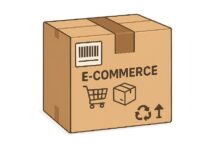
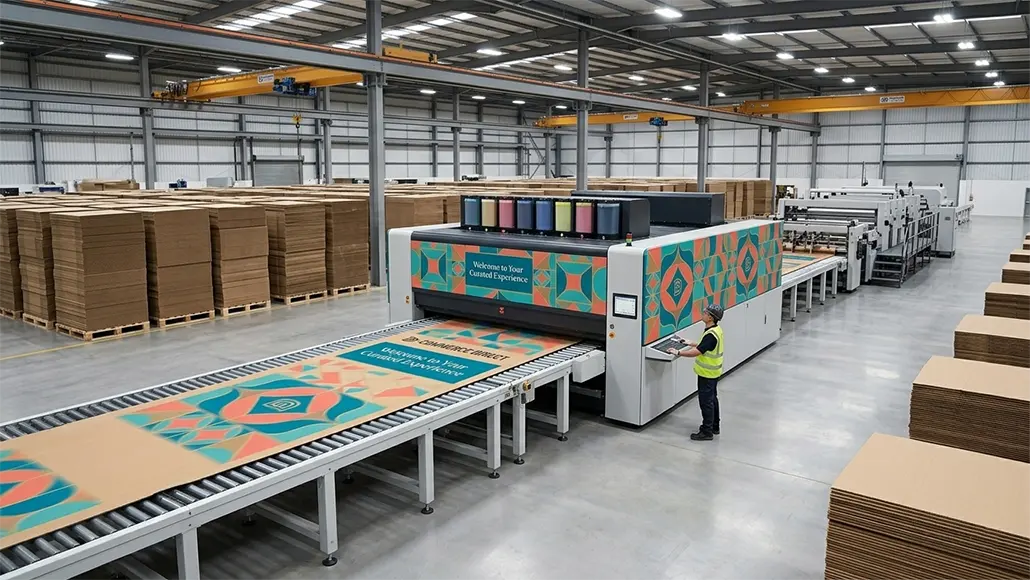
In a world where more products are purchased online than in-store, the shipping box is often the first physical touchpoint a consumer has with a brand. This unboxing experience has become a vital part of the marketing mix, with social media influencers and everyday customers alike sharing videos of themselves opening beautifully printed packages. To meet this demand, corrugated packaging printing has evolved to support vibrant, high-definition graphics that were previously only possible on thin paper labels or folding cartons.
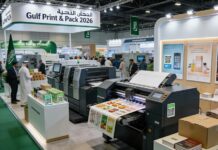
The introduction of high-speed industrial inkjet presses has been the primary catalyst for this change. Unlike traditional flexographic methods, which often struggled with the rough, absorbent surface of corrugated board, modern digital systems can apply ink with incredible precision without ever touching the substrate. This non-impact printing prevents the delicate internal fluting of the cardboard from being crushed, maintaining the box’s structural integrity while delivering photographic-quality images. Brands can now print complex, full-color designs on both the inside and outside of the box, turning a simple shipping container into a premium brand statement.
Direct-to-Corrugated: Efficiency in High-Volume Production
While digital is perfect for customization and short runs, high-volume logistics still rely heavily on advanced flexographic and offset printing. The trend here is toward direct-to-corrugated printing, which eliminates the need for a separate litho-lamination step where a printed paper sheet is glued to the cardboard. By printing directly onto the linerboard before or after it is converted into a box, manufacturers can drastically reduce lead times and material costs.
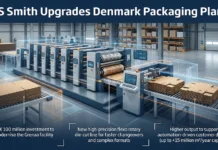
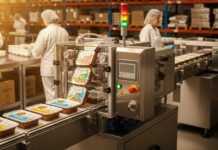
Modern flexo presses for corrugated are massive, sophisticated machines that can handle sheets larger than a dining table at incredible speeds. They feature advanced infrared and UV drying systems that allow for the use of high-gloss varnishes and vibrant inks that don’t smudge or rub off during the rough handling of the logistics chain. Furthermore, the integration of inline die-cutting and folding means that a single machine can take in raw corrugated sheets and output finished, printed, and bundled boxes, ready for the customer. This level of integration is essential for the high-volume needs of the consumer packaged goods CPG sector.
Enhancing Supply Chain Visibility through Smart Printing
Beyond aesthetics, corrugated packaging printing plays a critical role in the intelligence of the modern supply chain. Every box moving through a global logistics network must carry a wealth of data, including barcodes, QR codes, and human-readable tracking information. In the past, this was often handled by secondary labels that were prone to falling off or being damaged. Modern printing technologies allow this critical data to be printed directly onto the box with high contrast and durability.
We are seeing a significant move toward serialized corrugated printing, where every single box in a shipment has its own unique ID. This is particularly important for e-commerce giants and food distributors who need to track individual units for inventory management and recall purposes. High-speed inkjet heads can be integrated into existing production lines to print variable data at the last second, allowing for dynamic packaging that includes the customer’s name, the specific delivery route, or even localized promotional offers based on where the box is being shipped. This level of data integration ensures that the box is not just a container, but a digital node in the Internet of Things IoT.
Sustainability and the Future of Corrugated Solutions
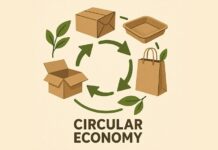
Corrugated cardboard is already one of the most recycled materials on the planet, but the industry is pushing even further toward sustainability. The challenge for corrugated packaging printing is to ensure that the inks and coatings used do not interfere with the recycling process. This has led to the widespread adoption of water-based inks that are easily separated from the wood fibers during repulping. Additionally, there is a growing trend toward minimalist printing, where brands use clever, high-impact designs that require less ink, reducing the overall environmental footprint of the package.
Another sustainable innovation is right-sized packaging. High-speed digital printing allows manufacturers to produce custom-sized boxes on demand, perfectly fitted to the product being shipped. This eliminates the need for plastic void fill like air pillows or foam peanuts and allows for more boxes to fit on a single delivery truck, reducing the carbon footprint of the entire logistics chain. The ability to print the necessary branding and shipping information on these unique, custom-sized boxes is a triumph of modern digital workflow integration.
Meeting the Demands of Shelf-Ready Retail
While e-commerce is a major driver, traditional retail is also changing. Brick-and-mortar stores are increasingly using shelf-ready or retail-ready packaging SRP/RRP. These are corrugated boxes that are designed to be placed directly onto the store shelf the store clerk simply removes a perforated section, and the products are perfectly displayed. This requires the corrugated box to perform two jobs: it must be a rugged shipping container and a high-quality retail display.
Corrugated packaging printing must therefore deliver high-impact graphics that can compete for attention on the shelf. This often involves a combination of techniques, such as using a white linerboard for better color pop and applying specialty coatings to give the box a premium feel. The precision of the printing is also vital for the functionality of the tear-away sections the print must align perfectly with the perforations to ensure that the branding remains intact when the box is opened. This trend has blurred the lines between primary and secondary packaging, making the corrugated box an essential part of the retail marketing strategy.
Navigating the Technical Landscape of Corrugated Substrates
The technical challenge of corrugated packaging printing lies in the diversity of the material itself. Corrugated comes in many flute sizes, from the thick A-flute used for heavy appliances to the ultra-thin N-flute that competes with folding cartons. Each of these requires a different approach to printing. Thicker boards have more surface irregularities, while thinner boards allow for much higher detail.
Furthermore, the liner material can vary from recycled test liners to virgin kraft liners, each with different absorption rates and color tones. Modern printing systems use sophisticated color management software that can predict how a specific ink will look on a specific grade of board, automatically adjusting the CMYK values to ensure a perfect match. This ensures that a brand’s signature colors look consistent, whether they are printed on a small gift box or a massive shipping crate.
A Vision for the Future of Corrugated Innovation
The future of the corrugated sector is one of continued digital integration and material advancement. We are seeing the development of functional inks that can conduct electricity, allowing for the creation of boxes with built-in security sensors or interactive elements. Imagine a box that can alert a warehouse manager if it has been dropped too hard, or a retail display that can track how many people stop to look at it.
Corrugated packaging printing is no longer a peripheral part of the manufacturing process it is a central driver of brand value and operational excellence. As the global logistics network becomes more complex and consumers become more environmentally conscious, the humble brown box will continue to evolve, powered by innovations in printing that make it smarter, greener, and more beautiful. The journey from the factory to the front door has never been more sophisticated.