



























A new global study has identified significant limitations in metal packaging industry, with 92% of industry professionals reporting that current systems are unable to deliver consistent, measurable test results. The findings, published by Industrial Physics, point to a growing challenge for the sector as it navigates tightening sustainability requirements and evolving regulatory expectations. The research draws attention to how metal packaging industry is struggling to keep pace with the operational demands placed on modern production environments.
The independent survey, which included 200 canmaking and filling professionals across the UK, US, Germany and India, examined how prepared the industry is for anticipated operational, quality and sustainability pressures by 2028. While respondents broadly acknowledged the need for change, the results suggest that progress is being slowed by legacy assumptions and reluctance to adopt advanced measurement systems. This gap between awareness and implementation is emerging as a structural issue across the sector.
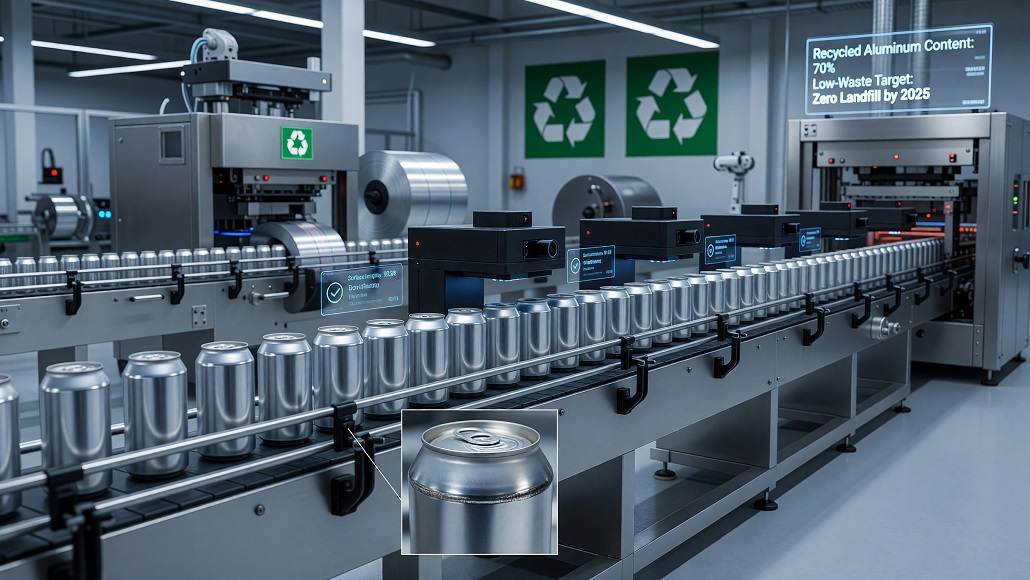
Quality control remains a central concern. According to the findings, 86% of respondents identified late-stage detection of defects as the most critical technical risk for metal beverage cans. With production lines operating at speeds exceeding 2,000 cans per minute, even minimal delays in identifying faults can result in tens of thousands of defective units before intervention occurs.
Commenting on the findings, Stefan Welker, Strategic Segment Manager at Industrial Physics, shared: “The scale of the risk is difficult to overstate here. The impact of inaccurate, unreliable measurement is enormous and prohibits effective scaling and standardization between sites. Yet, the research confirmed our belief that misconceptions are holding manufacturers back. Action is critical, now is the time to investigate what is available and lean on a testing partner to solve knowledge gaps.”
The study also highlights a persistent perception challenge surrounding inspection systems. While 86% of respondents believe that faster inspection reduces accuracy, the report suggests that modern inline measurement technologies can achieve both speed and precision, though adoption remains limited.
Beyond measurement challenges, manufacturers are balancing multiple priorities. Respondents ranked structural integrity (33%), cost control (31%) and sustainability targets (30%) as key focus areas over the next three years. These competing demands, such as lightweighting packaging, increasing recycled aluminium content and maintaining performance, are converging faster than production capabilities are evolving, creating what the report describes as a technical paradox.
Regional responses indicate varying levels of confidence in supply chain resilience heading toward 2028. Confidence was highest in India at 96%, followed by Germany at 92%, the US at 84%, and the UK at 78%, reflecting differing regional pressures linked to global trade and regulation.
Stefan added: “The industry clearly understands what’s coming: tighter sustainability targets, increasing production complexity and zero tolerance for defects. What’s holding progress back isn’t technology – the solutions already exist. The onus is now on manufacturers to put awareness into measurable action.
“Too many are still operating on outdated assumptions about what measurement technology can do. Those who invest now will be far better positioned to reduce waste, protect quality and meet regulatory expectations. Those who don’t are gambling with their brand, their output – and their future.”
The report, Ready but not prepared: Metal Packaging’s 2028 reality check, outlines how sustainability pressures, production complexity and quality expectations are converging, and the steps manufacturers must consider as 2030 regulatory deadlines approach.