























The food and beverage industry has been adopting better technologies for years, specifically for preserving its products. This sensitive sector requires reliable environments and is being perfected by equipment like advanced refrigeration and sealing.
However, everything must abide by legislative standards, meaning that the packaging equipment used in the food and beverage sector must comply with specific regulations. Fortunately, industry leaders like Plexpack have taken the charge in supporting compliance by investing in novel technologies.
Below, we’ve teamed up with Plexpack to delve into the ways modern packaging machinery is ensuring you meet stringent food safety regulations.
Stainless Steel for Hygienic Design
Production lines and automated machinery use stainless steel for several reasons. It is easier to clean than most materials, and it allows for large pieces of equipment to exist with few to no seams or crevices. For packaging, stainless steel is also helpful for ingress protection-rated enclosures, protecting products against bacteria and debris buildup. AISI 304L components have been tested as one of the best for their corrosion resistance and price point.
This ensures compliance by reducing contamination risk and simplifying sanitation. The material works well with U.S. Food and Drug Administration (FDA) guidelines on prioritizing sanitary designs for food assembly and processing equipment. It also supports efforts like Good Manufacturing Practices (GMP), which have high cleanliness standards, and the Hazard Analysis and Critical Control Points (HACCP) protocol for lowering the number of threats.
Modified Atmosphere Packaging (MAP) and Vacuum Packaging
The primary technologies empowering MAP and vacuum equipment are gas flushing systems and pumps. These take gaseous compounds and oxygen out of food packaging environments to extend their freshness and shelf life. It has been proven to help even the most sensitive food products, like chicken.
They ensure compliance by regulating atmospheric conditions. Otherwise, the packages would encourage microorganisms to flourish and cause foodborne illness or spoilage. Along with FDA regulations about preventing decay, it also promotes the ideals of the HACCP by cutting biological hazards. The European Union’s Food Safety Regulations also strictly enforce food preservation.
Advanced Sealing for Integrity
Similarly, heat-based and ultrasonic sealing are modern packaging innovations focused on halting condition alterations. These concentrate on controlling humidity and microbial influences. Moisture affects all packaging materials, including metals, which creates corrosion. To lower the chances of this happening, options like Plexpack’s machinery have NEMA 4- and 4X-rated compositions.
The FDA requires certain barriers around food to stop contamination, and the HACCP views it as a critical control point. Robust exteriors are essential for this, and they have to be made of strong materials to resist deterrents. This is why shrink wrap has been a reliable option for keeping food fresh for decades, and why experts are reimagining it to make it more functional and supportive to keep food fresh.
Smart Packaging and Internet of Things (IoT) Integration
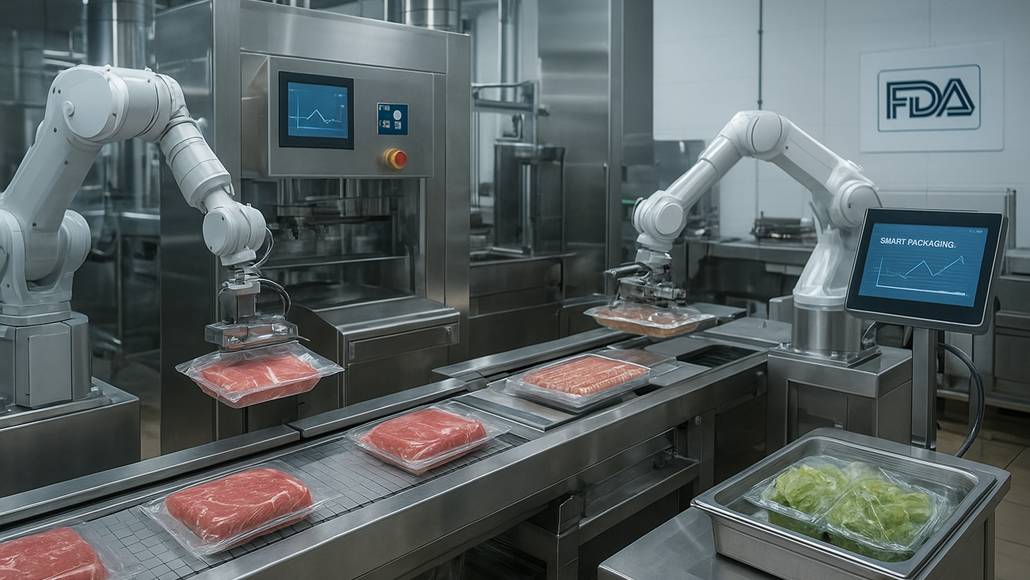
Some machinery advancements rely on integrations instead of total replacements. The IoT, embedded sensors, QR codes, RFID tags and other incorporations are making equipment more intuitive, data-driven and reliable. It makes real-time food monitoring more accurate, especially with tools like time-temperature indicators.
These address compliance concerns like the potential for expiration in backlogged inventory. It also encourages accountability and traceability among staff, as it identifies which workers and conditions the products have passed through that would influence their quality. This directly complies with the Food Safety Modernization Act and EU Traceability Regulations, which require supply chain accountability and preventive controls.
Active Packaging
Active packaging encompasses all technologies that respond or interact with the product directly. These include absorbent materials that minimize the presence of harmful molecules or carbon dioxide. New products use bio-based materials to take advantage of their sustainability and performance. A few examples of the most reliable active packaging solutions include:
- Antimicrobial films
- Oxygen scavengers
- Ethylene absorbers
- Corrosion inhibitors
The FDA encourages active packaging options to ensure safety, and the EU Food Contact Materials Regulations suggest the same to eliminate the transfer of adverse substances. Some products, like temperature monitors, provide visual cues that the contents are compromised.
High-Pressure Processing (HPP) Packaging
High-pressure cold water systems are one of the best strategies for removing bacteria using hydrostatic influences. It maintains the food’s flavor and nutrient density by killing microorganisms without pasteurization. It is one of the strongest options for organizations seeking to cut energy consumption, as conventional heat-based practices require high temperatures.
The FDA approves of HPP as an effective method, and the EU Novel Foods Regulation oversees contemporary techniques like it for their productivity and effectiveness.
AI-Driven Quality Control
Food companies can use AI in countless ways throughout the packaging process. Assembly equipment can use computer vision in cameras to identify defects and ensure quality control. Machine learning algorithms amplify this usefulness by learning product trends and their optimal conditions over time. It can also use predictive analytics to spot contamination and other threats before they escalate.
While AI regulations and frameworks are still being developed, the use of these peripherals directly supports standards like the Brand Reputation Compliance Global Standards for better quality control systems. Additionally, the International Standards Organization’s 22000 guidelines encompass all food safety management systems. It recommends continuous improvement, which data analytics fosters better than most technologies.
Robotics and Automation
Cobots, robotic arms and AI-powered sorting systems are several examples of big-picture food-packaging machinery. They can assist with safety palletizing products, tossing defective food, stamping boxes with the correct labels and cutting instances of human error. Using these machines also reduces the amount of human contact workers have to make, eliminating numerous possible instances of contamination.
This supports the GMP standards of lowering risks associated with manual food handling, just as the HACCP compliance attains better control over biological hazards.
Modern Packaging Machinery Ensures Compliance With Food Safety Regulations
The food and beverage sector needs strong packaging to ensure products reach customers safely. Freshness and flavor are essential, and the machinery behind these operations is the foundation for success.
Implementing high-quality, comprehensive solutions should be the priority of every industry stakeholder, and partnering with organizations like Plexpack is one of the best ways to get on the right trajectory. It will ensure everything remains compliant with the world’s leading authorities on food safety and quality, while encouraging innovation-first business practices.