





















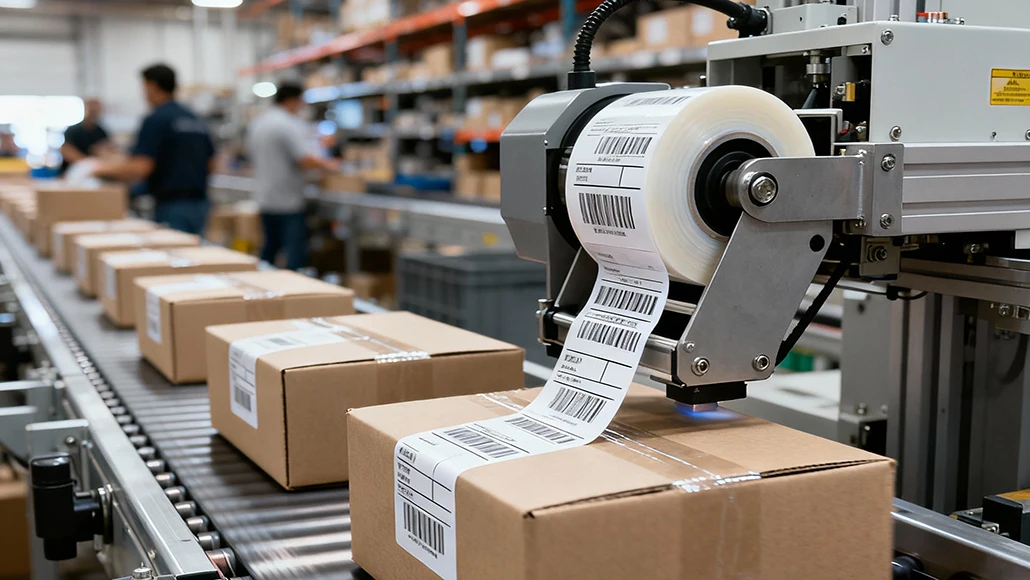

The rapid expansion of e-commerce and the increasing demands for high-speed labeling operations have catalyzed significant innovations in adhesive technology, driving the development of specialized formulations that deliver enhanced performance, sustainability, and application versatility. These adhesive trends in high speed labeling reflect the evolving needs of automated packaging systems and the unique challenges presented by modern supply chain environments.
Revolutionary Adhesive Chemistries for High-Speed Applications
Modern high-speed labeling applications demand adhesive formulations that can perform reliably under extreme operational conditions while maintaining consistent bonding performance across diverse substrate materials. Advanced hot melt pressure sensitive adhesives have emerged as preferred solutions for high-speed applications, offering rapid initial tack development and excellent temperature resistance that enables reliable performance in automated application environments.
The development of low-coating-weight adhesives represents a significant advancement in material efficiency and cost optimization. These formulations achieve equivalent or superior performance characteristics while using significantly less adhesive material per label, reducing overall material costs and supporting sustainability initiatives. The reduced coating weights also contribute to improved die-cutting performance and reduced adhesive buildup on processing equipment.
Acrylic-based adhesive systems continue to evolve toward enhanced performance characteristics that address the specific challenges of high-speed labeling operations. These formulations provide excellent clarity, aging resistance, and chemical compatibility while maintaining consistent performance across varying environmental conditions. Recent developments in acrylic chemistry have focused on improving initial tack development and reducing application temperature requirements.
UV-curable adhesive technologies offer unique advantages for high-speed applications requiring instant curing and exceptional bond strength development. These systems enable rapid processing speeds while providing superior adhesion to challenging substrates including low-surface-energy plastics and textured materials commonly encountered in e-commerce packaging applications.
E-Commerce Packaging Adhesive Requirements
The exponential growth of e-commerce has created unprecedented demands for labeling adhesives that can withstand the rigors of automated sorting, temperature variations, and extended transit times. E-commerce packaging adhesives must maintain reliable performance across wide temperature ranges, from freezing warehouse conditions to elevated temperatures during transportation.
Moisture resistance represents a critical performance characteristic for e-commerce applications where packages may encounter varying humidity conditions throughout the supply chain. Advanced adhesive formulations incorporate hydrophobic components that prevent moisture absorption and maintain bond integrity even under high-humidity conditions or brief water exposure.
The increasing prevalence of corrugated cardboard packaging in e-commerce applications requires adhesive formulations specifically optimized for fibrous substrate bonding. These adhesives must penetrate the corrugated surface structure while providing sufficient open time for automated application equipment and maintaining consistent performance across varying cardboard densities and moisture contents.
Variable substrate compatibility has become increasingly important as e-commerce operations utilize diverse packaging materials to optimize protection and cost efficiency. Modern adhesive formulations demonstrate reliable bonding performance across polyethylene, polypropylene, PET, glass, metal, and various paper substrates without requiring substrate-specific optimization.
Automation Compatibility and Application Performance
High-speed labeling systems place unique demands on adhesive performance characteristics that differ significantly from manual application requirements. Adhesive rheology must be precisely controlled to ensure consistent dispensing and uniform coating thickness at high application speeds, preventing equipment fouling and maintaining consistent label placement accuracy.
Temperature stability represents a crucial consideration for adhesives used in high-speed automated systems where friction and processing heat can significantly elevate adhesive temperatures. Advanced formulations maintain consistent viscosity and performance characteristics across wide temperature ranges, preventing adhesive failure or equipment malfunction due to thermal effects.
The development of static-resistant adhesive formulations addresses the challenges associated with high-speed web handling where static electricity generation can interfere with label placement accuracy. These specialized adhesives incorporate conductive additives or anti-static agents that dissipate electrical charges and ensure consistent performance in high-speed application environments.
Quick-setting characteristics enable adhesives to develop sufficient bond strength rapidly enough to support high-speed production rates while maintaining positioning accuracy throughout the application process. These formulations balance rapid initial tack development with extended open time to accommodate varying application speeds and environmental conditions.
Sustainability and Environmental Considerations
Environmental sustainability has become a driving force in adhesive development, with increasing emphasis on bio-based raw materials, reduced volatile organic compound emissions, and improved recyclability characteristics. Bio-based adhesive components derived from renewable resources offer comparable performance to traditional petroleum-based formulations while reducing overall environmental impact.
Solvent-free adhesive technologies eliminate volatile organic compound emissions during manufacturing and application processes, supporting regulatory compliance and workplace safety initiatives. These water-based and hot melt formulations provide excellent performance characteristics while reducing environmental impact and simplifying waste management requirements.
Recyclability optimization represents an increasingly important consideration in adhesive development, with formulations designed to facilitate separation during recycling processes or to remain compatible with recycling streams. These developments support circular economy principles and help brand owners meet sustainability commitments without compromising labeling performance.
Low-temperature processing capabilities reduce energy consumption during adhesive manufacturing and application, contributing to reduced carbon footprint and operational cost optimization. These energy-efficient formulations maintain performance characteristics while enabling more sustainable manufacturing practices.
Advanced Performance Features and Specialized Applications
Tamper-evident capabilities in high-speed labeling adhesives provide security features that become increasingly important in e-commerce applications where package integrity must be maintained throughout extended supply chains. These specialized formulations create visible evidence of label removal attempts while maintaining standard application and removal characteristics under normal conditions.
Cold-temperature performance optimization addresses the challenges of labeling operations in refrigerated environments or products destined for cold storage applications. Advanced formulations maintain flexibility and bonding performance at sub-zero temperatures while providing reliable adhesion to condensation-prone surfaces.
Chemical resistance characteristics enable adhesives to maintain performance when exposed to cleaning agents, oils, or other chemicals commonly encountered in industrial and commercial environments. These formulations resist degradation and maintain bond integrity despite exposure to potentially harmful substances.
Extended shelf-life formulations address the inventory management challenges associated with high-volume e-commerce operations where adhesive-containing labels may be stored for extended periods before application. Advanced stabilization technologies prevent adhesive degradation and maintain consistent performance characteristics throughout extended storage periods.
Future Developments and Market Evolution
The continued evolution of adhesive trends in high speed labeling points toward even more specialized formulations tailored to specific application requirements and sustainability goals. Smart adhesive technologies incorporating time-temperature indicators or other responsive features may enable enhanced package monitoring and quality assurance capabilities.
Nano-technology integration offers potential for significantly enhanced performance characteristics including improved substrate wetting, enhanced temperature resistance, and reduced coating weight requirements. These advanced materials may enable new application possibilities while maintaining compatibility with existing processing equipment.
Digital printing compatibility represents an important development area as hybrid printing technologies become more prevalent in high-speed labeling applications. Adhesive formulations must be optimized for compatibility with digital inks and curing systems while maintaining traditional performance characteristics.
The increasing focus on automation and Industry 4.0 principles drives development of adhesives that can provide real-time performance feedback through embedded sensors or color-change indicators that signal proper curing or environmental exposure conditions.
These technological advances position adhesive manufacturers at the forefront of enabling next-generation labeling solutions that meet the demanding requirements of modern high-speed operations while supporting sustainability goals and enhanced application performance across diverse market segments.