















The Critical Role of Anti-Counterfeit Packaging Hologram Labels in Global Commerce
The shadow economy of counterfeit goods has grown into a multi-billion dollar global crisis, impacting everything from luxury fashion to life-saving medications. In response to this escalating threat, the demand for sophisticated security measures has skyrocketed, with anti-counterfeit packaging hologram labels emerging as one of the most effective and widely adopted solutions in the industry today. These labels do more than just provide a shiny surface; they represent a high-tech barrier that protects the sanctity of a brand and the physical safety of its customers. As counterfeiters use increasingly advanced technology to mimic original products, the pressure on legitimate manufacturers to stay one step ahead has never been greater. This has led to a paradigm shift where packaging is no longer viewed merely as a container, but as a sophisticated security device that ensures the integrity of the product journey from the factory floor to the final point of consumption.
Understanding the Mechanics of Modern Authentication
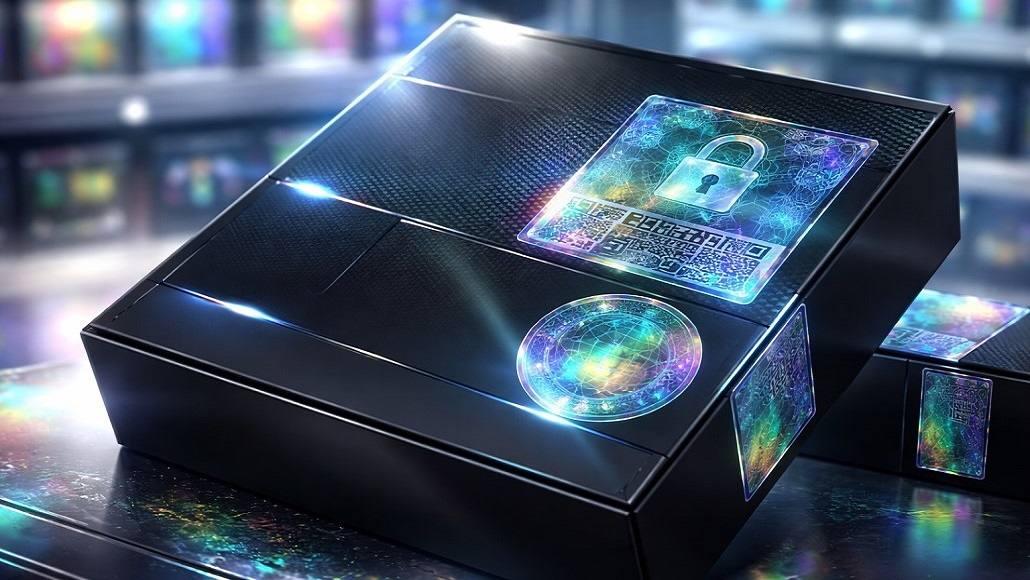
To understand why anti-counterfeit packaging hologram labels are so effective, one must look at the science of light diffraction that underpins their creation. Unlike traditional printing, which can be easily scanned and reproduced with a high-quality printer or digital press, holograms are created using advanced laser technology to record a three-dimensional light field. This results in a microscopic structure that changes appearance based on the angle of observation, creating depth, motion, and color shifts that are visually unmistakable. For many brands, this “overt” security feature something the consumer can see and verify without any special tools or training is the first and most powerful line of defense. When a customer sees a genuine-looking hologram on a box of medicine or a high-end electronics package, it builds an immediate and visceral sense of trust. The inability of low-cost counterfeit operations to replicate these complex optical effects makes the presence of a hologram a powerful deterrent that effectively devalues the illicit alternative.
The Expansion of Pharma Anti-Counterfeit Labels
The pharmaceutical industry is perhaps the most critical and vigilant adopter of these technologies. In this sector, the presence of a fake product doesn’t just mean a loss of revenue or a damaged brand; it can literally mean the difference between life and death for a patient. Pharma anti-counterfeit labels have evolved to include multiple layers of security, ranging from standard holographic images to “covert” features like UV-sensitive inks, chemical taggants, and micro-text that can only be seen under high magnification. By integrating anti-counterfeit packaging hologram labels directly into the packaging design often as tamper-evident seals on the box flaps pharmaceutical companies can ensure that the authenticity of the product is maintained through the various hands it passes. This is particularly important in regions with less regulated supply chains, where the risk of “look-alike” products entering the market is significantly higher. The presence of a sophisticated holographic label provides a clear, unforgeable mark of quality that reassures both the healthcare professional and the end user.
Enhancing FMCG Brand Protection Through Visual Trust
In the world of Fast-Moving Consumer Goods (FMCG), where margins can be thin and competition is incredibly fierce, the role of anti-counterfeit packaging hologram labels is equally vital. Counterfeit shampoo, cosmetics, and even packaged foods can cause severe allergic reactions or long-term health issues, leading to massive product recalls and permanent damage to a brand’s reputation. By utilizing secure label solutions that are difficult to peel off without destruction or replicate with standard equipment, FMCG companies can protect their hard-earned market share and ensure that consumers are getting the precise quality they expect. The visual appeal of these labels also serves a secondary purpose: it elevates the perceived value of the product on the shelf. A well-designed holographic label suggests a level of care, investment, and technological sophistication that generic packaging simply cannot match, effectively using security as a high-impact marketing tool to drive customer loyalty.
The Technological Shift Toward Connected Security
We are currently moving into an era where anti-counterfeit packaging hologram labels are becoming “smart” and interactive. The integration of QR codes, NFC (Near Field Communication) chips, and unique serialized numbers into the holographic substrate is creating a seamless bridge between the physical and digital worlds. This means that a consumer can scan a label with their smartphone and receive instant, cloud-based verification of the product’s origin and authenticity. This level of product authentication packaging is revolutionizing how we think about supply chain security and consumer engagement. It allows for “track and trace” capabilities, where every single unit can be monitored as it passes through various checkpoints across the globe. If a duplicate serial number appears in a different part of the world, the system can immediately flag it as a potential counterfeit, allowing the brand owner to take swift legal action and alert authorities before the fraudulent items reach the market.
Strategic Implementation and Cost-Benefit Analysis
For many businesses, the primary concern when adopting advanced anti-counterfeit packaging hologram labels is the perceived cost of implementation. However, a comprehensive cost-benefit analysis usually reveals that the “cost of doing nothing” in the face of counterfeiting is far higher. The loss of sales to illicit actors, the massive expense of legal battles, and the long-term erosion of brand trust can be devastating to a company’s bottom line. Modern manufacturing processes for hologram labels have become significantly more efficient, allowing for high-volume production at a relatively low per-unit cost when integrated early in the design phase. Furthermore, the ability to customize these labels with brand-specific logos, hidden messages, and unique patterns makes them a versatile tool that can be adapted to any packaging size or material. As global trade continues to expand and e-commerce makes it easier for counterfeiters to reach consumers directly, the investment in these secure label solutions is becoming an essential part of a modern, resilient business strategy.
The Future of Authentication in a Transparent Global Economy
As we look forward, the next phase of anti-counterfeit packaging hologram labels will likely involve the use of advanced nanotechnology and even DNA-based taggants. These “forensic-level” security features provide an even deeper layer of protection that can be used in legal disputes to prove beyond any doubt whether a specific product is genuine. Additionally, the move toward sustainable materials means that we will see more holographic labels made from paper-based substrates and biodegradable films, aligning security needs with the growing environmental responsibility of global corporations. The ultimate goal is to create a transparent and secure global economy where the authenticity of every item can be verified in a matter of seconds. By continuing to innovate and integrate different security technologies into a single label, the packaging industry will play a central role in protecting the future of global commerce and the well-being of millions of consumers everywhere.
Addressing the Challenges of Global Distribution
One of the greatest challenges for modern brands is the “last mile” of distribution, where products are most vulnerable to tampering and substitution. Anti-counterfeit packaging hologram labels provide a robust solution by acting as a “silent witness” to the product’s integrity. If a seal is broken or if the holographic effect appears dull and static, it serves as an immediate warning to the retailer or consumer. This is especially important for brands expanding into emerging markets, where the supply chain may involve many small, independent distributors. By establishing a clear visual standard for what an authentic product looks like, companies can empower their local partners and customers to act as the first line of defense against fraud. The global standardization of holographic security features is also helping to create a more unified front against international criminal syndicates, making it harder for them to move counterfeit goods across borders without detection by customs officials and law enforcement agencies.
The Impact of E-commerce on Holographic Security Demand
The explosion of online shopping has fundamentally changed the risk profile for many brands. In a physical store, a consumer can inspect the box, but online, they must rely on photos that may or may not be of the actual item being shipped. This has led to a surge in demand for anti-counterfeit packaging hologram labels that are “un-photocopiable.” When a consumer receives their package, the first thing they look for is the holographic seal that was promised in the brand’s security guidelines. This “unboxing” moment has become a critical touchpoint for building trust in the digital age. Brands that effectively communicate their use of advanced hologram labels on their websites and social media channels are seeing higher conversion rates and fewer returns, as customers feel more secure in their purchases. The holographic label, therefore, is not just a security feature; it is a vital part of the modern digital customer experience, bridging the gap between the virtual storefront and the physical reality of the product.