






















How Automation in Converting is Reshaping Label Production
The label converting industry stands at a transformative crossroads where automation technologies are fundamentally reshaping production capabilities, operational efficiency, and market competitiveness. Modern label converters are witnessing unprecedented changes driven by artificial intelligence, machine learning, and advanced robotics that collectively redefine what’s possible in label manufacturing environments.
The Evolution of Automated Label Converting Systems
Traditional label converting operations have undergone remarkable transformation through the integration of sophisticated automation technologies. Contemporary automated converting systems demonstrate significant advantages over manual processes, with production speeds increasing by 40-60% while simultaneously reducing error rates to virtually negligible levels. These systems incorporate advanced sensors, real-time monitoring capabilities, and intelligent control mechanisms that enable continuous optimization of converting parameters.
The evolution from mechanical automation to intelligent automation represents a paradigm shift in label production methodologies. Early automated systems focused primarily on repetitive tasks and basic quality control functions. Today’s automation in label converting encompasses predictive analytics, adaptive process control, and seamless integration with enterprise resource planning systems. This technological advancement enables converters to respond dynamically to production demands while maintaining consistent quality standards across varying substrate types and design specifications.
Machine learning algorithms now play crucial roles in optimizing cutting patterns, minimizing waste, and predicting maintenance requirements before equipment failures occur. These intelligent systems analyze historical production data, environmental conditions, and material characteristics to automatically adjust operating parameters for optimal performance. The result is more efficient material utilization, reduced downtime, and enhanced product quality consistency.
Digital Integration and Smart Manufacturing
The integration of digital technologies into label converting operations has created opportunities for unprecedented levels of process control and optimization. Smart manufacturing concepts, including Industry 4.0 principles, enable real-time data exchange between different production stages, creating seamless workflows that respond instantaneously to changing requirements.
Digital twin technologies allow converters to simulate and optimize production processes before implementing changes on actual equipment. These virtual models incorporate detailed equipment characteristics, material properties, and environmental factors to predict outcomes and identify potential issues before they impact production. The ability to test different scenarios digitally reduces trial-and-error approaches and accelerates the implementation of process improvements.
Cloud-based monitoring systems provide centralized visibility into production performance across multiple facilities, enabling coordinated optimization strategies and standardized best practices. These systems collect and analyze vast amounts of operational data, identifying patterns and trends that human operators might overlook. The insights generated through this analysis drive continuous improvement initiatives and support strategic decision-making processes.
Automated quality control systems utilizing machine vision and artificial intelligence can inspect labels at production speeds, detecting defects that would be impossible to identify through manual inspection methods. These systems evaluate color consistency, registration accuracy, cutting precision, and adhesive application uniformity, automatically rejecting substandard products while maintaining high throughput rates.
Advanced Robotics in Label Handling
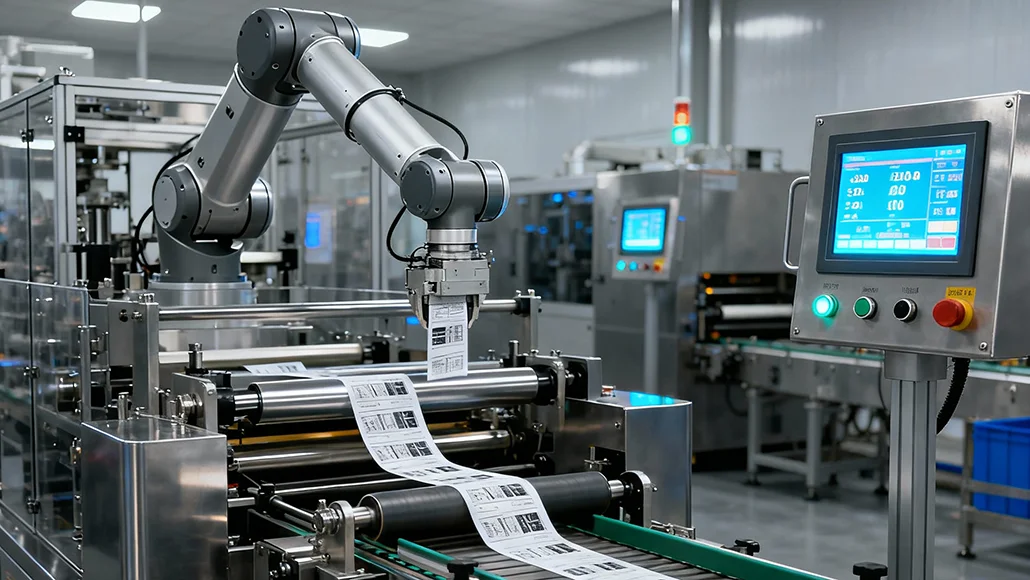
The incorporation of robotic systems in label handling and packaging operations represents another significant advancement in automation in label converting. Modern robotic solutions offer precision, consistency, and flexibility that surpass human capabilities while operating continuously without fatigue or performance degradation.
Collaborative robots work alongside human operators, handling repetitive or physically demanding tasks while allowing skilled workers to focus on higher-value activities such as quality assessment and process optimization. These systems adapt to different label sizes, shapes, and packaging requirements without extensive reprogramming, providing operational flexibility that supports diverse product portfolios.
Automated material handling systems ensure consistent supply of substrates, inks, and adhesives to converting equipment, minimizing production interruptions and maintaining optimal inventory levels. These systems incorporate sophisticated scheduling algorithms that coordinate material deliveries with production requirements, reducing waste and optimizing working capital utilization.
Sustainability and Efficiency Benefits
Automation technologies contribute significantly to sustainability improvements in label converting operations through more efficient resource utilization and waste reduction strategies. Automated systems optimize material consumption by calculating precise requirements for each production run, minimizing off-cuts and reducing overall material waste.
Energy consumption optimization represents another area where automation delivers substantial benefits. Intelligent control systems monitor power usage across all equipment and automatically adjust operations to minimize energy consumption during periods of reduced demand. These systems can reduce overall energy costs by 15-25% while maintaining production output levels.
Automated quality control reduces the production of defective labels, eliminating waste associated with rejected products and reducing the environmental impact of disposal processes. The precision of automated systems also enables the use of thinner substrates and reduced adhesive quantities without compromising performance, further contributing to environmental sustainability goals.
Integration Challenges and Solutions
The implementation of comprehensive automation systems presents various challenges that converters must address through careful planning and strategic approaches. Legacy equipment integration requires sophisticated interface solutions that enable communication between older machinery and modern control systems. This integration often involves custom software development and hardware modifications to ensure seamless data exchange.
Workforce transformation represents a significant consideration as automation technologies change job requirements and skill sets. Successful automation implementation requires comprehensive training programs that help existing employees adapt to new roles while attracting new talent with appropriate technical capabilities. Companies investing in automation must balance technological advancement with human resource development to maximize the benefits of their automation initiatives.
System reliability and maintenance requirements demand specialized expertise and proactive support strategies. Automated systems require regular calibration, software updates, and predictive maintenance to maintain optimal performance levels. Establishing partnerships with technology providers and developing internal maintenance capabilities are essential for sustained automation benefits.
Future Directions and Technological Advancement
The future of automation in label converting points toward even greater integration of artificial intelligence, advanced materials handling, and predictive analytics. Emerging technologies such as augmented reality interfaces will provide operators with intuitive control mechanisms and real-time performance feedback, further enhancing operational efficiency.
Blockchain technology may enable enhanced traceability throughout the converting process, providing customers with detailed information about material sourcing, production conditions, and quality control measures. This transparency supports sustainability initiatives and enables premium positioning for environmentally conscious brands.
Advanced sensor technologies will enable more sophisticated quality control and process optimization capabilities, including molecular-level analysis of adhesive application and substrate characteristics. These technologies will support the development of specialized label products with enhanced performance characteristics and expanded application possibilities.
The continued evolution of automation in label converting will drive further improvements in production efficiency, quality consistency, and operational flexibility while supporting the industry’s transition toward more sustainable manufacturing practices. Companies that embrace these technological advances position themselves for continued success in an increasingly competitive marketplace where efficiency, quality, and sustainability are paramount considerations.