














The global beverage industry is engaged in a constant battle against the natural forces of oxidation and moisture migration, which can rapidly degrade the quality, flavor, and nutritional value of a product. Barrier coatings advancing beverage shelf life have become the primary weapon in this struggle, providing a microscopic shield that separates the contents from the external environment. This technological frontier is moving away from heavy, multi-layered materials toward high-performance, ultra-thin coatings that offer superior protection while supporting the industry’s transition to a circular economy. As consumer expectations for “clean label” products without chemical preservatives continue to rise, the role of the package itself as a preservation tool has never been more critical.
The Molecular Architecture of Oxygen and Moisture Protection
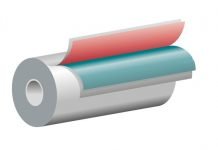
At the heart of barrier coatings advancing beverage shelf life is the manipulation of material properties at a molecular level. Oxygen is one of the most significant threats to beverages, particularly those containing fats, oils, or sensitive vitamins. When oxygen penetrates a container, it triggers oxidative reactions that lead to off-flavors, color changes, and loss of potency. Advanced barrier coatings utilize crystalline structures or specialized polymers that create a tortuous path for oxygen molecules, effectively slowing their ingress to a crawl. This ensures that a juice remains vibrant and a craft beer maintains its hop profile for months on the shelf.
Similarly, moisture barrier technology is essential for preventing the loss of carbonation in sodas and the unwanted ingress of humidity in dry beverage mixes. By applying nanometer-thick layers of aluminum oxide or specialized resins, manufacturers can achieve the protection levels of a metal can within a lightweight plastic or paper-based container. These coatings are so thin that they are invisible to the naked eye, yet they provide a level of protection that was once only possible with heavy, opaque materials. The ability to maintain this barrier integrity throughout the stresses of the distribution chain is what defines a truly innovative solution.
Balancing High-Performance Barriers with Recyclability
For many years, the primary challenge with barrier technology was its impact on the recycling stream. Traditional multi-layer packaging, which combined different plastics and foils, was nearly impossible to process in standard facilities. Today, barrier coatings advancing beverage shelf life are focused on “recyclable-by-design” solutions. This involves the development of mono-material barriers that can be processed alongside the primary substrate without causing contamination. For instance, new plasma-coated PET bottles use a microscopic layer of carbon or silicon oxide that is easily removed during the standard washing process, allowing the bottle to be recycled back into a new container.
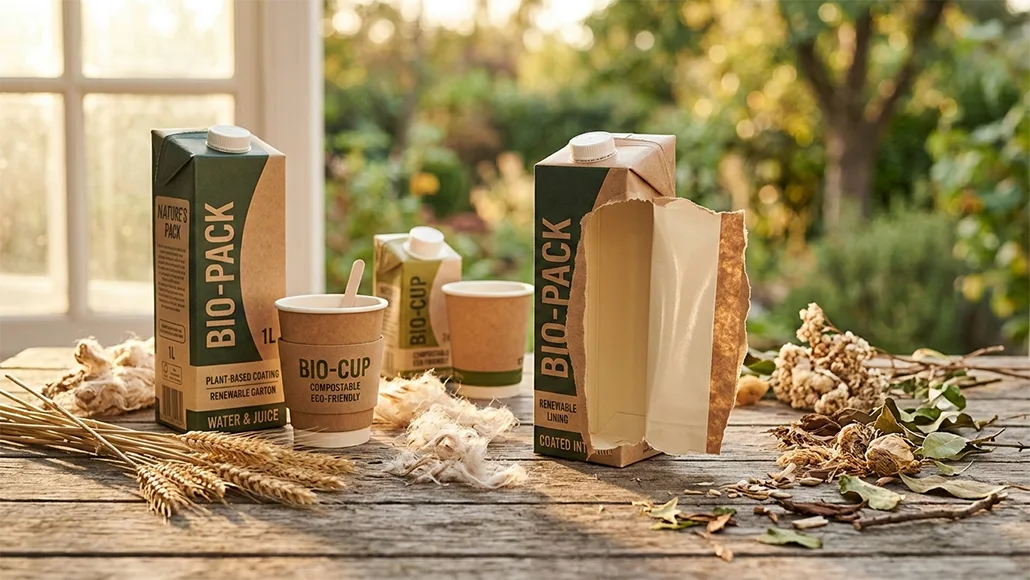
This shift toward sustainable barrier solutions is also driving the adoption of bio-based coatings. Researchers are exploring the use of cellulose-derived polymers and even proteins from agricultural byproducts to create functional barriers. These materials offer a double benefit: they are derived from renewable sources and are naturally biodegradable or compostable. By integrating these bio-materials into the packaging structure, beverage brands can achieve a “triple win” of performance, sustainability, and consumer trust. It is a transition from a linear “extract and dispose” model to a circular “preserve and recover” philosophy.
The Economic Impact of Extended Shelf Life and Waste Reduction
The economic incentives for investing in barrier coatings advancing beverage shelf life are profound. Extended shelf life allows for broader distribution networks, enabling a local brand to become a regional or even global player. It also reduces the frequency of product returns and the massive costs associated with spoilage and waste. In a world where food waste is a major contributor to both economic loss and environmental damage, the ability to keep a product fresh for longer is a significant strategic advantage.
Furthermore, advanced barriers allow for more efficient logistics. When a product is protected against the elements, it is less sensitive to fluctuations in temperature and humidity during transport. This reduces the need for expensive climate-controlled shipping and storage, further lowering the carbon footprint and operational costs of the brand. Barrier coatings advancing beverage shelf life are thus not just a technical feature they are a catalyst for a more resilient and profitable global supply chain. They enable a leaner, more agile approach to beverage distribution that benefits both the manufacturer and the end consumer.
Future Trends in Active and Intelligent Barriers
Looking toward the next decade, the focus of barrier technology is shifting from “passive” protection to “active” engagement. We are seeing the rise of oxygen scavengers that are integrated directly into the coating, actively removing any oxygen that manages to penetrate the barrier or that was trapped in the headspace during filling. This provides an even higher level of protection for the most sensitive products. Additionally, intelligent coatings that change color to indicate a breach in the barrier or the presence of spoilage organisms are becoming a reality, providing an extra layer of safety for the consumer.
The integration of nanotechnology is also opening up new possibilities. Carbon nanotubes and graphene-based coatings are being tested for their ability to provide near-perfect barriers with almost zero thickness. These materials could lead to a new generation of ultra-lightweight, high-performance containers that redefine our understanding of what a beverage package can be. Barrier coatings advancing beverage shelf life are the foundation of this future, ensuring that as our packaging becomes lighter and more sustainable, it also becomes smarter and more protective.
The Role of Functional Packaging in Brand Differentiation
Finally, barrier coatings advancing beverage shelf life are becoming a key tool for brand differentiation. In a crowded marketplace, the promise of “long-lasting freshness” or “no added preservatives” is a powerful message that resonates with modern consumers. By highlighting the technology behind the package, brands can justify premium prices and build a reputation for quality and innovation. The package is no longer just a container it is a guarantee of excellence that starts at the molecular level.
In conclusion, the evolution of barrier coatings is a masterclass in how invisible technology can have a massive impact on the world. By preventing waste, enabling global trade, and protecting the health of the consumer, barrier coatings advancing beverage shelf life are a cornerstone of the modern beverage industry. As we continue to push the boundaries of material science, we can expect to see even more impressive innovations that ensure that the first sip of a beverage is always as perfect as the day it was made.