












The global beverage landscape is currently witnessing a paradigm shift from rigid glass and plastic containers to more versatile and efficient flexible formats. Flexible packaging growth in beverage markets is driven by a combination of consumer demand for convenience, the need for lower shipping costs, and a growing emphasis on material efficiency. Once relegated to small-portion juices and “caprisun” style products, flexible packaging is now making inroads into categories as diverse as spirits, energy drinks, and even wine. This evolution is not just about changing the shape of the container it is about redefining the entire value chain of the beverage industry, from the manufacturing plant to the consumer’s hand.
The Rise of the Pouch: Convenience and Versatility
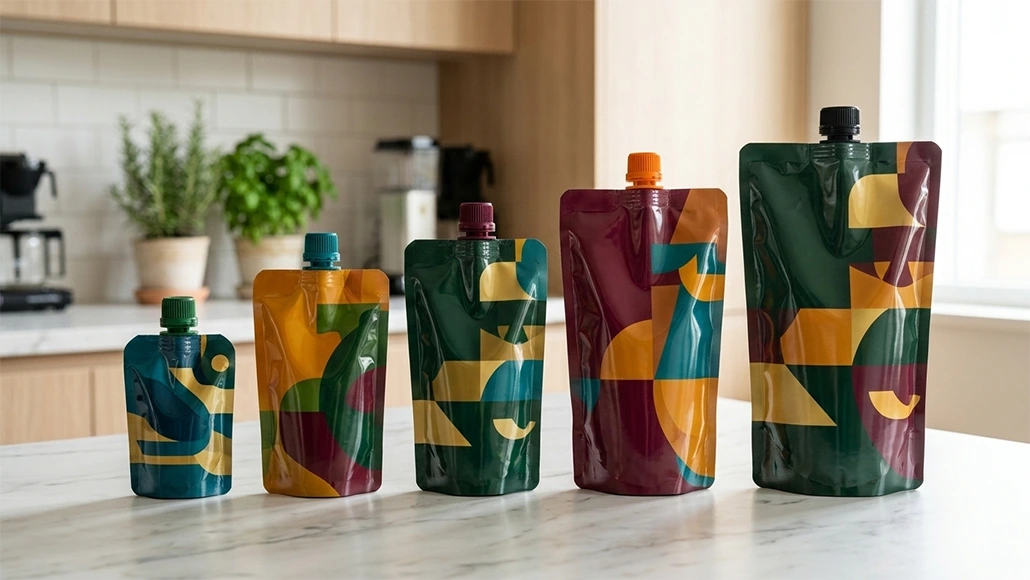
At the center of flexible packaging growth in beverage markets is the “stand-up pouch” (SUP) and the “spouted pouch.” These formats offer a unique combination of functionality and portability that rigid containers cannot match. For the consumer, a flexible pouch is lighter, easier to carry, and takes up less space in a bag or a refrigerator. The addition of a spout and cap makes it easy to pour and re-seal, while the flexible nature of the material allows the consumer to squeeze out every last drop of the product, reducing food waste.
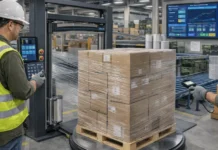
For the manufacturer, the benefits are even more significant. Flexible packaging is shipped as flat rolls or pre-made pouches, occupying up to 90% less space than empty rigid bottles during transport. This results in massive fuel savings and a significant reduction in the number of trucks on the road. Furthermore, the high-speed filling lines used for flexible packaging are often more compact and energy-efficient than traditional bottling lines. Flexible packaging growth in beverage markets is thus a story of operational excellence that delivers benefits across the entire lifecycle of the product.
Material Efficiency and Carbon Footprint Reduction
Sustainability is a major factor in the adoption of flexible formats. A typical flexible pouch uses up to 70% less plastic than a rigid container of the same volume. This reduction in material use translates directly into a lower carbon footprint for the primary package. Furthermore, because flexible packaging is so much lighter than glass or PET, the energy required for transport and distribution is dramatically reduced. When viewed through the lens of a “Life Cycle Assessment” (LCA), flexible packaging growth in beverage markets often represents the most sustainable choice for many product categories.
However, the industry is also working to address the challenge of recyclability. Traditional flexible films were often multi-layered, making them difficult to process in existing systems. The latest innovations in flexible packaging growth in beverage markets are focused on “mono-material” laminates, such as all-polyethylene (PE) or all-polypropylene (PP) structures, that are compatible with current recycling streams. By combining material reduction with a clear path to recovery, the flexible packaging sector is positioning itself as a leader in the circular economy, proving that “less” is indeed “more” when it comes to the environment.
Market Trends and the Expansion into New Categories
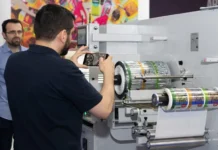
The expansion of flexible packaging into premium and adult beverage categories is one of the most interesting trends in the market. We are seeing wine and spirits being sold in large-format “bag-in-box” systems or single-serve “flask” style pouches. These formats are perfect for outdoor events, festivals, and travel, where glass is often prohibited or impractical. The large surface area of the pouch also provides a 360-degree “billboard” for brand storytelling and high-definition graphics, allowing brands to stand out on the shelf with vibrant and creative designs.
In the functional and wellness beverage sectors, flexible packaging growth in beverage markets is being driven by the rise of “nutritional shots” and “on-the-go” protein shakes. The small, portable nature of these pouches aligns perfectly with the lifestyles of active, health-conscious consumers. By offering a convenient and sustainable alternative to traditional formats, flexible packaging is helping these niche categories reach a broader audience and drive significant market growth. It is a format that is as dynamic and adaptable as the consumers it serves.
Overcoming Perceptions and Building Consumer Trust
Despite its many benefits, the transition to flexible packaging requires a shift in consumer perception. For decades, “rigid” was associated with “premium,” and “flexible” was often seen as “budget.” To overcome this, brands are investing in high-end finishes, ergonomic designs, and superior spout technology that provides a premium “pouring” experience. By demonstrating that a pouch can be just as sophisticated as a bottle, flexible packaging growth in beverage markets is successfully moving into the luxury segment.
Furthermore, transparency regarding the environmental benefits and recyclability of the format is essential for building trust. Many brands now include “impact labels” on their pouches, showing the amount of plastic saved and the reduction in CO2 emissions compared to traditional containers. This empowers the consumer to make an informed and responsible choice, reinforcing the brand’s commitment to sustainability. Flexible packaging growth in beverage markets is thus not just a technical change it is a cultural shift toward a more efficient and conscious way of consuming our favorite drinks.
The Future of Smart and Functional Flexible Packaging
Looking ahead, the next generation of flexible packaging will incorporate “smart” features and advanced barrier technologies. We are seeing the development of pouches with integrated cooling elements, active oxygen scavengers, and even “scannable” digital signatures that provide a bridge to the brand’s digital ecosystem. These innovations will further enhance the functionality and appeal of the format, ensuring that flexible packaging growth in beverage markets continues to accelerate.
In conclusion, the rise of flexible packaging is one of the most significant trends in the modern beverage industry. By offering a unique combination of convenience, efficiency, and sustainability, flexible formats are meeting the needs of a changing world. As material science continues to advance and recycling infrastructure improves, the “flexible” revolution will only grow stronger, providing a more agile and responsible future for global beverage brands. The future of packaging is no longer rigid it is light, adaptable, and incredibly promising.