














Bio-Based Films Transforming Primary Packaging
The mounting environmental pressure to reduce plastic waste and fossil fuel dependency has accelerated the development of bio based films in packaging as viable alternatives to conventional petroleum-derived materials. Primary packaging, which comes into direct contact with products and serves as the first line of protection, represents a critical application area where bio-based solutions can deliver immediate environmental benefits while maintaining essential functionality. These innovative materials, derived from renewable feedstocks including agricultural residues, plant-based polymers, and bio-refined chemicals, offer comparable performance characteristics to traditional plastics while providing enhanced biodegradability and reduced carbon footprint.
The global bio-based films market, expanding from $4.92 billion in 2025 to a projected $12.59 billion by 2034 at a compound annual growth rate of 11.5%, reflects increasing industry recognition that sustainable packaging solutions can meet both environmental objectives and commercial requirements. Bio based films in packaging encompass diverse material categories including synthetic bioplastics such as polylactic acid and polyhydroxyalkanoates, as well as natural polymer-based films derived from cellulose, starch, and protein sources. These materials enable manufacturers to address sustainability mandates while maintaining product protection, shelf life extension, and consumer appeal.
Contemporary bio-based film technologies integrate advanced processing techniques, barrier enhancement strategies, and functional additives that overcome traditional limitations of natural materials while providing superior environmental profiles compared to fossil-based alternatives. The convergence of biotechnology innovation, regulatory support, and consumer demand for sustainable products creates unprecedented opportunities for bio-based films to transform primary packaging across food, pharmaceutical, cosmetic, and consumer goods applications.
Understanding Bio-Based Film Technologies and Materials
Synthetic Bioplastic Platforms
Synthetic bioplastic films represent sophisticated engineered materials produced through fermentation and chemical synthesis processes using renewable feedstocks such as corn starch, sugarcane, and cellulosic biomass. Polylactic acid, the most commercially developed bio-based film material, offers excellent transparency, printability, and mechanical properties that rival conventional plastic films while providing complete compostability under industrial conditions. PLA films demonstrate exceptional performance in food contact applications including fresh produce packaging, baked goods wrapping, and confectionery products where clarity and barrier properties are essential.
Polyhydroxyalkanoates constitute another promising family of bio-based films produced by bacterial fermentation of various organic substrates including agricultural residues and food waste. PHA films provide superior barrier properties against moisture and oxygen while maintaining biodegradability in marine environments, addressing critical concerns about plastic pollution in aquatic ecosystems. These materials excel in applications requiring extended shelf life such as dairy products, processed foods, and personal care items where moisture protection is paramount.
Polybutylene succinate and related aliphatic polyesters offer excellent processability and mechanical properties suitable for demanding packaging applications including industrial wraps, agricultural films, and flexible packaging laminates. PBS films demonstrate thermal stability comparable to conventional polyethylene while providing complete biodegradability in composting environments. The versatility of synthetic bioplastic platforms enables customization of properties through molecular design and processing optimization to meet specific application requirements.
Natural Polymer-Based Film Systems
Natural polymer-based films utilize abundant renewable resources including cellulose, starch, protein, and polysaccharide materials that can be processed into functional packaging films through various modification and formulation techniques. Cellulose-based films, derived from wood pulp, cotton, or agricultural residues, provide excellent mechanical strength and oxygen barrier properties while maintaining transparency and printability characteristics essential for consumer packaging applications.
Starch-based films offer cost-effective solutions for applications where water sensitivity is not problematic, such as dry goods packaging, agricultural mulch films, and dissolvable packaging for detergent pods and pharmaceutical applications. Thermoplastic starch formulations incorporate plasticizers and additives that improve flexibility and processing characteristics while maintaining biodegradability and compostability features. Advanced starch modification techniques including chemical derivatization and physical blending enable property enhancement for demanding applications.
Protein-based films derived from agricultural byproducts such as wheat gluten, soy protein, and milk casein provide unique properties including excellent oxygen barrier characteristics and film-forming capabilities. These materials excel in edible film applications where complete biodegradability and food safety are essential requirements. Protein films can be enhanced through crosslinking reactions and additive incorporation to improve water resistance and mechanical performance while maintaining nutritional and safety benefits.
Performance Characteristics and Barrier Properties
Mechanical Properties and Processing Performance
Bio based films in packaging demonstrate mechanical properties that increasingly match or exceed conventional plastic films through advances in material science and processing technology. Tensile strength, elongation at break, and puncture resistance represent critical performance parameters that determine packaging effectiveness and product protection capabilities. Modern bio-based films achieve tensile strengths exceeding 50 MPa while maintaining flexibility characteristics suitable for high-speed packaging equipment and consumer handling requirements.
Processing performance encompasses critical factors including heat resistance, dimensional stability, and compatibility with existing packaging machinery that determine commercial viability and manufacturing efficiency. Bio-based films demonstrate excellent thermoforming capabilities, enabling applications in blister packaging, food trays, and shaped containers that require precise dimensional control and consistent performance. Sealing characteristics and hot-tack strength enable reliable package closure while maintaining integrity throughout distribution and storage.
The mechanical performance of bio-based films can be enhanced through various strategies including molecular orientation, crosslinking, and composite formation with natural fibers or nanoparticles. Biaxial orientation processes improve strength and barrier properties while reducing material thickness requirements and associated costs. These processing enhancements enable bio-based films to meet demanding applications including industrial packaging, heavy-duty bags, and multi-layer flexible packaging structures.
Barrier Performance and Shelf Life Protection
Barrier properties represent critical functionality requirements that determine product protection effectiveness and shelf life extension capabilities of packaging films. Bio-based films demonstrate diverse barrier characteristics depending on material composition and processing conditions, with some materials exceeding conventional plastic performance in specific applications. Oxygen barrier properties of certain bio-based films, particularly protein-based and high-crystallinity PLA films, surpass those of polyethylene and polypropylene in many food packaging applications.
Water vapor barrier performance varies significantly among bio-based film types, with hydrophobic materials such as PHA and modified starch films providing adequate moisture protection for many applications while hydrophilic materials require barrier enhancement through coating or lamination techniques. Advanced barrier enhancement strategies include the incorporation of inorganic nanoparticles, application of barrier coatings, and development of multi-layer structures that combine different bio-based materials to optimize overall performance.
The barrier performance of bio-based films can be tailored to specific product requirements through material selection and processing optimization. Modified atmosphere packaging applications benefit from controlled permeability characteristics that enable optimal gas composition maintenance while preventing moisture loss and contamination. These customizable barrier properties enable bio-based films to address diverse application requirements while maintaining environmental benefits and regulatory compliance.
Biodegradability and Compostability Features
Biodegradability represents a fundamental advantage of bio-based films that addresses end-of-life environmental concerns while enabling new waste management strategies including industrial composting and organic recycling. Certified compostable bio-based films meet stringent standards including ASTM D6400 and EN 13432 that ensure complete biodegradation within specified timeframes under controlled conditions. These certifications provide assurance that bio-based films will not contribute to persistent environmental contamination while supporting circular economy objectives.
The biodegradation mechanisms of bio-based films involve enzymatic breakdown by microorganisms that convert polymer chains into carbon dioxide, water, and biomass without leaving harmful residues. Biodegradation rates depend on material composition, environmental conditions, and microbial activity, with most certified compostable films degrading completely within 90-180 days under industrial composting conditions. Home composting applications may require longer degradation periods depending on temperature, moisture, and aeration conditions.
Marine biodegradability represents an emerging performance criterion that addresses concerns about plastic pollution in aquatic environments where conventional composting conditions do not exist. Certain bio-based films, particularly PHA-based materials, demonstrate verified biodegradation in marine environments, providing solutions for applications where product loss or disposal in natural environments may occur. This marine biodegradability feature enables responsible packaging solutions for outdoor recreation, maritime applications, and single-use products that may enter natural environments.
Food Contact Applications and Safety Considerations
Regulatory Compliance and Food Safety
Bio based films in packaging for food contact applications must meet stringent regulatory requirements that ensure consumer safety while maintaining product quality and integrity. Food and Drug Administration approval processes evaluate bio-based films for chemical migration, toxicological safety, and compliance with food additive regulations that govern substances in contact with food products. European Food Safety Authority guidelines provide additional frameworks for bio-based film approval in global markets while ensuring harmonized safety standards.
Migration testing protocols evaluate the transfer of substances from bio-based films to food simulants under various storage conditions including elevated temperatures and extended contact times. Bio-based films typically demonstrate excellent migration profiles due to their natural origin and absence of harmful additives commonly found in conventional plastic films. Comprehensive migration studies support regulatory submissions while providing data for product labeling and marketing claims.
Food safety considerations extend beyond regulatory compliance to include antimicrobial properties, resistance to contamination, and maintenance of hygienic conditions throughout the supply chain. Some bio-based films provide inherent antimicrobial activity through natural compounds or incorporated bioactive agents that enhance food safety while extending shelf life. These functional properties enable bio-based films to provide superior protection compared to conventional packaging while supporting clean label initiatives and natural product positioning.
Shelf Life Extension and Quality Preservation
Bio-based films provide effective shelf life extension through controlled atmosphere modification, moisture management, and antimicrobial activity that maintain product quality while reducing food waste. Modified atmosphere packaging applications utilize the specific permeability characteristics of bio-based films to create optimal gas compositions that slow respiration rates, delay ripening, and prevent spoilage in fresh produce, bakery products, and prepared foods.
Active packaging functionalities can be incorporated into bio-based films through natural antioxidants, antimicrobial compounds, and other bioactive substances that provide additional preservation benefits. Essential oils, plant extracts, and natural antimicrobial peptides can be embedded within bio-based film matrices to provide controlled release of active compounds that extend shelf life while maintaining natural product appeal. These active packaging systems demonstrate superior performance compared to conventional preservation methods while supporting clean label objectives.
The interaction between bio-based films and food products often provides additional quality benefits including reduced oxidation, maintained texture, and preserved nutritional value. Natural polymer-based films may provide protective benefits through their inherent antioxidant properties or pH buffering capabilities that maintain optimal product conditions. These interactive effects enable bio-based films to provide enhanced preservation performance while supporting premium product positioning and marketing differentiation.
Sustainability Advantages and Environmental Impact
Life Cycle Assessment and Carbon Footprint
Comprehensive life cycle assessment studies demonstrate that bio based films in packaging provide significant environmental advantages compared to conventional plastic films across multiple impact categories including greenhouse gas emissions, fossil fuel depletion, and ecosystem toxicity. Carbon footprint analysis typically shows 20-60% reductions in greenhouse gas emissions for bio-based films compared to petroleum-derived alternatives, depending on feedstock selection, processing methods, and end-of-life scenarios.
The renewable nature of bio-based feedstocks creates opportunities for carbon sequestration during plant growth that can result in negative net carbon emissions for some bio-based film applications. Agricultural residue utilization provides additional environmental benefits by preventing waste burning and creating value from materials that would otherwise contribute to environmental problems. These carbon sequestration benefits become more significant as bio-based film production scales and processing efficiency improves.
Energy consumption analysis reveals mixed results depending on processing complexity and material type, with some bio-based films requiring higher processing energy while others demonstrate energy savings compared to conventional alternatives. Renewable energy integration in bio-based film manufacturing can eliminate fossil energy requirements while further improving environmental profiles. These energy considerations influence technology selection and processing optimization strategies for sustainable bio-based film production.
Circular Economy Integration and Waste Management
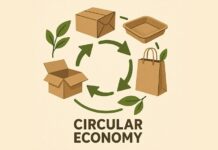
Bio-based films enable circular economy approaches through biodegradability, compostability, and potential for biological recycling that convert waste materials into valuable resources rather than persistent environmental contaminants. Industrial composting systems can process bio-based films along with organic waste to produce high-quality compost that supports agricultural productivity while diverting materials from landfills and incineration.
Anaerobic digestion processes can convert bio-based films into biogas and digestate, providing renewable energy generation and soil amendment products that create additional value from packaging waste. These biological recycling approaches offer alternatives to mechanical recycling systems that may be unsuitable for contaminated or multi-layer packaging materials. The integration of bio-based films with organic waste processing infrastructure creates synergistic benefits for waste management systems.
Closed-loop material flows can be achieved through the use of agricultural residues for bio-based film production followed by composting or anaerobic digestion that returns nutrients to agricultural systems. These circular approaches minimize resource consumption while supporting regenerative agricultural practices that improve soil health and carbon sequestration. The development of local and regional bio-based film production systems can further enhance circular economy benefits while reducing transportation impacts and supporting rural economic development.
Resource Efficiency and Land Use Considerations
Resource efficiency analysis of bio-based films considers feedstock requirements, land use impacts, and competition with food production that may influence sustainability assessments and policy decisions. Agricultural residue utilization provides optimal resource efficiency by converting waste materials into valuable packaging products without requiring additional land or competing with food production. Crop residues including wheat straw, corn stalks, and rice hulls represent abundant feedstock sources that can support large-scale bio-based film production.
Dedicated energy crop production for bio-based films requires careful analysis of land use impacts and sustainability trade-offs compared to food production and conservation alternatives. Second-generation feedstocks including perennial grasses and woody biomass grown on marginal lands can provide sustainable feedstock sources without competing with food production while providing ecosystem services including carbon sequestration and soil conservation.
Water consumption and quality impacts represent important sustainability considerations for bio-based film production, particularly for crops requiring irrigation or processing operations involving water-intensive separation and purification steps. Water recycling and treatment technologies can minimize freshwater consumption while preventing pollution of surface and groundwater resources. These water management strategies are essential for sustainable bio-based film production in water-stressed regions.
Manufacturing Technologies and Scale-Up Challenges
Processing Technologies and Equipment Requirements
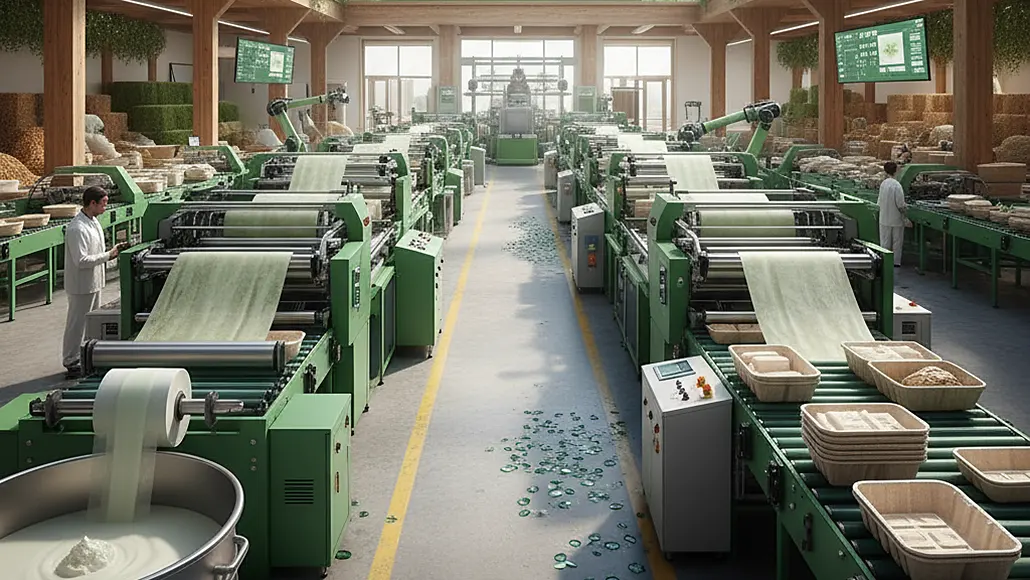
Bio-based film manufacturing utilizes diverse processing technologies including solution casting, extrusion, blown film, and compression molding that require optimization for specific bio-based materials and performance requirements. Solvent casting processes provide excellent film quality and property control but may involve volatile organic compound emissions and recovery requirements that influence environmental profiles and processing costs. Water-based casting systems offer environmental advantages while requiring careful moisture management and drying optimization.
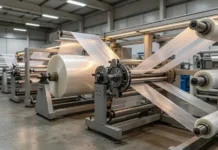
Extrusion processes represent the most scalable manufacturing approach for bio-based films, utilizing conventional plastic processing equipment with modifications for temperature sensitivity and thermal degradation prevention. Blown film extrusion enables production of seamless tubular films suitable for bag and wrapping applications while providing excellent property uniformity and production efficiency. Single-screw and twin-screw extruder configurations offer different advantages for various bio-based materials and processing requirements.
Processing optimization requirements include temperature control, residence time management, and additive incorporation strategies that prevent thermal degradation while achieving desired film properties. Bio-based materials often demonstrate narrower processing windows compared to conventional plastics, requiring precise control systems and monitoring capabilities. Advanced process control technologies including real-time quality monitoring and feedback systems enable consistent production of high-quality bio-based films at commercial scales.
Scale-Up Economics and Cost Competitiveness
Economic viability of bio-based films depends on feedstock costs, processing efficiency, and market pricing compared to conventional plastic alternatives. Current production costs for bio-based films typically exceed conventional plastic films by 20-100% depending on material type and production scale, creating challenges for market adoption in price-sensitive applications. Economy of scale effects and processing optimization can reduce production costs while technology advancement and market development drive cost reductions over time.
Feedstock cost management represents a critical factor in bio-based film economics, with agricultural residue utilization providing cost advantages compared to food-grade feedstocks or dedicated energy crops. Vertical integration strategies that combine feedstock production, processing, and film manufacturing can optimize costs while ensuring reliable supply chains. Contract farming arrangements and cooperative structures can provide feedstock security while supporting rural economic development.
Investment requirements for bio-based film manufacturing include specialized processing equipment, quality control systems, and environmental compliance infrastructure that may exceed conventional plastic film production costs. Government incentives, subsidies, and tax credits can improve project economics while supporting technology development and market entry. These policy support mechanisms are essential for establishing competitive bio-based film manufacturing capabilities while technology costs decline through learning curve effects.
Market Applications and Industry Adoption
Food and Beverage Packaging Applications
Food and beverage applications represent the largest and most developed market segment for bio based films in packaging, driven by consumer demand for sustainable packaging and regulatory support for compostable materials. Fresh produce packaging utilizes bio-based films for modified atmosphere applications that extend shelf life while providing end-of-life benefits through composting with organic waste. Transparent PLA films excel in applications requiring product visibility while maintaining freshness and quality.
Bakery and confectionery applications benefit from the excellent clarity, printability, and heat-sealing properties of bio-based films while providing compostable disposal options that align with clean label positioning. Bread bags, cookie wrappers, and candy packaging demonstrate successful commercial applications where bio-based films provide performance advantages combined with environmental benefits. These applications often command premium pricing that supports bio-based film cost premiums.
Beverage packaging applications include bio-based films for multipacks, labels, and secondary packaging that reduce overall package environmental impact while maintaining brand appeal and consumer convenience. Shrink films and stretch wraps produced from bio-based materials provide effective packaging solutions while supporting corporate sustainability commitments. The integration of bio-based films with other sustainable packaging materials creates comprehensive packaging systems with minimized environmental impact.
Personal Care and Cosmetic Applications
Personal care and cosmetic packaging applications increasingly utilize bio based films in packaging for primary packaging applications including pouches, tubes, and flexible containers that directly contact products. Bio-based films provide excellent barrier properties for creams, lotions, and liquid products while offering biodegradable end-of-life options that appeal to environmentally conscious consumers. The premium positioning of many personal care products supports the cost premiums associated with bio-based packaging materials.
Cosmetic packaging applications benefit from the aesthetic properties of bio-based films including clarity, printability, and tactile characteristics that enhance product appeal while supporting sustainability marketing messages. Bio-based films can be produced with various surface finishes and optical properties that create distinctive packaging appearances while maintaining functional performance. These aesthetic advantages enable brand differentiation while supporting premium product positioning.
Single-use applications including facial mask packaging, sample sachets, and disposable applicators represent growing opportunities for bio-based films where biodegradability provides clear environmental advantages over conventional alternatives. These applications often involve direct disposal in various environments where biodegradability prevents persistent contamination while maintaining convenience and hygiene benefits. The combination of performance and environmental benefits creates compelling value propositions for bio-based film adoption.
Innovation Trends and Future Developments
Advanced Material Technologies
Next-generation bio-based film technologies focus on property enhancement through molecular design, nanocomposite formation, and hybrid material development that address current performance limitations while maintaining environmental benefits. Nanocellulose incorporation provides mechanical reinforcement and barrier enhancement while maintaining biodegradability and renewable content characteristics. These nanocomposite approaches enable property customization for demanding applications while utilizing abundant cellulosic feedstocks.
Protein engineering and modification technologies enable the development of bio-based films with tailored properties including enhanced barrier performance, improved water resistance, and functional activities such as antimicrobial and antioxidant effects. Genetic engineering approaches can optimize protein composition and structure for film formation while bioprocessing techniques enable efficient production and purification. These biotechnology approaches create opportunities for high-performance bio-based films with unique functional characteristics.
Smart packaging functionalities including color-changing indicators, temperature sensors, and freshness monitors can be integrated into bio-based films through incorporation of natural pigments, enzymes, and responsive materials. These intelligent packaging features provide consumer information while maintaining biodegradability and natural product appeal. The combination of sustainability and functionality creates differentiated products that command premium pricing while providing enhanced consumer value.
Processing Innovation and Manufacturing Efficiency
Advanced processing technologies including reactive extrusion, in-line modification, and continuous compounding enable efficient production of bio-based films with enhanced properties and reduced costs. Reactive processing approaches allow chemical modification and crosslinking during film formation, eliminating separate processing steps while improving property development. These integrated processing technologies reduce manufacturing complexity while enabling property customization for specific applications.
Additive manufacturing and 3D printing technologies create opportunities for customized bio-based film production including complex geometries, variable thickness profiles, and integrated functional features. These digital manufacturing approaches enable on-demand production while reducing inventory requirements and enabling mass customization capabilities. The combination of bio-based materials with advanced manufacturing technologies creates new possibilities for sustainable packaging innovation.
Continuous processing technologies including roll-to-roll manufacturing and in-line converting enable efficient production of bio-based films with integrated converting operations including printing, laminating, and forming. These continuous processes reduce handling requirements while improving production efficiency and quality consistency. Advanced process control and quality monitoring technologies ensure consistent performance while enabling real-time optimization and waste reduction.
Regulatory Landscape and Market Drivers
Policy Support and Regulatory Frameworks
Government policies increasingly support bio-based film development through research funding, tax incentives, and procurement preferences that accelerate technology development and market adoption. Renewable energy mandates and carbon pricing mechanisms create economic advantages for bio-based films while plastic waste regulations drive demand for biodegradable alternatives. Extended producer responsibility requirements incentivize packaging design that minimizes environmental impact while supporting end-of-life management.
International trade agreements and harmonized standards facilitate global market development for bio-based films while ensuring consistent quality and performance requirements. Mutual recognition of certification programs and testing protocols reduces technical barriers while supporting technology transfer and market expansion. These regulatory harmonization efforts are essential for developing global markets that support investment in bio-based film manufacturing capabilities.
Labeling requirements and environmental claims regulations ensure accurate communication of bio-based film benefits while preventing misleading marketing practices. Clear definitions of biodegradability, compostability, and bio-based content enable informed consumer choices while supporting market development. Standardized testing protocols and certification programs provide credible verification of environmental claims while building consumer confidence in bio-based packaging solutions.
Consumer Demand and Market Trends
Consumer preference for sustainable packaging continues to drive demand for bio based films in packaging across diverse product categories and market segments. Millennials and Gen Z consumers demonstrate willingness to pay premiums for environmentally responsible packaging while actively seeking products that align with their environmental values. This demographic trend creates sustained demand for bio-based packaging solutions while supporting premium pricing strategies that offset higher production costs.
Corporate sustainability commitments increasingly include packaging goals that drive adoption of bio-based films while supporting supply chain sustainability initiatives. Brand owners seek packaging solutions that reduce environmental impact while maintaining product protection and consumer appeal. These corporate initiatives create stable demand for bio-based films while supporting long-term supply chain relationships and investment in production capabilities.
E-commerce growth creates new opportunities for bio-based films in shipping envelopes, protective packaging, and void fill applications where biodegradability provides disposal convenience while supporting online retailers’ sustainability commitments. The combination of convenience and environmental benefits creates compelling value propositions for bio-based packaging in digital commerce applications. These emerging applications represent significant growth opportunities for bio-based film manufacturers while supporting circular economy objectives.
The transformation of primary packaging through bio-based film technologies represents a fundamental shift toward sustainable materials that provide environmental benefits while maintaining essential functionality and performance characteristics. Bio based films in packaging offer compelling solutions for addressing plastic waste concerns while supporting circular economy objectives and renewable resource utilization. The continued development of advanced bio-based materials, processing technologies, and market applications will accelerate adoption while reducing costs and improving performance.
Organizations that invest in bio-based film technologies today will establish competitive advantages through reduced environmental impact, enhanced brand positioning, and alignment with consumer preferences and regulatory requirements. The convergence of technology advancement, policy support, and market demand creates unprecedented opportunities for bio-based films to transform packaging industries while contributing to environmental sustainability and economic development objectives in the years ahead.